
Kids are moving less. California is doing little to track student fitness | Opinion
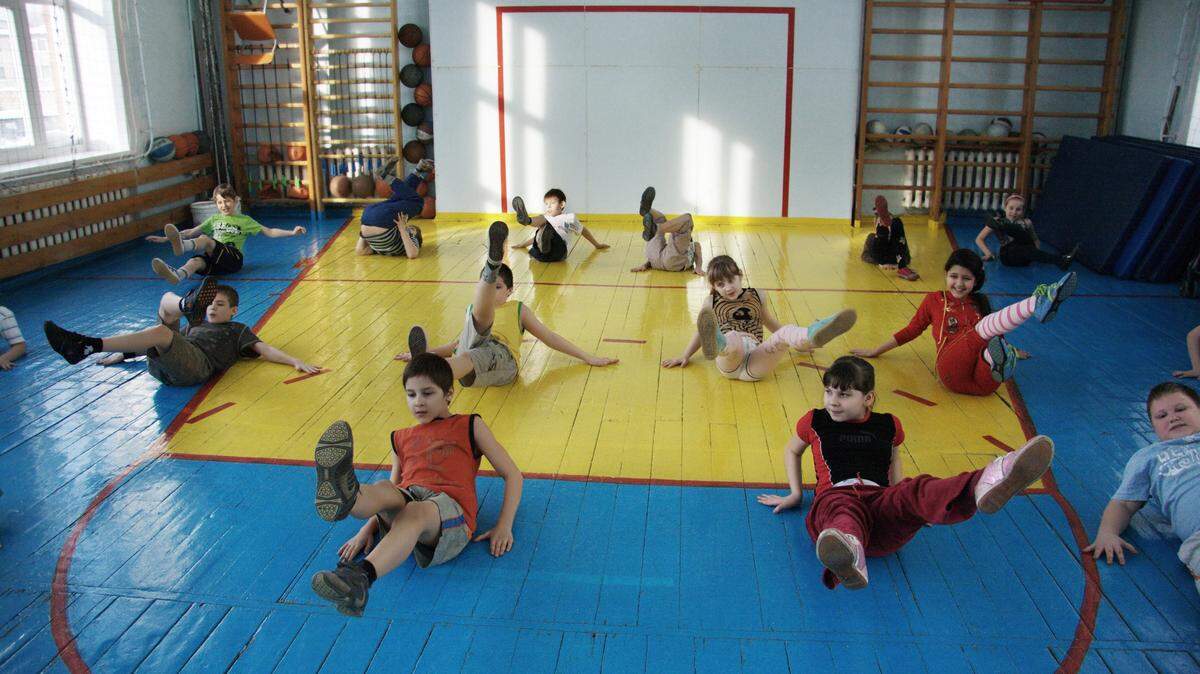
California’s children are moving less, and our state is doing even less to track and address it. For over two decades, the state’s physical fitness test — known as the Fitnessgram — offered the only statewide snapshot of the health of California’s nearly 6 million public school students. Developed by the Cooper Institute and also used in Texas and New York City, it’s a comprehensive, health-focused set of assessments designed to encourage lifelong activity and help districts, researchers and public health agencies monitor trends in obesity, diabetes and fitness. The data informed funding decisions, equity strategies and program design. In March 2020, amid the pandemic, the state placed a moratorium on testing, citing the strain on students and schools. In 2022, the State Board of Education — responding to concerns about body mass index (BMI) testing — convened an expert panel to develop a new approach. That group’s 2023 report recommended creating a program that measures physical performance, is equitable and aligns with state standards. While fitness testing resumed in schools, districts were now only required to report participation rates — not actual results — to the state. In October of 2024, as chair of the Senate Education Committee, I joined a bipartisan group of legislators urging the governor and state superintendent to update us on when full data collection would return. We asked for urgency, transparency and collaboration. The state’s response was silence, followed months later by a letter saying a new framework was “underway” but would take “several years” and require additional legislative funding. In the meantime, there was no data, no interim measures and no engagement with researchers or educators.
This is more than a bureaucratic lapse — it’s a looming public health failure. The longer California delays, the harder it will be to reverse the troubling health trends shaping our kids’ futures. Ironically, while California stalls, the Trump Administration is moving. In July, President Donald Trump issued an executive order reinstating the Presidential Fitness Test, a decades-old national benchmark for youth health, alongside reviving the President’s Council on Sports, Fitness & Nutrition.
While the goal of fighting childhood obesity and inactivity is laudable, the old test was deeply flawed. It prioritized athletic performance over holistic health, excluded students with disabilities, ignored long-term fitness habits and often left struggling kids humiliated. Those problems led to its replacement in 2013 with programs like the Fitnessgram, which focus on personal progress and lifelong activity.
California should not sit idle or revert to outdated models.
We must restore data collection now — using inclusive, non-BMI metrics — so we can monitor student fitness while the new system is developed, and fast-track the new Physical Performance Test with input from experts in education, public health and child development.
We must engage all stakeholders — from educators to pediatricians, mental health professionals and families — to ensure the new approach promotes health without harm.
And, finally, we must publish annual reports on student access to physical activity and fitness outcomes, with special attention to underserved communities.
California has long been a leader in education innovation. We must lead again by making student health a top priority. Researchers across the UC system and beyond are ready to help. What’s missing is political will. This is not just about gym class, it’s about prevention, equity and accountability. It’s about ensuring that every child — regardless of zip code — has access to movement, wellness and the lifelong benefits of physical activity.
If we act now, we can set our children on a healthier, more active path for life. If we wait, we risk losing yet another generation to preventable health problems.
Josh Newman is a senior fellow at UC Irvine’s School of Social Ecology and a former California State Senator, where he served as chair of the Senate Committee on Education.
This story was originally published August 23, 2025 at 5:00 AM with the headline "Kids are moving less. California is doing little to track student fitness | Opinion."