
California’s water management system needs balanced solutions, not politics | Opinion
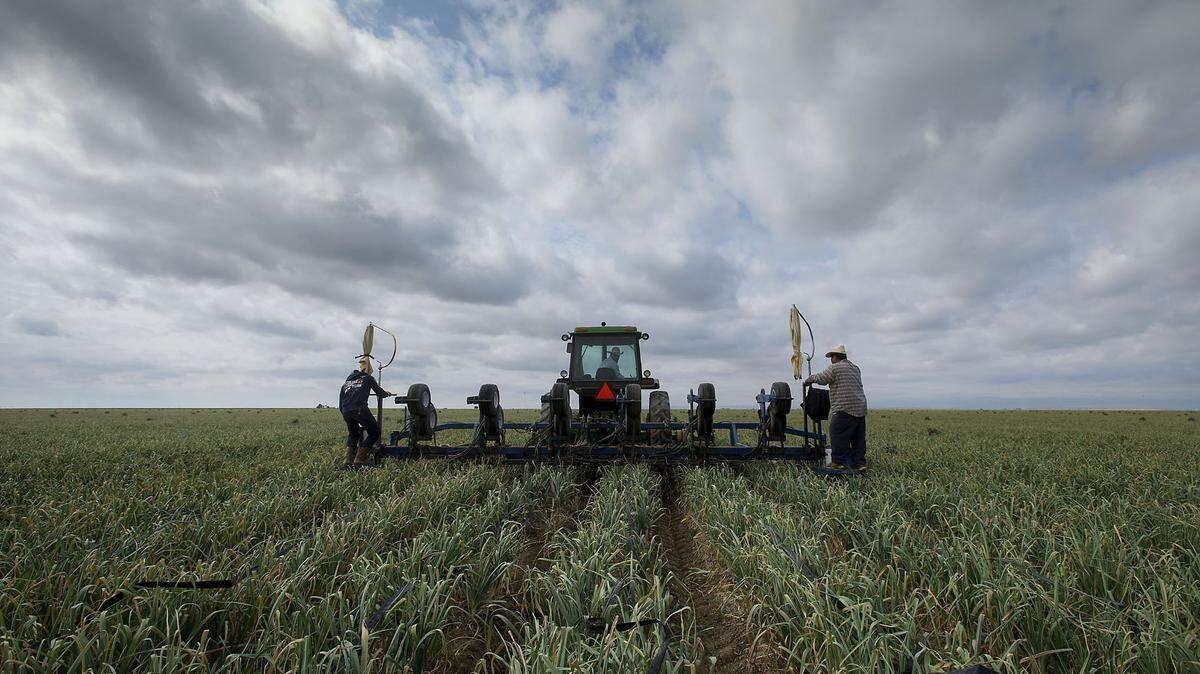
In these turbulent times, nearly every issue gets filtered through a political lens, where real solutions are often sidelined in favor of scoring political points. When it comes to managing our state’s water supplies, this dynamic is unfortunately all too common.
We do, however, have essential truths: Water is essential to life, and how we manage this resource is one of the most crucial responsibilities we bear, so we must get this right.
California’s water management system is complicated, and its surrounding political landscape can be treacherous. Yes, fish need water. But people do, too. We must balance the needs of people and our farmlands while also supporting healthy ecosystems. This fundamental truth must remain at the core of the policies and solutions we enact. We must not approach this with an us-against-them mentality or we will continue to fail.
It’s a fact that fish populations have declined, and so has farmland. Hundreds of thousands of acres of productive farmland are fallowed due to unpredictable water supply. In California, policies and actions have pushed the pendulum too far in one direction — as a consequence, people and the environment suffer. We must do better. A return to balance cannot be a choice between people and our environment. Rather, it is about being more exacting and intentional in how we spend every drop of water we have.
To succeed, all options must be on the table. Regulatory outcomes that prevent modest amounts of water diversion as huge flows are heading out to sea as people suffer must stop. It’s time for a holistic approach that doesn’t use water as the only tool to solve habitat threats. Current management practices ignore factors that are threatening fish, such as highly-efficient invasive predators, degraded habitat and reduced food availability. Flushing water doesn’t solve those problems.
If we’re serious about having enough water in California, then our commitment to infrastructure must finally meet our needs. A century ago, our nation and state had a vision for building federal and state water infrastructure that would build California into the fifth largest economy in the world. But we haven’t made any substantial investments in infrastructure since the 1970s, even though California’s population has doubled.
Here’s what we can do:
Let’s get serious about evaluating raising Shasta Dam. Water stored behind Shasta Dam provides cold water that fish populations need and is also critical for providing water to people when it’s most needed. We must evaluate changes to managing Shasta Dam, including potentially raising it to provide more cold water for fish, providing a pathway for fish to migrate around the dam and helping restore once native fish populations upstream of Shasta Dam as an experimental population.
We should also make investments for ourselves, our children and our grandchildren in projects like San Luis Reservoir expansion in the San Joaquin Valley, Sites Reservoir in the Sacramento Valley and canal conveyance so that California continues to have a strong economy. These projects have the potential to help residents and fish and provide a pathway for responsible water management.
The pendulum can swing back by adding new supplies at a rate equal to our conservation; increasing cold water storage to satisfy fishery temperature requirements; using best practices in developing non-flow habitat improvements; and reducing other threats to species.
Westlands Water District is the largest agricultural water district in the nation, serving hundreds of family farmers over 1,000 square miles of some of the most fertile farmland on Earth. We feed America, and that’s why California water management isn’t just a state issue; it’s a national issue. Our growers have consistently embraced change and are acknowledged industry leaders in efficient water use.
We track and measure every drop of water that comes into and is used in our district to ensure its most efficient use. We’ve adopted groundwater sustainability measures that will protect our groundwater for future generations while pursuing an orderly diversification of land uses, like solar power.
We are committed to enabling farmers to feed our country from the fertile soil of the Central Valley and preserving the environment we enjoy. But continuing to manage our water in the same way we have will only perpetuate the challenges we face today.
This story was originally published March 4, 2025 at 5:00 AM with the headline "California’s water management system needs balanced solutions, not politics | Opinion."