
California isn’t planning a natural gas phaseout. Your bills could increase nine-fold | Opinion
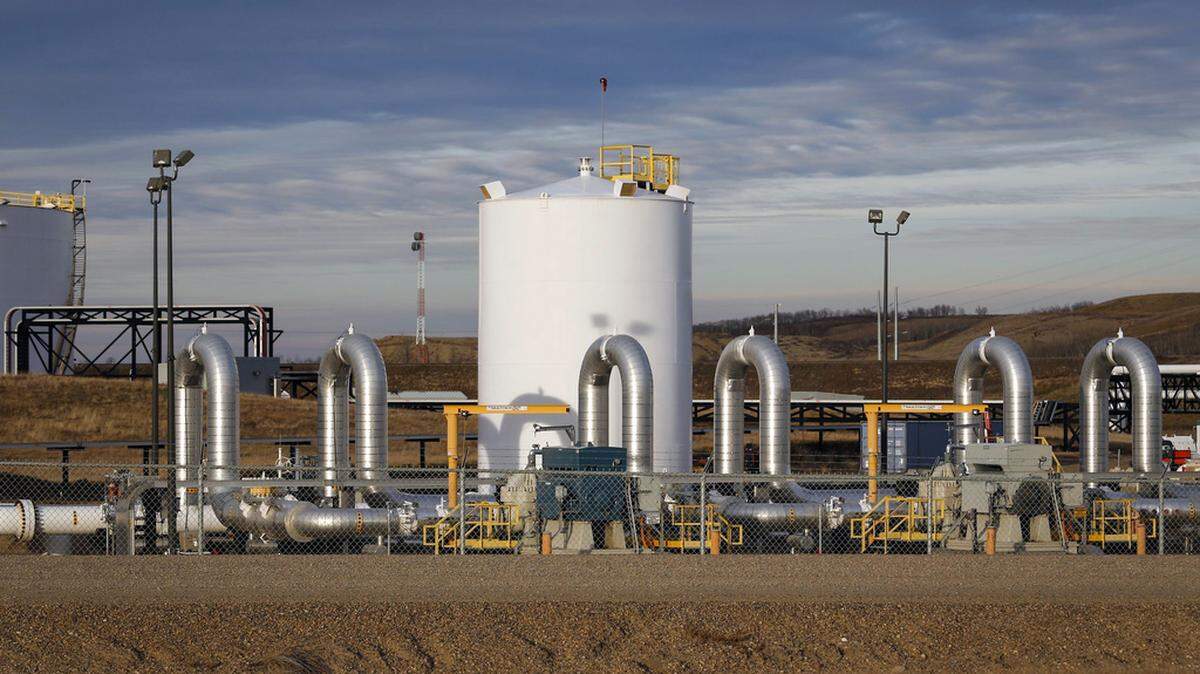
Gas utilities, many of which are for-profit monopolies that make money on capital projects, are pouring unprecedented sums into replacing aging gas pipelines. At the same time, consumers are improving homes with cleaner, highly efficient electric appliances that don’t use gas, aided by programs and rules meant to help them upgrade.
This contradictory approach could lead to a staggering 900% increase in bills by 2050 for Californians remaining on gas, as a shrinking pool of customers pays for under-used pipelines. California’s Public Utilities Commission launched its Long-Term Gas Planning Proceeding in 2020 to find proactive solutions to this very problem but four years later, they have little to show for it. Unless regulators and lawmakers turn things around, lower-income Californians will be left holding the bag.
Rather than building more and more gas pipelines, we need to accelerate the transition to electricity, including pilot projects, so we can wean ourselves off this fuel as a state as quickly as possible.
We must stop digging a deeper hole. That means stopping gas pipeline replacements when there are better alternatives. Money that would have been spent on replacements can be re-routed to modernize homes in neighborhoods that would have been serviced by new pipelines. State-of-the-art electric equipment, like heat pumps and heat pump hot water heaters, eliminate the need for gas in the first place, saving money and improving indoor air quality for the families that use them.
A recent study shows investing in modernization instead of pipelines could save Californians over $20 billion by 2045 (about $32,000 per gas customer). As heat waves become more severe and frequent, and with close to half of Californians lacking access to home cooling and millions more stuck with inefficient air conditioning, boosting access to the most energy-efficient cooling technology on the market will be a game changer.
Electric appliances like heat pumps are also far healthier. Gas appliances in California homes are responsible for four times more nitrogen-oxide — a key component of smog — than power plants. Upgrading from gas to electric reduces exposure to the particulate matter that causes asthma and to carcinogens that cause cancer.
The legislature is currently considering Senate Bill 1221, sponsored by Sen. Dave Min, D-Irvine. It would invest in pilot projects to prove that modernizing homes instead of building new pipelines is the better approach.
Lawmakers should pass SB 1221, but it’s not all on the legislature. California’s Public Utilities Commission, on which I served, lags behind other states’ regulators. Last year, Massachusetts officials decided to stop business-as-usual pipeline spending and unsustainable rate hikes. Their decision laid out a plan to decommission gas pipelines as the state pursues a cleaner system that’s safe, reliable and affordable for all.
The commission needs to articulate a similarly clear vision, complete with steps and timelines to help gas utilities and customers plan for a managed shift to superior technology.
We stand at a crossroads. With a gas affordability crisis staring us in the face, policymakers must redirect funding from costly, outdated gas pipelines to cleaner, more affordable alternatives. Our wallets, health and future depend on it.
This story was originally published August 16, 2024 at 6:00 AM with the headline "California isn’t planning a natural gas phaseout. Your bills could increase nine-fold | Opinion."