
‘A national hero.’ Navy sailor swam through ‘shark-infested waters’ to rescue 24 crewmen
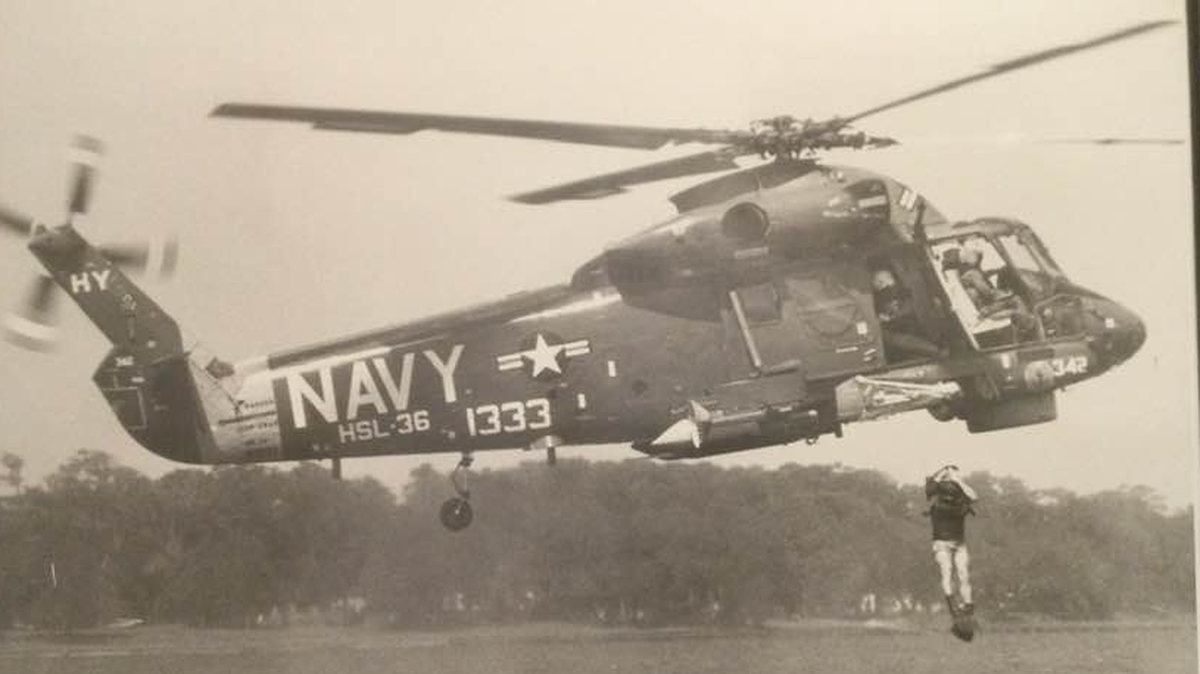
In the early 1980s, when I was young, lean and much stronger, I felt invincible. I certainly wasn’t, but I felt that way.
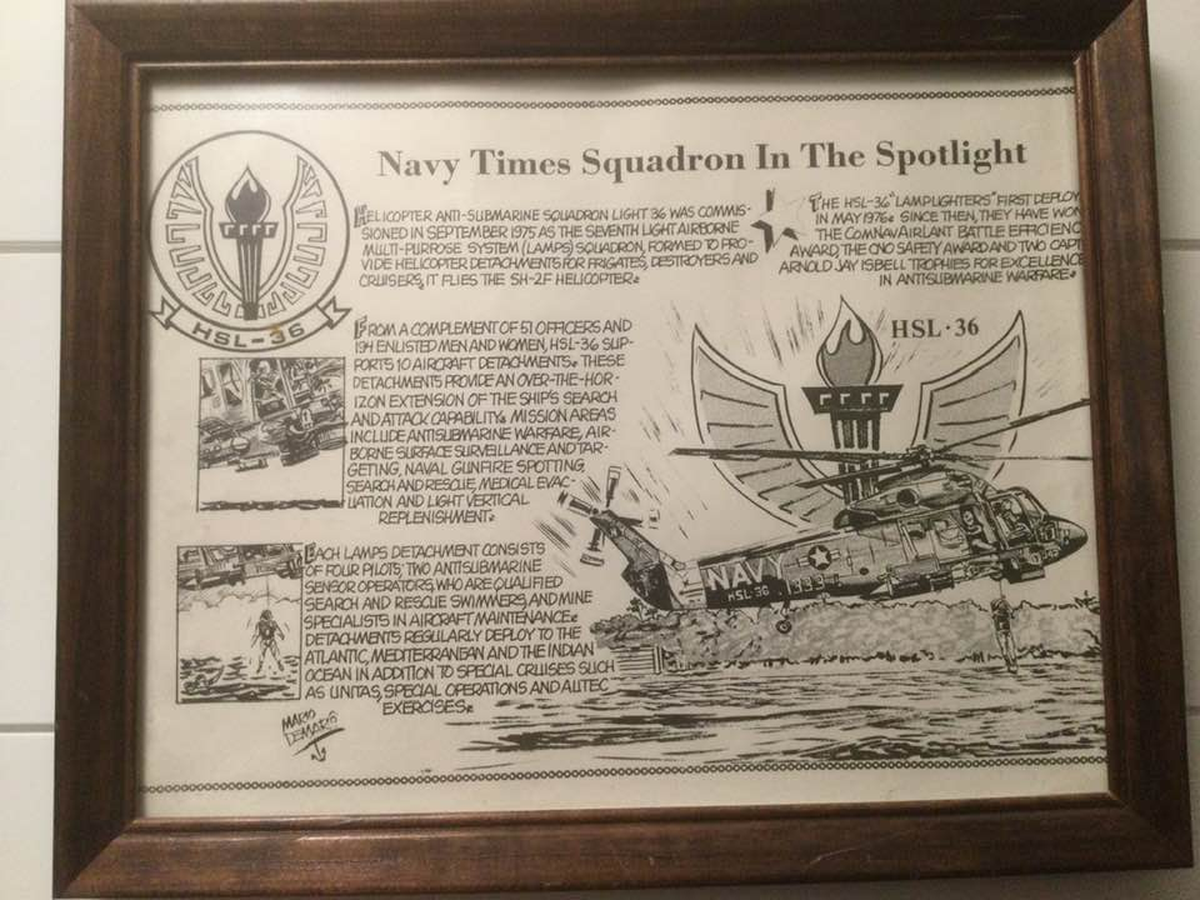
I was a U.S. Navy search and rescue (SAR) swimmer. We jumped from helicopters 10 to 40 feet above the ocean into the water to save lives.
There were two SAR schools in the early 1980s — one on the West Coast in San Diego and the other along the East Coast in Jacksonville, Florida.
I attended the Naval Air station Jacksonville SAR school in the middle of a hot and humid summer. The training was a physical and mental challenge that rocked you to your core.
With a “never quit” attitude, I was able to graduate.
I’ve learned firsthand that one of the most exhausting things you can possibly do is save someone from the water. Many potential rescuers have become victims themselves in the cold clutches of the sea.
I write this to shine a light on a feat of unmatched strength and resolve by Petty Officer First Class Charles Jackson French during World War II.
He was a Black U.S. Navy sailor from Foreman, Arkansas, who learned to swim in the Red River at age 8.
French first enlisted in the Navy in 1937. Immediately after the Japanese attack Pearl Harbor, French went to the closest recruitment office and signed up for a second tour of duty.
According to a story by Bruce Wigo, French “swam through shark-infested waters towing to safety a raft load of wounded seamen from the USS Gregory, sunk by Japanese naval gunfire near Guadalcanal.
“Ensign Adrian was the only one on the bridge to survive and floated over into the water as the ship sank below him.
“Hearing voices, he found a life raft filled with 24 wounded men; though superficially wounded, he was able to hang on.
“‘I knew that we’d be taken as prisoners of war if we floated ashore,’ he said.
Then French volunteered to swim the raft away from shore. He stripped off his clothes and asked for help to tie a rope around his waist and tow them to safety.
“Adrian told him it was impossible – that he would only be giving himself up to the sharks that surrounded them. French responded that he was not afraid.
“He was a powerful swimmer and swam all night, 6 to 8 hours until they were eventually saved by a landing craft.”
If you were taken prisoner of war in the Pacific theater during World War II, your chances of survival were low.
In 1945, at the end of the war, the USS Indianapolis was torpedoed by a Japanese submarine.
Of a crew of 1,196 sailors and marines, 300 went down with their ship.
Only 316 were rescued after nearly four days in the ocean. Many died from dehydration, exposure, saltwater poisoning and shark attacks – in what is believed to be the deadliest attack by the marine predators.
French became a national hero, and he made public appearances across the country to promote the sale of war bonds. He was called the Human Tugboat.
French was later inducted into the International Swimming Hall of Fame. “Not many can say they pulled a raft full of 24 injured sailors through a shark-infested ocean at night and away from Japanese capture,” his fellow sailors said.
Another hero with ties closer to home is Rory McDermott, who graduated from Cal Poly with a degree in electrical engineering.
He is currently a PG&E electric distribution engineer in San Luis Obispo.
Last winter, McDermott noticed a young woman in distress at the 6th Jetty between the Ventura Pier and Harbor where he was surfing.
During winter, a strong southerly flowing current often develops along that part of the coastline due to the predominant northwesterly swell. The water is bunched up against the north-facing side of the jetty and forced out to sea like a rip current.
The woman was struggling and trying to swim against the current as she attempted to get to the beach.
McDermott approached her on his surfboard and asked if she needed help. She was so tired that she could barely speak but indicated that she needed help.
McDermott helped her get on his board and swam perpendicular to the current, pulling the board with the leash on his ankle.
At one moment, the board became much heavier. The woman had passed out, and her head was underwater.
McDermott returned her to a better position and noticed that she displayed the additional drowning symptom of foaming at the mouth.
With enormous physical effort, an exhausted McDermott made it back to shore where his surfing companions, his brother Max and his friend Davis Ulrich, called 911 and helped to get the woman on the beach. She had a pulse and was quickly put into an ambulance by first responders.
Without McDermott’s intervention, it is very likely the swimmer would have drowned. His heroic efforts saved a life in his community.
Memorial Day ceremony in Cayucos
There are meaningful Memorial Day observances planned throughout the Central Coast on Monday.
One is the Lost at Sea Memorial at the Cayucos Pier. We will gather at the base of the pier at 3 p.m. for a brief service and walk together over the Pacific Ocean and remember those who never returned.