
Kelp forests are dying along Northern California coast. Could that happen in SLO County?
Last week, I received a letter from Michael Harkness.
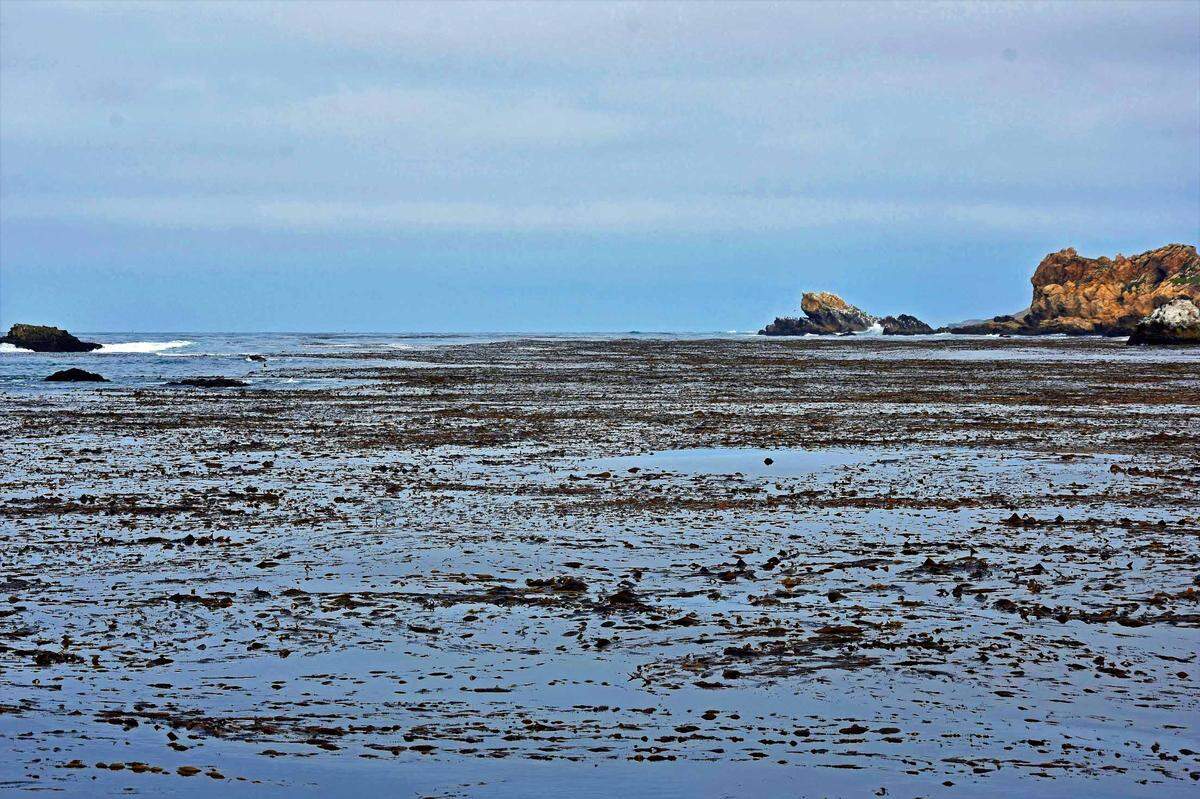
“I have been surfing and kiteboarding at the Pico Creek river mouth at San Simeon for 15 years,” Harkness wrote. “There has always been a thick kelp bed about 1/4 mile offshore that runs parallel to the beach for a long distance. Even during storm surges, when the kelp would break loose and end up in piles 2 to 3 feet deep on the beach, there was still a huge kelp forest in place offshore. About four months ago, the kelp entirely disappeared. Completely gone, and no evidence of new growth. It was so sudden that I initially thought it had been harvested because there was nothing on the beach. Is this part of the die-off I have been reading about further up the coast? Or urchins establishing a new feeding area?”
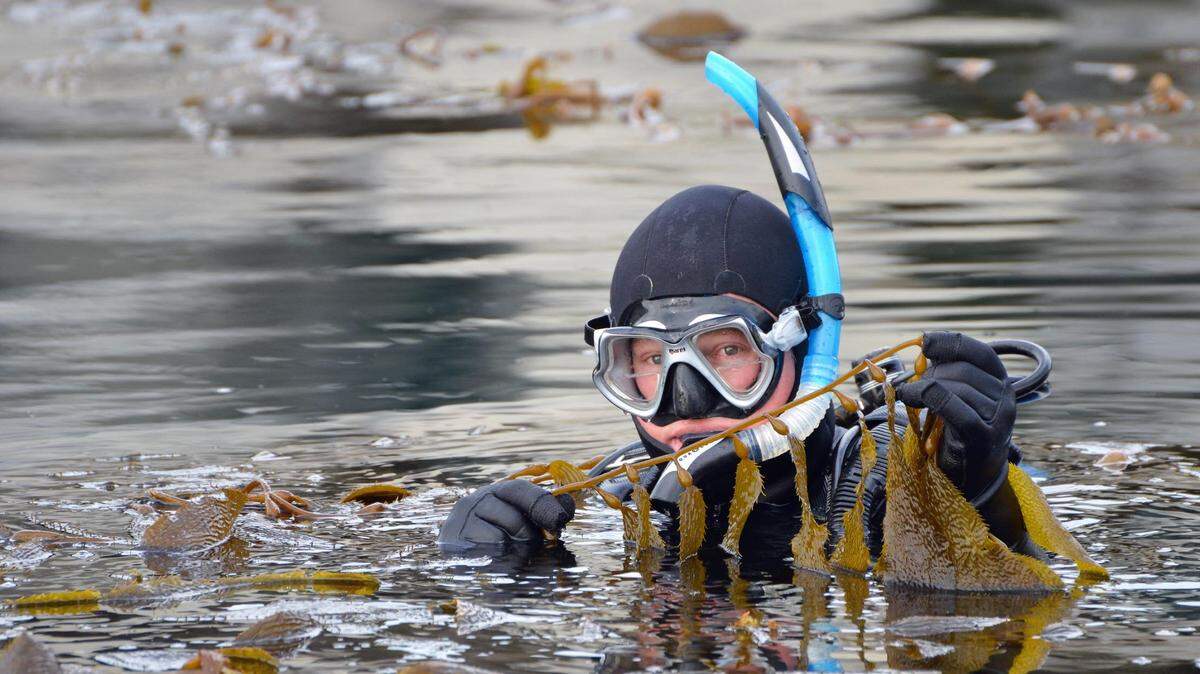
There has been a massive die-off of the kelp forests along the Northern California coastline, mainly comprised of bull kelp (Nereocystis leutkeana). Both bull kelp and giant kelp (Macrocystis pyrifera) are common along the Central Coast.
These kelps form a leafy surface canopy in the nearshore along the coastline and provide habitat to numerous marine species. It has been widely reported this month that an analysis of satellite imagery by researchers from the University of California Santa Cruz found a decline in the kelp forests by an average of 95% since 2013 along the northern California coastline.
Why such a terrible decline since 2013? Marine biologists believe it is caused by numerous oceanographic and biological factors, such as warmer ocean temperatures, ocean acidification and higher-swell energy levels.
With that said, the main culprit is the purple sea urchin, and here is why.
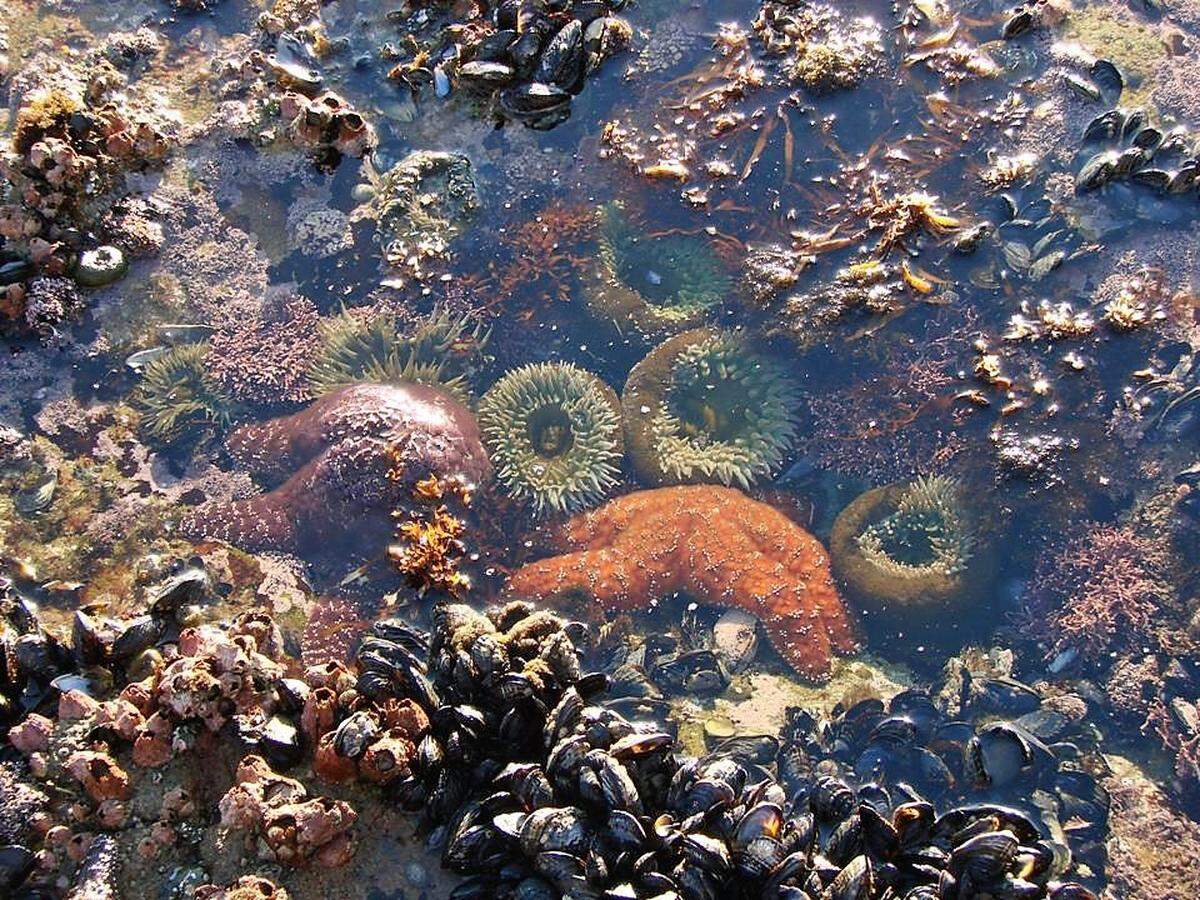
Overall, the sea star population along the California coastline suffered a severe decline from a wasting disease that started around 2013. This has allowed new purple urchins to populate the seafloor and existing urchins to venture from their self-drilled crevices in the rocky subtidal without the threat of being eaten by sea stars.
Unfortunately, these tangerine-sized, deep-purple-colored invertebrates covered by needle-sharp spines have a vast appetite for kelp. They will graze and clear-cut green, red and brown varieties of seaweed and any other types of algae, creating vast urchin barrens where hardly anything grows on the rocky reefs.
I spoke to marine biologist Scott Kimura of Tenera Environmental, who knows more about kelp along the California coastline than anyone I know.
He told me that kelp beds change in size and location from year to year. However, many beds are “persistent,” meaning they’re always there.
The kelp bed that Harkness describes sounds like it’s definitely a persistent one and may have suffered the same fate as the kelp forest up north.
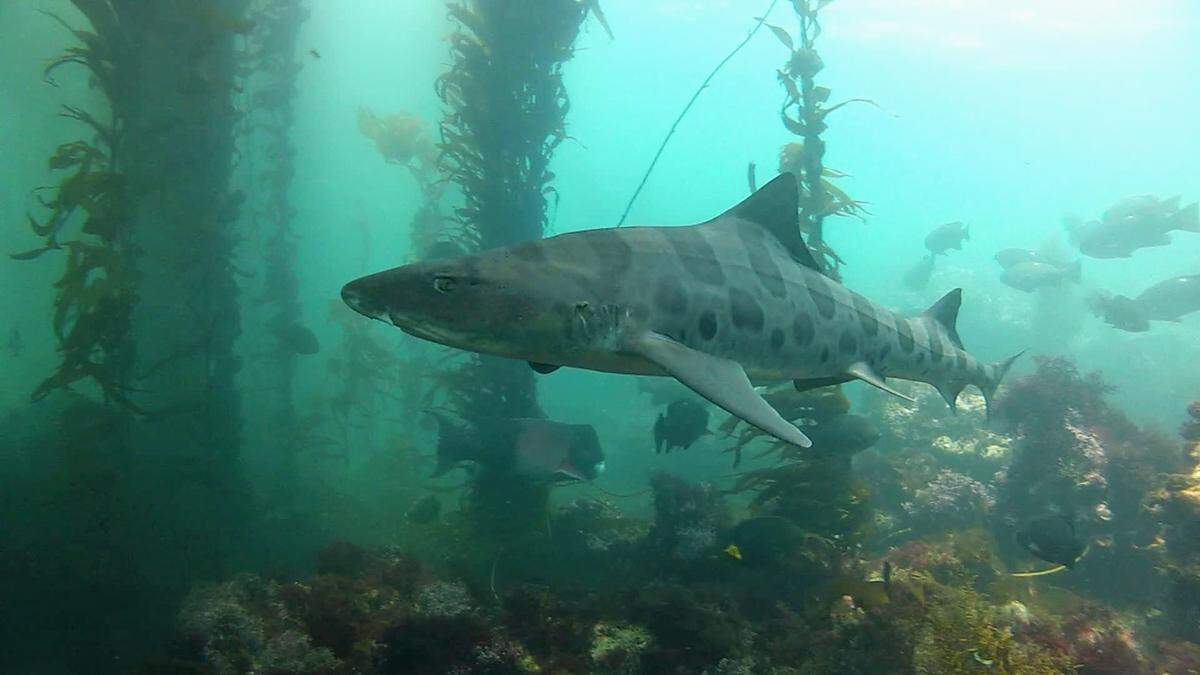
Along the Central Coast, biologists have reported healthy kelp forests but also the presence of a few urchin barrens.
We have not seen the same near-complete collapse of the kelp forest along the Central Coast, as in northern California, although this is not to say that it will not happen here.
One may believe that urchins will never overgraze our kelp because of the presence of the southern sea otter, whose current range from Pigeon Point to the north extends south through San Luis Obispo County and down to Gaviota State Park in Santa Barbara County.
Mike Harris, a sea otter biologist with the California Department of Fish & Wildlife, told me, “There are some areas along the Central Coast within the sea otter range where kelp beds have in fact been reduced and large urchin barrens are present. Most of these known areas are along the greater Monterey Peninsula.”
“There are groups working to study and mitigate the impacts of these urchin barrens in the Monterey Bay area,” Harris continued. “There may be other areas along the Central Coast experiencing similar dynamics, but the monitoring isn’t in place to identify the full extent.”
Sea otters are typically considered to be voracious predators that eat urchins and other invertebrates such as mollusks and crabs.
However, once urchins have created a barrens area, they may be left to starve for the lack of anything to eat, like kelp.
Remarkably, research published in the Journal of Experimental Marine Biology and Ecology found that starving urchins can resort to cannibalism in an aquaculture setting. In other words, these herbivores can become carnivores.
A research diver told me he has seen urchins in the barrens consuming each other off northern California. In fact, some call them “zombie urchins.”
Overall, in the urchin barrens, these starving urchins can have very little nutritional value. This may explain how urchins, after having created localized barren areas along our local coastline, can coexist with sea otters, as sea otters may neglect to eat them.
Over the years, warm water events that may be a contributing factor in causing sea star wasting disease have become more common along the California coast Take “the blob,” a warm water event that started in 2013 followed in October 2015 when seawater temperatures reached 67 degrees Fahrenheit along the Pecho Coast during a very strong El Niño event.
Scripps Institution of Oceanography scientists reported all-time high seawater temperatures on consecutive days in August 2018, measuring water temps of 79.2 degrees at the end of the Scripps Pier — the warmest recorded since 1916 when seawater temperature recording began there.
At the same time, numerous Coastal Data Information Program (CDIP) waverider buoys in the Southern California Bight smashed their all-time seawater temperature records.
The Scripps Nearshore reached 81.3 degrees Fahrenheit, breaking the old record 80.4 degrees set during the very strong El Niño event of 2015. The Torrey Pines waverider buoy also hit 81.3, while the Mission Bay buoy reported 79.9 degrees.
As the oceans warm, Kimura told me, he is concerned.
“Due to the complexity of climate change on the marine ecosystem, long-term monitoring of the kelp beds is crucial,” Kimura said.
He told me that bull kelp is one of the most easily seen types of algae along our coastline. From a distance, the kelp can look like sea otters or harbor seals holding their heads above water.
Its southern range ends at Point Conception where water temperatures shift from cold to becoming warmer. As such, bull kelp could be the first noticeable species of kelp in our area that could be impacted by seawater temperature warming associated with climate change.
None of this is comforting for me, considering the enormous amount of greenhouse gases we keep pumping into our atmosphere.
PG&E provides COVID-19 aid
PG&E announced it will contribute $1.25 million in 2021 to nonprofit organizations assisting vulnerable individuals, families and communities, as well as small businesses, as they cope with the ongoing impacts of the COVID-19 pandemic. To learn more, please visit www.pgecurrents.com.
This story was originally published March 23, 2021 at 5:05 AM.