
Will the record heat wave continue? See this week’s weather forecast for SLO County
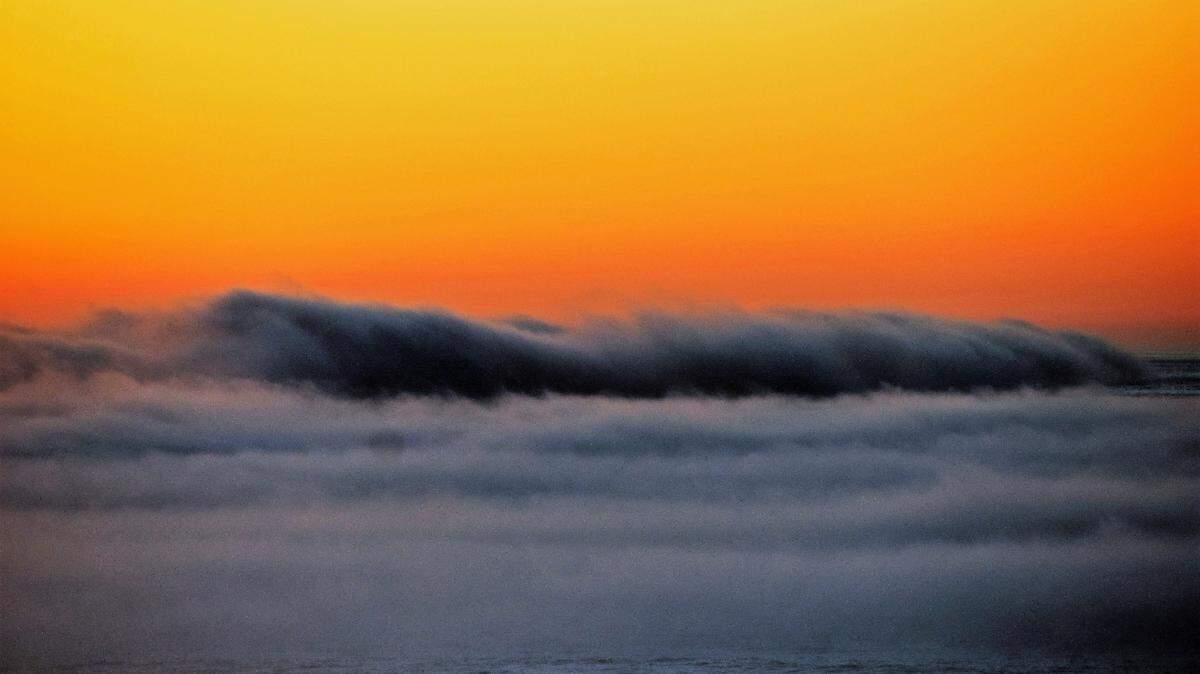
Intense high pressure aloft will produce an extended period of hot weather away from the ocean through mid-July, while the marine layer will keep the coastal regions much cooler with temperatures differences as much as 50 plus degrees between the beaches and inland areas.
The Central Coast will truly showcase its microclimates this week.
The record for the longest streak of days reaching 100 degrees or above at the Paso Robles Airport is 14, which occurred from July 8 through 21 in 1961 and could be broken this month.
However, subtropical moisture from former Hurricane Beryl could produce increasing mid-level clouds and a slight chance of showers and thunderstorms on Friday through next Sunday, decreasing maximum daytime temperatures and producing warmer overnight lows and higher humidity levels.
Near or record-breaking temperatures (110s) in the inland valleys (Paso Robles) will continue through Tuesday, decreasing to the low 100s on Wednesday through mid-July, while the coastal valleys (San Luis Obispo) will reach the mid to high 80s.
The beaches will remain largely overcast and cool on Sunday.
A thermal trough of low pressure over the Central Valley of California will produce persistent northwesterly winds that will continue to produce marine low clouds with pockets of fog and drizzle overnight into the morning. The northwesterly winds will increase to fresh to strong (19 to 31 mph) levels during the afternoon starting Monday and continuing through this week. These winds will help to mix out the temperature inversion layer, leaving behind most clear skies during the afternoon.
Temperatures along the beaches will reach the 60s, except for Cayucos, Avila Beach and Shell Beach, which will reach the mid-70s.
Surf report
A 4- to 6-foot northwesterly (310-degree deep-water) sea and swell (with a 5- to 8-second period) is forecast along our coastline on Sunday through next Saturday.
Combined with this northwesterly swell, will be 2- to 3-foot southern hemisphere (200-degree deep-water) swell (with a 14- to 16-second period) will continue to arrive along our coastline through Monday.
Surface seawater temperatures will range between the low to mid-50s through Saturday.
On this date in weather history (July 7)
1905: The mercury soared to 127 degrees at Parker, Arizona, to tie the state record established at Fort Mohave on June 15 in 1896.
1988: Thirty-eight cities in the north central and northeastern United States reported record-high temperatures for the date. Youngstown, Ohio, hit 100 degrees, and for the second day in a row, Flint, Michigan, reached 101 degrees, equaling all-time records for those two cities.
This week’s temperatures
LOWS AND HIGHS, PASO ROBLES
SUN | MON | TUE | WED | THU | FRI | SAT | SUN |
64, 112 | 63, 111 | 61, 110 | 60, 103 | 59, 102 | 62, 100 | 64, 98 | 65, 97 |
LOWS AND HIGHS, SAN LUIS OBISPO AND COASTAL VALLEYS
SUN | MON | TUE | WED | THU | FRI | SAT | SUN |
62, 88 | 62, 89 | 59, 87 | 59, 83 | 58, 83 | 60, 81 | 63, 80 | 64, 80 |
John Lindsey is a retired PG&E marine meteorologist. Email him at JohnLindseyLosOsos@gmail.com or follow him on Twitter @PGE_John.