
Top story of 2004: Hearst Ranch land deal will have a long impact
Editor's note: Here is the story Tribune staff chose as the biggest story of the year in 2004. The article, originally published on Jan. 1, 2005, is reprinted below.
The conservation plan for the 82,000-acre Hearst Ranch is in escrow, after more than five years of negotiation, debate, public meetings and funding approvals.
Hearst Corp. and the state Resources Agency expect the escrow to close in early February.
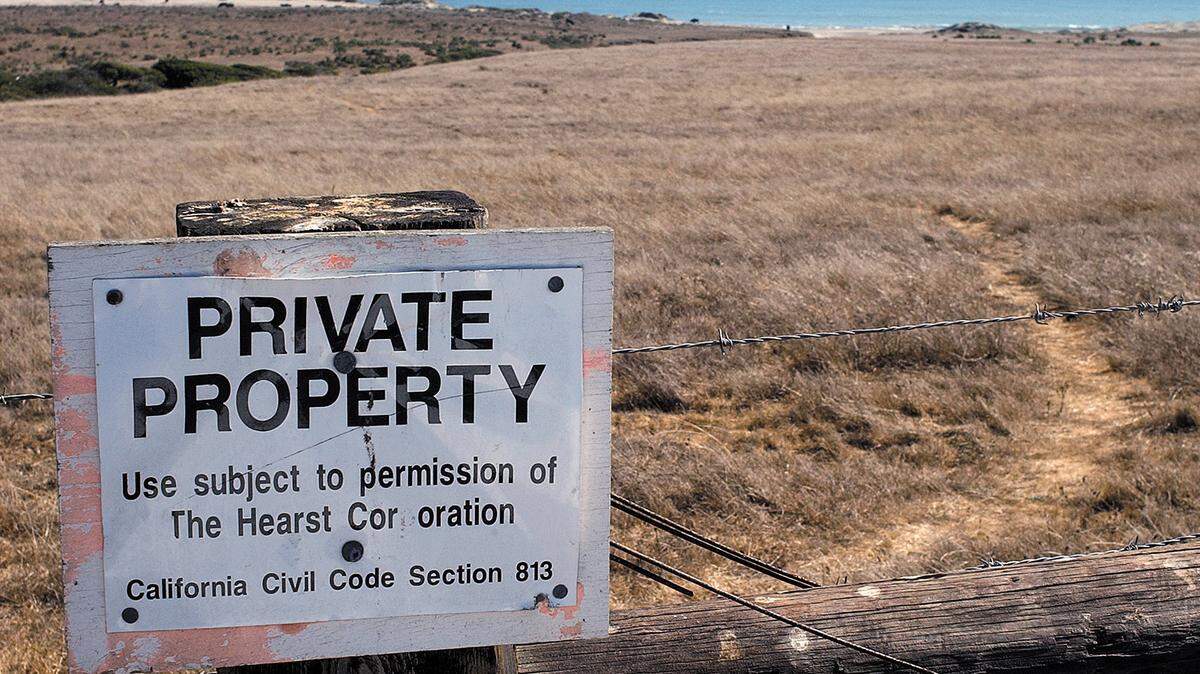
The deal will keep development off all but a few of the ranch's acres. In particular, it preserves coastline areas of the ranch along Highway 1 and will give the public access to several new beach areas that have been off limits.
Late Dec. 20, after days of intense conference calls, Mike Chrisman, the state's Secretary for Resources, called Stephen Hearst to say, "We've got a deal," in a $95 million agreement that includes conservation and other easements that restrict development to a 100-room inn, 27 estates and 15 employee residences.
Hearst, a family heir and corporation board member, began pushing the conservation package in January 2001 after Hearst Corp. had spent decades promoting development proposals of varying densities, each of which drew strong public objections.
In a phone interview Dec. 24, Chrisman confirmed that negotiations had concluded but cautioned that escrow has to close before he'll really be ready to celebrate.
For instance, the state Wildlife Conservation Board has to sign off in January on how the state will handle special tax credits for all such land donations -- not just Hearst Ranch.
Chrisman, Hearst and conservation board representatives said they consider those approvals to be a formality. In fact, Chrisman said one may be done via conference call.
Despite his caution, Chrisman was clearly pleased.
"It feels good," he said. "It's a landmark effort ... and a big deal for the state, for Hearst Corp. and the family and the public."Negotiations over the last year have been especially intense, involving:
- separate funding approvals by Caltrans, the state Transportation Commission, Wildlife Conservation Board and Coastal Conservancy;
Negotiators confirmed the 11th-hour discussions included minor wording changes in how the ranch habitat would be monitored — changes required by the conservation board.
The conservation deal includes:
- A Hearst Corp. donation of 13 miles of beachfront land to state parks, which will provide daytime public access following public hearings on a management plan. Caltrans paid $23 million in federal transportation funds to protect the view from nearby Highway 1. A $15 million state-tax credit will pay for the southernmost 900 acres of the ranch; ultimate plans for that land could include camp sites.
This story was originally published December 21, 2009 at 3:04 PM.