How to motivate millennials to vote? Empower them, California leaders say
READ MORE
The California Influencers Series
Expand All
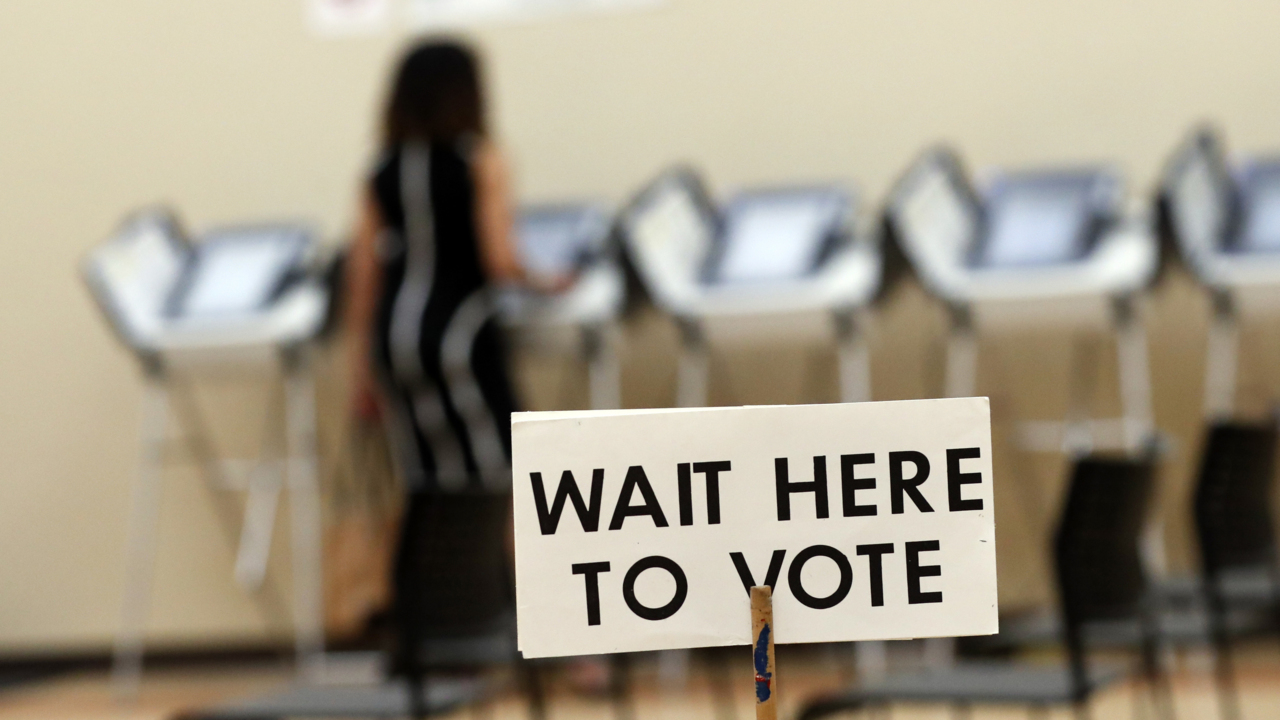
Millennials vote in smaller numbers than any other generation in America today. But those same young people volunteer their time back into their communities in greater numbers than any other generation in recent history.
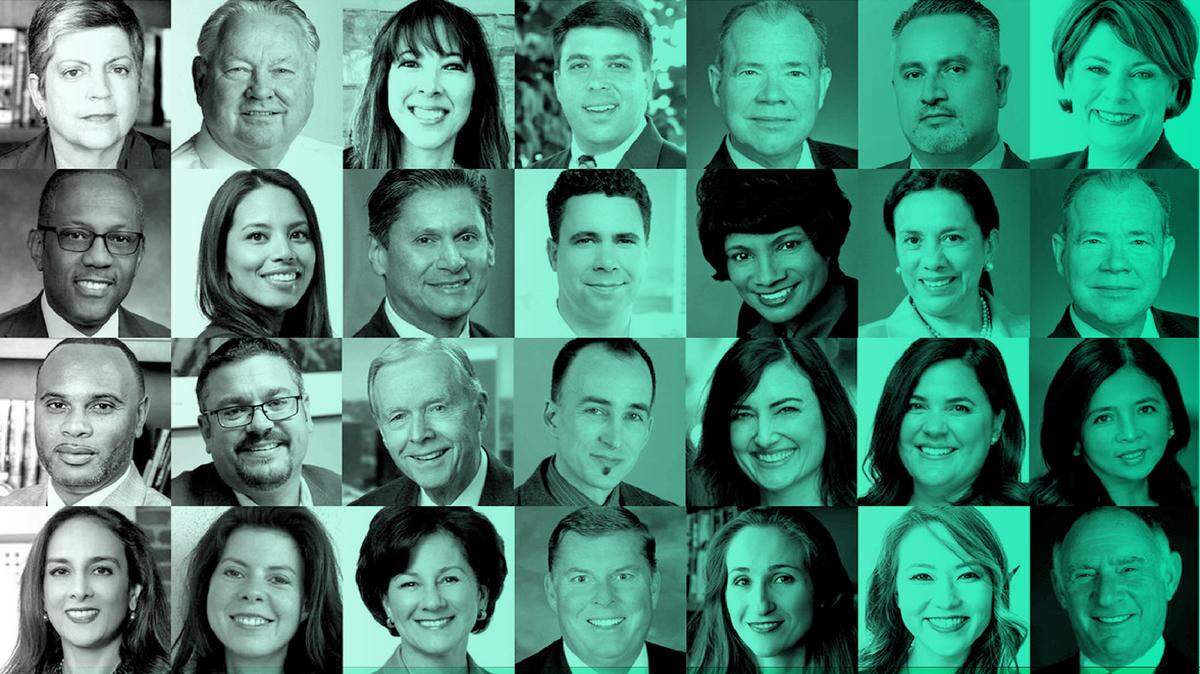
With the midterm elections only weeks away, California Influencers attempted to reconcile how a generation that is otherwise so civically engaged continues to lag in participating in the traditional political process.
The Influencers pointed to a number of potential explanations, but the most recurring theme was a perception among young people that electoral politics is simply not relevant to their daily lives.
“I think the most significant deterrent that discourages young people from voting is … they haven’t seen or felt the impact of the vote lifting their communities forward,” said Pastor Les Simmons of the South Sacramento Christian Center. “In many cases … (the candidate) who they voted for wasn’t elected, and what they voted for didn’t pass or translate into real change.”
“The single biggest barrier that discourages young people from voting is the feeling that they are totally powerless and disconnected from a system that has stacked the deck against them,” agreed California Democratic Party Chairman Eric Bauman.
Many Influencers pointed to the challenges of navigating a nasty and divisive political landscape, particularly for young people more accustomed to working on cooperative volunteer projects.
“The two-party system has polarized the electorate so much that young people do not feel that their views and values are represented by our system of politics,” warned California Community Colleges Chancellor Eloy Oakley.
“Today’s generation of young people share a deep value for mass collaboration but we live in a political system that rewards party loyalty above all else,” agreed GenNext Los Angeles Director Maria Mejia. “If we want young people to vote, we need to focus on ... embracing ideological divergence as an acceptable norm.”
Former GOP Congressman Tom Campbell, now a professor of law and economics at Chapman University, used contemporary examples to frame the argument.
“What is the Democrats’ message in California? It is all anti-Trump, all the time. What is the Republicans’ message? It is that President Trump’s detractors are leftists with naive affinity for socialism,” Campbell said. “With both sides going negative, I fear younger voters will not turn out to vote.”
Some Influencers suggested that the immediate emotional charge of grassroots participation is more satisfying for many millennials than the patience required to achieve longer-term legislative goals.
“In the generation of Instagram and instant gratification, the thought of politicians toiling away at the margins for years in Sacramento or Washington, D.C., doesn’t connect with young people,” said Ron Wong, the president of Imprenta Communications Group. “We are not speaking their language, and their low voter turnout speaks volumes.”
“Two millennials recently told me that young people seek immediate gratification and are more enticed to march and ‘demonstrate’ than they are to vote,” added former state Assembly Speaker Curt Pringle. “Because they feel for that moment they are voicing their opinion on a cause and it feels good to be a part of something with their peers.”
Other Influencers stressed the importance of engaging young people in politics in ways other than voting, so that casting a ballot could be seen as the culmination of ongoing involvement.
“(W)e need to invite youth to participate early in the political process by volunteering at the local level with a campaign they believe in,” said longtime election and voting expert Astrid Ochoa. “Voting is just one step of engagement … youth must first understand and care about the issues affecting their community and their generation.”
“Overcoming this skepticism is about more than simply dragging people to the polls on Election Day. … At a practical level, voters must see that they are empowered to affect policy outcomes, not just electoral outcomes,” said Christine Robertson, vice president of Community Engagement and Advocacy for Visit SLO CAL in San Luis Obispo, and a leader in the Digital Democracy open government platform. “Closing the information gap is at the heart of closing the power gap. And closing the power gap is central to closing the gap in turnout.”
Mindy Romero, the founder and director of USC’s California Civic Engagement Project, emphasized the importance of the messenger.
“The most powerful tool to motivate young people to seize their voice at the ballot box is fellow youth,” Romero said. “Research has shown that … power lies in young people making the case to their friends and classmates themselves, to exemplify and inform why voting matters for the issues they care about.”
And Kim Belshé, executive director of First Five LA, offered a reminder that the challenge is a much broader one than just 21st century millennials.
“While it’s easy to tsk-tsk the young people of today for not turning out, this has been an age-old problem,” Belshé said. “And let’s not pick on kids. Low voter turnout is a challenge that spans all age groups.”
Dan Schnur, a veteran analyst and longtime participant in California politics, is director of the California Influencers series for The Sacramento Bee and McClatchy.
This story was originally published October 11, 2018 at 12:01 AM with the headline "How to motivate millennials to vote? Empower them, California leaders say."