Where do SLO County candidates for Congress stand on climate change, immigration and jobs?
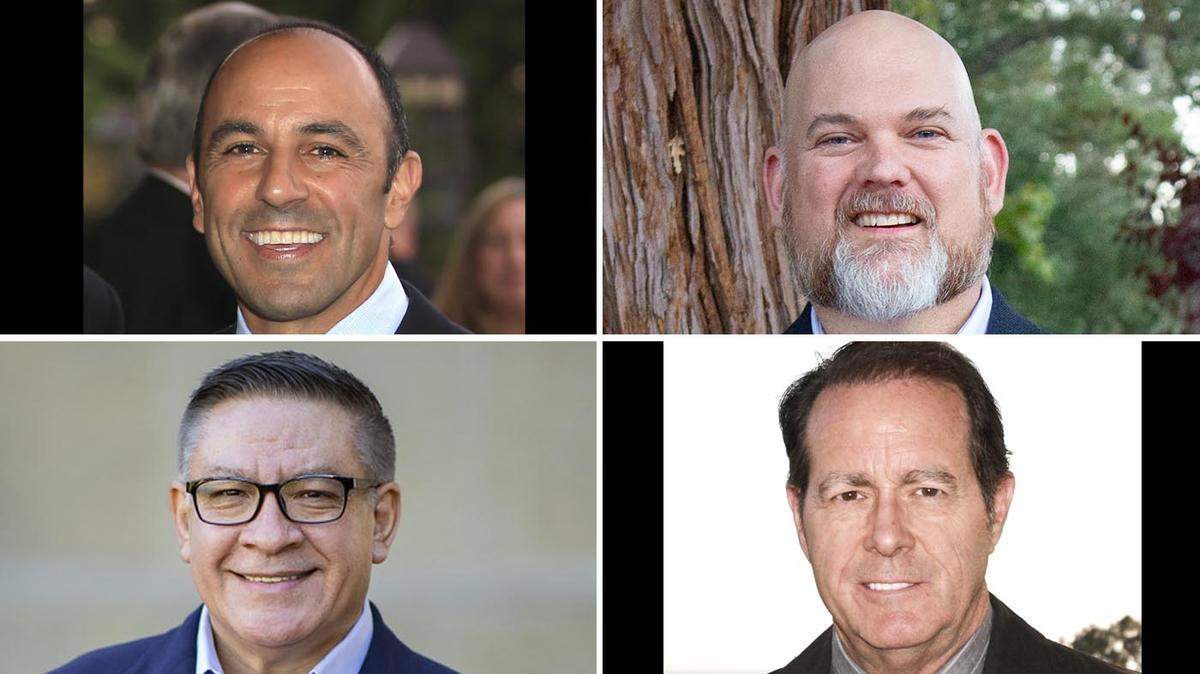
Voting will soon get underway in San Luis Obispo County, and one race that will be on everyone’s ballot is for the United States Congress.
SLO County is represented by two congressional districts in federal government — District 19 and District 24.
District 19 covers the northern portion of the county from Atascadero, Cayucos and above, into parts of Santa Cruz, Monterey and Santa Clara counties. Most of south county is in District 24 with Santa Barbara and Ventura counties.
Ballots were set to be mailed out to every SLO County voter on Oct. 7. Ballot drop-off locations were scheduled to open the next day, and the last day to vote will be Tuesday, Nov. 5. The last day to register to vote is Monday, Oct. 21.
To help as you make your decision, The Tribune has compiled a 2024 Election Voter Guide, meant to give easy access to some of the candidates’ basic facts and stances.
In District 19, Republican small business owner Jason Anderson is challenging incumbent Jimmy Panetta for his seat.
In District 24, campaign data analyst Thomas Cole is challenging incumbent Salud Carbajal for his seat.
All candidates save for Anderson responded to The Tribune’s survey asking about a variety of issues.
Here are the candidates’ responses, organized by district and in alphabetical order.
Editor’s note: Some responses have been edited for length or clarity.
District 24
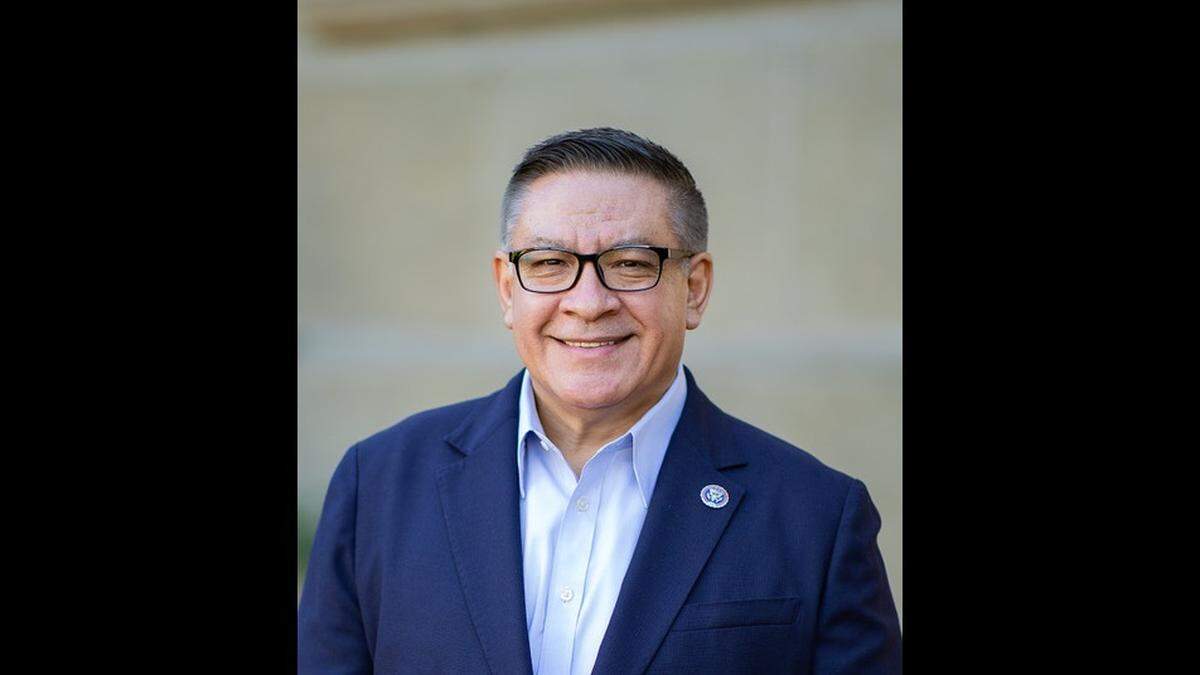
Salud Carbajal
Who are your top three campaign contributors?
The majority of my campaign contributors are families and individuals who live here on the Central Coast. I’m proud to have earned their support. I’m also proud to have the support of the unions and union workers who make our country run, including the International Association of Machinists & Aerospace Workers (IAMAW); the Carpenters and Joiners Union; and the American Federation of Labor (AFL-CIO).
What is your vision for what your district should look like in 5 years? 10 years?
No one who works full time should live in poverty. We have to create more opportunities for people to lift themselves into the middle class and thrive. Throughout my career, I have worked across the aisle to ensure people have the chance to succeed, secure a good-paying job and live their own American Dream.
In the future of the Central Coast that I believe we should strive for, everyone has that opportunity to succeed and they have access to the affordable housing, education, child care and health care they need to grow up, thrive and make a life on the Central Coast.
One way we can do that is by making the Central Coast a hub for the emerging renewable energy sector, which will bring thousands of new good-paying jobs to our region through research, development and manufacturing opportunities — all while helping us fight climate change and preserve our beautiful open spaces for decades to come.
What do you believe is the most important issue facing your district today, and what will you do to address it?
My No. 1 priority continues to be lowering the cost of living for Central Coast middle-class families. I’ve helped create new laws that are lowering the costs of prescription drugs, health care premiums and home energy bills, but I know there is more work to be done. That’s why I’ve backed legislation to cut the costs of child care, housing, health care, gas and home energy and other essentials your family relies on.
In Congress, I fight to lower costs for working class families because I understand these challenges personally. My father worked the fields in Oxnard and our family lived in public housing. I focused on my education and worked my way through UCSB, and served my country in the Marine Corps Reserves.
I worked hard to get ahead and build a better life for my family, and I am committed to making sure that same opportunity is attainable for all who are willing to put in the hard work.
How will you support the creation of infrastructure, jobs, and affordable housing in your district?
As the representative for the Central Coast, I have worked to bring new investments, jobs and opportunities to our region by supporting the policies and laws that will benefit our middle-class families.
The Bipartisan Infrastructure Law, which I helped write and pass in 2021, has delivered more than a billion dollars to date for our region — helping make overdue repairs to our roads and bridges, expand transit options, increase access to high-speed internet and protect our communities’ access to clean water.
I know a central challenge facing Californians like you is the lack of affordable housing options. In Congress, I fought to bring millions of dollars back to the Central Coast to build new workforce housing options. And I’ve written bills to overhaul our approach to housing in this country — improving assistance for renters and first-time home buyers, helping those experiencing homelessness and helping keep a roof over the heads of our veterans, seniors and at-risk youth.
How do you plan to tackle climate change through federal policies, and what local initiatives do you believe are essential to your district’s environmental sustainability?
In Congress, I have focused on both improving climate resilience on the Central Coast and investing in renewable energy and other industries that will help us lower carbon pollution and curb our carbon footprint.
I’ve helped enact the largest climate action legislation in the history of our nation, one that is creating jobs in our region while accelerating our transition away from fossil fuels. And by putting the Central Coast at the forefront of renewable energy through projects like the first-in-the-West offshore wind farms, we keep our region on the cutting edge of emerging technologies that will bring prosperity for decades to come.
I have also secured direct investments in local projects that are mitigating the impacts of erosion on our coastline, managing the risk of wildfires, and creating more drought-resilient communities to protect us for years and decades to come.
What is your stance on immigration reform at the federal level, and how would you address immigration issues that impact your district?
I came to this country from Mexico when I was 5 years old. I believe that my perspective as an immigrant has guided me as I’ve worked across the aisle to actually pass meaningful immigration reforms that will fix our broken immigration system, restore order at our border and restore our ability to be a nation of immigrants with a system that works and is fair.
I believe the most meaningful way we can make lasting reforms to fix our immigration system is through bipartisan solutions. That’s why I championed the bipartisan border deal written by President Biden and Senate Republicans this year, and was deeply disappointed to see it fail to pass due to Republicans putting party loyalty over governing. That’s also while I’ve worked on other bipartisan solutions like the Farm Workforce Modernization Act, as well as legislation to protect our Dreamers, the families of U.S. servicemembers and those who have been living and contributing members of our communities for years.
What can you do to reduce partisanship in Congress and foster cooperation across the aisle in the interest of serving the American people?
At a time when Washington dysfunction is at an all-time high, I’ve remained focused on finding common ground and working across the aisle on common-sense solutions, from tackling homelessness and the high cost of child care to delivering disaster relief for communities impacted by natural disasters.
I am a member of the Bipartisan Problem Solvers Caucus and the For Country Caucus, two robust groups of bipartisan members of Congress that strive to work across the aisle whenever possible to find solutions that help our constituents. We do not have to agree on everything, and we certainly have strong disagreements, but there are still plenty of places where reaching across the aisle to govern is possible — and I am always working to find those solutions.
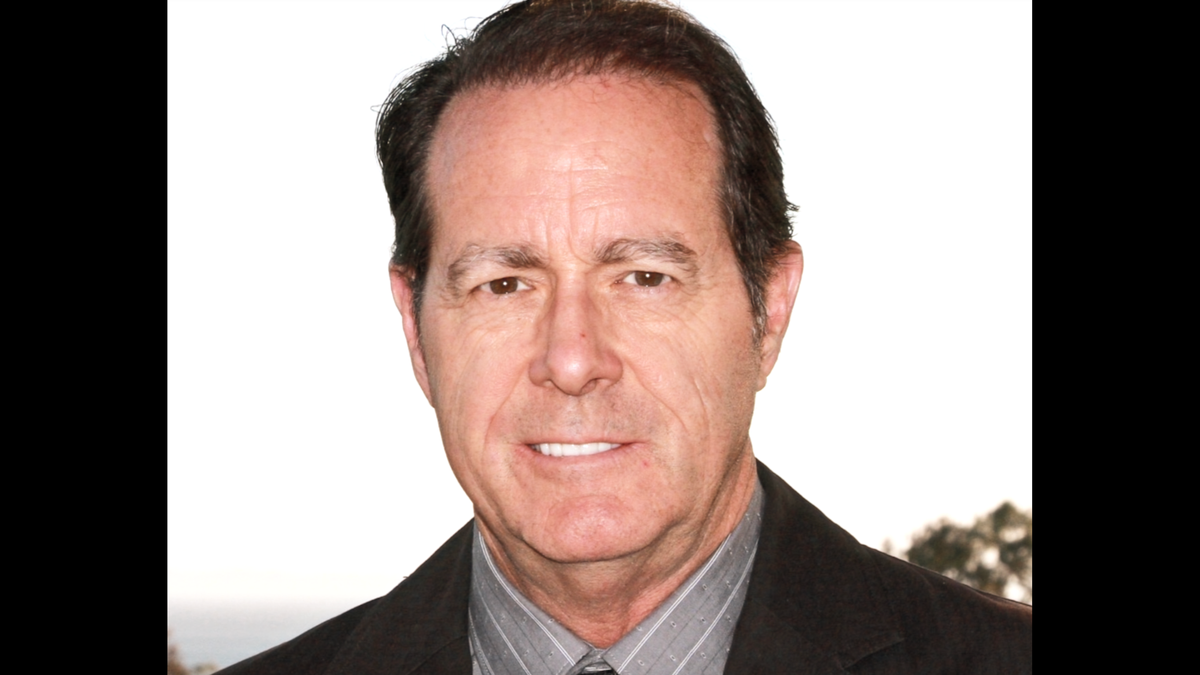
Thomas Cole
Who are your top three campaign contributors?
Joe Greatch, Wanda Kindsworth, Chas Berkston
What is your vision for what your district should look like in 5 years? 10 years?
We should have more jobs and more housing for our young people. Homeless veterans must be cared for. Homeless illegal aliens must be returned to their nation of origin. Federal debt per voter is near $200,000 per voter. How can this be sustained? And how can our current representative in Congress place $460 million of new debt on our district? I would work to stop the printing of paper dollars, to stop the inflationary spiral we are in. Fewer regulations mean more freedom for businesses, wealth builders, employers and working people to make and keep more of their money. People make the best decisions for their own benefit, not government.
What do you believe is the most important issue facing your district today, and what will you do to address it?
Peace is very important, because endless wars are a major cause behind inflationary spending and printing. Open borders is also crucial, because in the last three years our current congressional rep has imported 40,000 new homeless illegal aliens into our county. Just our county. Where do they all go? Are there new housing for these people? No. Are there new jobs for them? No. We are supposed to take care of all these homeless people and forget that it destroys our housing availability, costs mega millions in social services and the crime, the crime. All this while our veterans are dying in the streets. It’s an unforgivable shame. Peace, parents, borders are my big three campaign issues.
How will you support the creation of infrastructure, jobs, and affordable housing in your district?
Energy was our biggest employer in the 24 past years. Now our current rep has ended all energy jobs, driving the price of gas and the price of everything out of sight. I would vote for a reasonable mix of energies. And that means not importing oil from rogue nations like the Saudis and other nations with zero environmental controls, and instead safely extract our own oil and gas reserves to power our economy, providing thousands of good-paying jobs in our county and powering family building and wealth creation for our local people.
How do you plan to tackle climate change through federal policies, and what local initiatives do you believe are essential to your district’s environmental sustainability?
As a parable, just 22,000 years ago in 20,000 BC, there was an immense lake in California. It was the largest lake west of the great lakes. This lake was 25 miles by 75 miles long, 700 feet deep, ice cold and filled with fish. The world’s CO2 level was very low back then at the end of the last Ice Age, down to 180 parts per million. But then, 22,000 years ago the environment began to change, on its own. It wasn’t caveman fires, CO2 levels, cars or factories that caused the change. The Earth changed on its own and began to warm up. CO2 levels rose to 400 parts per million. And no one alive really knows why. Over the last 22,000 years the West Coast average temperature went from 50 degrees average, to today’s temps of 70 on the coast. The ocean off our coast raised up 400 feet. All these changes occurred before people even had a lamp to burn. And so today, that vast ancient icy lake area in California, is known as Death Valley.
What is your stance on immigration reform at the federal level, and how would you address immigration issues that impact your district?
We must have orderly and vetted immigration. Stay in Mexico or the country next to the one you are escaping and apply for asylum from there legally. We in the USA cannot have a welfare state and open borders. That combination is a sure recipe for disaster. Since the Supreme Court has opined that we cannot withhold welfare on the basis of citizenship, I would certainly enforce e-verify for any workers, and add my own plan: to e-verify anyone who is on public assistance, welfare, schools, hospital care, food stamps. All must get online and state to the federal government for public review, if they are a citizen or not, who they are, provide a photograph, contacts, working status and locations. Failure to provide this data to the federal government would result in withholding of federal aid to that state, county or entity. Because the federal government has an absolute right to know how many non-citizens are receiving welfare, from city, state, private or federal sources.
What can you do to reduce partisanship in Congress and foster cooperation across the aisle in the interest of serving the American people?
Peace is a universal benefit to all nations, to all people, and I am a peace Republican. My basic stance in no proxy wars anywhere, anytime. Right now there is a vast savings of blood and treasure. That last payment for war cost our district $460 million, at a time our children cannot even get enough work to rent an apartment. And right now we are spending $200 million to kill 800,000 young people in eastern Europe, for no good reason. I would vote for diplomats, not cluster bombs. I would vote to keep NATO from incursion into nations adjacent Russia, and would not be sending arms into Taiwan, because in both instances these are nuclear armed nations whose sphere of influence certainly includes their neighbors and islands only 80 miles distant as in Taiwan’s case. And in example if China decided to arm up Mexico with offensive missiles, fighter jets, tanks, mines, invasion forces, we in the U.S. would go absolutely berzerk. So that is what I am talking about.
District 19
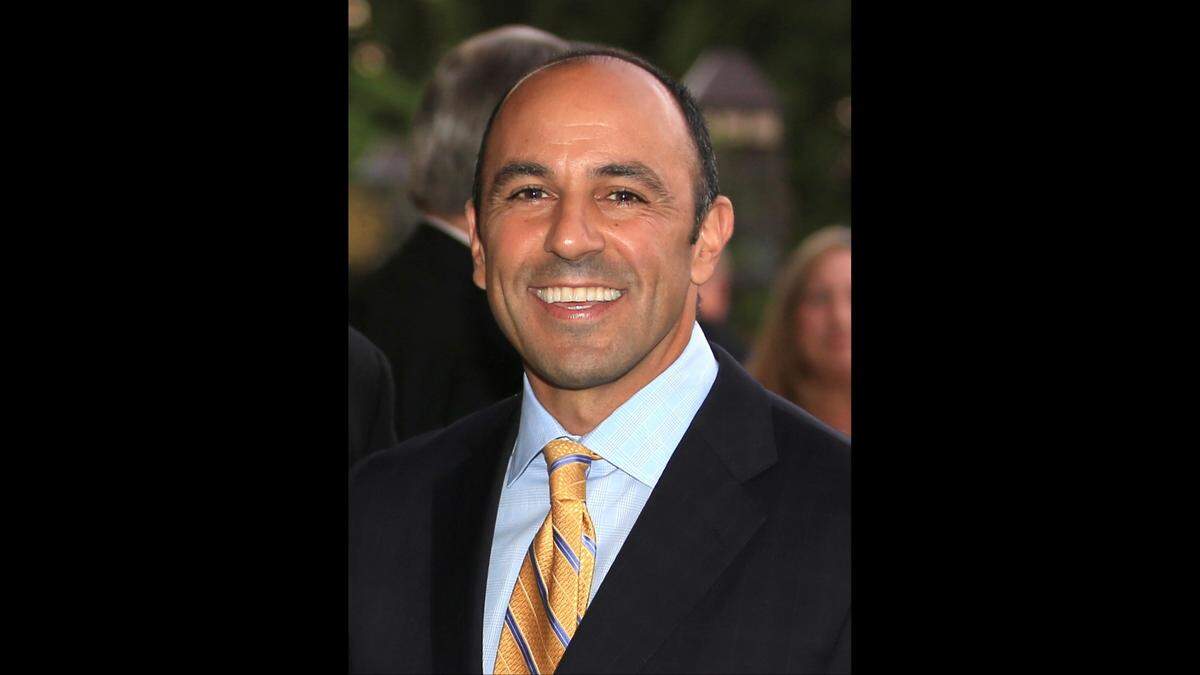
Jimmy Panetta
Who are your top three campaign contributors?
I am proud that my top donors are all individuals. Additionally, the majority number of my donors are supporters who give small donations, including a person who sends a check for $5 every year. I am humbled by that type of grassroots support and am proud of the network of people of all political persuasion who support my service to the constituents in California’s 19th Congressional District.
What is your vision for what your district should look like in 5 years? 10 years?
Our district is big, diverse and dynamic as it stretches from South San Jose to Santa Cruz County, down the Monterey County coastline to northern San Luis Obispo County. As the U.S. representative for our home, I am working to ensure that our children and grandchildren can enjoy, as we do, the great beauty and bounty of this area. Through my work, I will continue to help constituents, create policy and secure investment that ensures our environment is protected, our housing is affordable, our healthcare is accessible, our agriculture, hospitality and technology industries are thriving, our small businesses are successful, our voting and reproductive rights are secure, our water and renewable energy sources are aplenty, our infrastructure is efficient, our law enforcement is funded, our communities are safe, our military installations continue to contribute to our local economy and our national security and opportunities for working families are attainable and abundant.
What do you believe is the most important issue facing your district today, and what will you do to address it?
Affordable housing is our leading issue, and I have proven my ability to address it.
I have secured significant federal funding for housing and homelessness projects and programs, including $23 million in housing relief and $16 million for rental assistance for my constituents.
As a member of the Ways and Means Committee, I have authored legislation to build more affordable housing, including bills that create tax credits for the development of more low-income and middle-income housing, and bills to provide tax credits for first-time homebuyers and renters and increase the capital gains exemption on individual home sales.
I authored and passed a tenant bill of rights for our servicemembers and their families living in privatized military housing. Most recently, the Tax Relief for American Families and Workers Act, which passed out of the House, includes legislation I co-authored to expand the Low-Income Housing Tax Credit to help build 40,000 new affordable homes in California.
How will you support the creation of infrastructure, jobs, and affordable housing in your district?
I have secured major federal investments for local infrastructure projects, including a new ambulance station in Cambria, a new law enforcement training facility in Paso Robles, safer street infrastructure in Atascadero and a new fire engine in Templeton.
I worked to pass the Bipartisan Infrastructure Law, which is funding the modernization of the Paso Robles Airport and making historic investments in broadband.
On the Ways and Means Committee, I fight for tax policy that supports small businesses and job creation, including the R&D Tax Credit, interest deductibility for growing businesses, the Work Opportunity Tax Credit and employment retention credits. I helped author and pass the Inflation Reduction Act (IRA), creating tax credits for the clean energy industry and supporting 1.5 million new jobs. I support strong CHIPS and Science Act implementation, bolstering our regional technology industry.
I will continue to push my housing legislation noted above to reduce housing costs.
How do you plan to tackle climate change through federal policies, and what local initiatives do you believe are essential to your district’s environmental sustainability?
The IRA is the largest climate investment in history and could reduce our carbon output by 44% by 2030. I am proud to have authored provisions in the bill including tax credits for clean buses and microgrids. Separately, the bipartisan infrastructure law has funded new clean school buses for Atascadero USD.
To combat and prevent wildfires, I introduced the Save Our Forests Act, which supports firefighter training and retention, and the Wildfire Emergency Act, to better manage federal forests. I authored and passed into law the REPLANT Act, which has already supported 360,000 acres of reforestation, and the Monarch and Highway Pollinators Act, which will enhance the habitats of key pollinators.
I secured a significant investment to make the Central Coast more resilient to climate change and other coastal hazards through the IRA’s Climate Resilience Regional Challenge, as well as for a NOAA science facility co-located on the CSUMB campus to support environmental science programs.
What is your stance on immigration reform at the federal level, and how would you address immigration issues that impact your district?
As a grandson of immigrants, I value immigrants and their contributions to our economy, community and culture. Unfortunately, our immigration system is broken and Congress must reform our entry processes, and at the same time, secure our border.
I co-authored the bipartisan Farm Workforce Modernization Act to provide legalization for farmworkers and reform and modernize the H-2A visa guestworker program, and I support a path to permanent legalization for our Dreamers.
I have visited the southern border six times and understand its challenges and need for additional resources. I supported bipartisan legislation in the Senate that would raise the asylum threshold and allow a president to shut down the border during times of high migration, and which included funding to hire more CBP officers, expand detention capacity and curb fentanyl smuggling. I supported the recent Executive Order to manage and address the causes of migration and to provide safe and orderly asylum processing.
What can you do to reduce partisanship in Congress and foster cooperation across the aisle in the interest of serving the American people?
The bills I author and support are heavily bipartisan, and I chose to serve on committees that prioritize cooperation over political posturing.
I’m a member of multiple bipartisan caucuses, including the Problem Solvers, which works together to find common ground and solve legislative challenges, and the Bipartisan Working Group, which meets weekly to discuss current legislation that can advance and make an impact in our communities. I also am the co-founder and former co-chair of the For Country Caucus, a bipartisan group of veterans in Congress who work together on military and veterans issues.
The Lugar Center at Georgetown University has recognized me as the No. 1 most bipartisan California member, the sixth most bipartisan Democratic member, and the 13th most bipartisan member of Congress overall. The Common Ground Committee gave me the 22nd highest bipartisanship score of all House and Senate members of both parties and the 15th highest score among Democrats.
This story was originally published October 9, 2024 at 5:00 AM.