
From housing to downtown, here’s how candidates for SLO City Council and mayor compare
Ballots are on their way, San Luis Obispo — do you know who you’ll be voting for for city office this November?
To help as you make your decision, The Tribune has compiled a 2024 Election Voter Guide.
In San Luis Obispo, four candidates are running for two open seats on the City Council this November: incumbent Jan Marx, professor Mike Boswell, behavioral health coordinator John Drake and chef Felicia Lewis. Incumbent Mayor Erica Stewart is also running for re-election, facing off against repeat candidate Don Hedrick.
Hedrick did not respond to Tribune requests to participate in the survey as of Oct. 1.
Here are the remaining candidates’ responses, organized by candidate and in alphabetical order.
Editor’s note: Some responses have been edited for length or clarity.
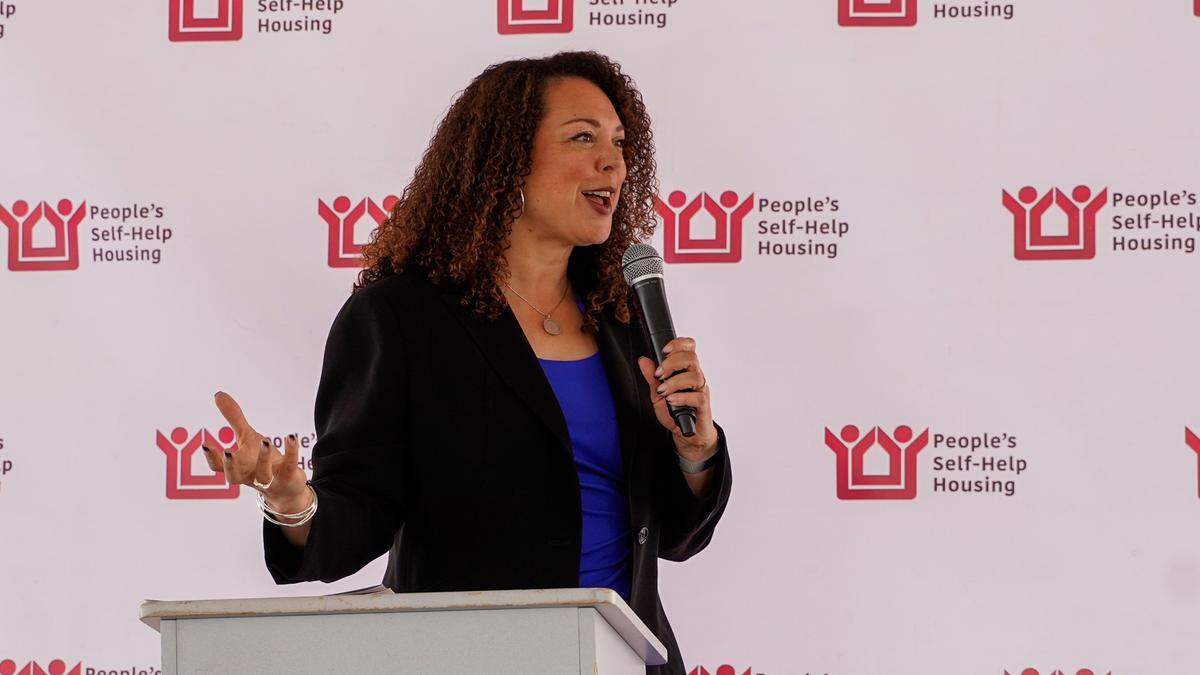
Erica Stewart
Who are your top three campaign contributors?
Due to campaign contribution limits of $250 for individuals and $500 for joint contributions, I cannot point to particular supporters who have donated at the highest levels. Twenty-seven donors have given $250.
What is your vision for what your district should look like in five years? 10 years?
In five years, I envision San Luis Obispo as a city with a vibrant, inclusive economy that balances growth with environmental sustainability. We will have made significant progress in creating affordable housing and enhancing public transportation options. In 10 years, I see San Luis Obispo as a model for mid-sized cities — one that has embraced renewable energy, created a robust support system for its vulnerable populations and fostered a thriving community that respects its historic character while adapting to future needs.
SLO has long sought to be a leader in environmental policy. Do you think the city has done enough in this regard? If elected, what would you do to further the city’s environmental goals?
San Luis Obispo has made great strides in environmental leadership, but more work remains to be done. If elected, I will focus on expanding the city’s efforts in renewable energy, water conservation, and carbon neutrality. Further, I will push for greener infrastructure projects and public transportation options to reduce our carbon footprint and support a sustainable future.
Many community members have raised concerns that the downtown corridor is struggling due to inflation, the now reversed parking rate increases and high-profile closures and longstanding vacancies. If elected, how would you handle these concerns?
To revitalize the downtown corridor, I will work closely with the local business owners, landlords, Downtown Association and community stakeholders to develop targeted initiatives that promote foot traffic and business sustainability. This could include creative incentives for new businesses, streamlining permit processes and ensuring that downtown remains an inviting and accessible space for residents and visitors.
Like many California cities, San Luis Obispo seems to struggle with how best to address homelessness. If elected, what are some concrete ways you would address this issue?
Addressing homelessness requires a comprehensive approach. I will continue to work on increasing shelter capacity and investing in supportive services, such as mental health and substance abuse programs. Additionally, I will continue to collaborate with county and state agencies to secure more affordable housing options and create pathways for individuals experiencing homelessness to access job training and long-term stability.
What do you believe is the most important issue facing your district today, and what will you do to address it?
San Luis Obispo’s major issue today is the housing crisis and affordability. I will prioritize creating affordable housing opportunities, streamlining building approvals and promoting sustainable growth that accommodates all residents, including students and lower-income households. Together, this council will continue to work to balance the city’s growth while preserving its charm and environmental goals.
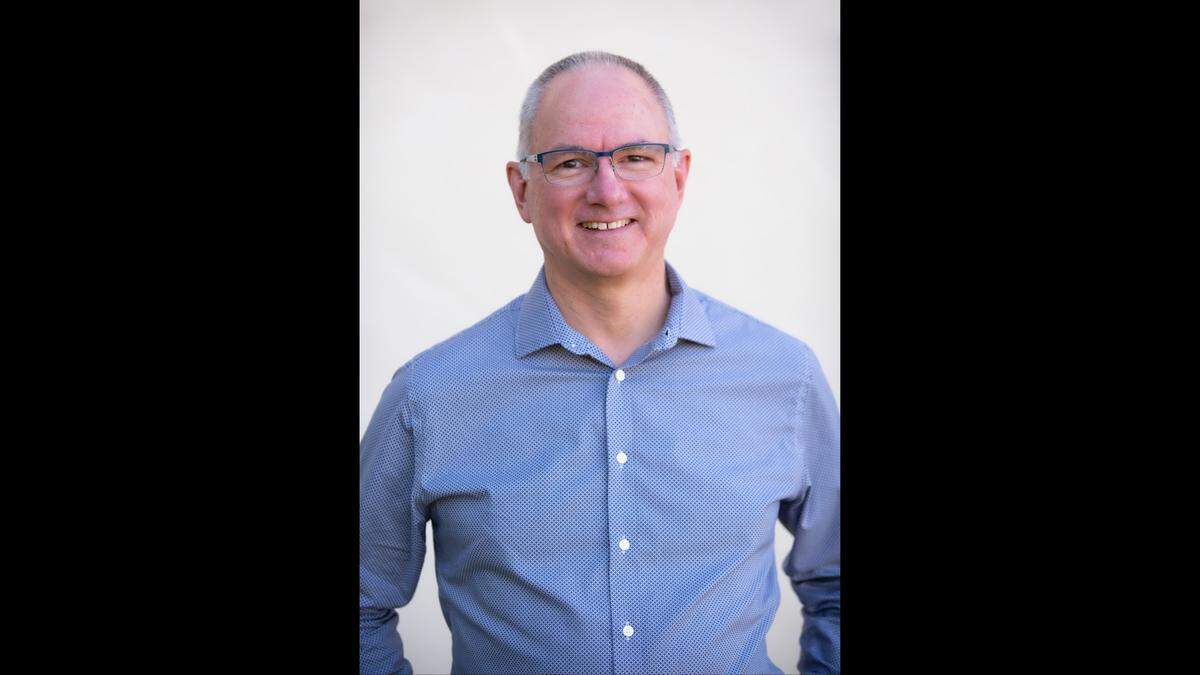
Mike Boswell
Who are your top three campaign contributors?
In the city of San Luis Obispo, the maximum individual contribution is $250. I have over 10 contributors at this maximum.
What is your vision for what your city should look like in five years? 10 years?
Five years isn’t very far away, so by then I’d like to see a lower retail vacancy rate in downtown, continued progress on reducing homelessness like we’ve seen in the last year and that we have reversed the trend on traffic deaths and see them going down instead of up.
In 10 years, I envision that SLO has achieved its goal of being carbon neutral, thus doing our part to combat the climate crisis. Our downtown is thriving with a greater diversity of businesses that serve both residents and visitors. Our city park system is world-class, and we’ve completed our city greenbelt. Most importantly, I envision a city that supports a high quality of life for all residents and visitors.
SLO has long sought to be a leader in environmental policy. Do you think the city has done enough in this regard? If elected, what would you do to further the city’s environmental goals?
SLO has an excellent record on environmental policy. We have a robust open space protection program, an ambitious climate action plan and numerous programs for waste reduction and recycling. There is always more to do. Of special importance for me is the open space program. The greenbelt is 70% complete so I will support continuing to add to our open space and continuing our successful partnerships with organizations like the Land Conservancy of San Luis Obispo County. Given my professional background in tackling the issue of climate change and natural hazards, I also want to make sure we are doing enough to protect ourselves from wildfire, extreme heat and drought.
Many community members have raised concerns that the downtown corridor is struggling due to inflation, the now reversed parking rate increases and high-profile closures and longstanding vacancies. If elected, how would you handle these concerns?
I believe we have an amazing downtown that is doing well given the struggles evident in our peer communities and the shift to online shopping and work-from-home. I’m glad to see some recent movement with the larger, empty retail spaces. I’d also add that increasing housing in the downtown area would allow for a greater range of businesses to thrive and survive and help smooth out seasonal and daily fluctuations. I look forward to working with the Chamber of Commerce and Downtown SLO on this issue. Regarding parking, I support the City Council’s May 14 adoption of “option B” which received broad support — including from downtown businesses — and ensures that the city’s parking fund remains financially sound.
Like many California cities, San Luis Obispo seems to struggle with how best to address homelessness. If elected, what are some concrete ways you would address this issue?
The city needs to continue working with the state, county and local nonprofits to support the building of affordable housing. There are currently about 500 new units of affordable housing in the pipeline for SLO. I will strongly advocate for continuing and expanding this effort. The city also needs to ensure that rental housing in SLO is healthy and safe and that renters are protected from predatory landlords. The city has been very active with engaging the homeless community to connect them to various social services. The city’s Community Action Team, Mobile Crisis Unit and community service officers are showing success, and I will continue to support funding these programs and look to expand their capabilities.
What do you believe is the most important issue facing your district today, and what will you do to address it?
The most important issue, certainly one residents want to talk with me about, is housing and homelessness. ... Another important issue is traffic safety. We have too much speeding, distracted driving and careless behavior on our streets. I support increased traffic enforcement and working with neighborhoods to slow traffic, especially around schools. I support updating the city’s Vision Zero Plan (goal of zero traffic deaths) and implementation of the priority projects identified in the Active Transportation Plan. Unfortunately, traffic deaths have increased recently in San Luis Obispo, and we shouldn’t accept this. I will prioritize transportation safety when on the council.
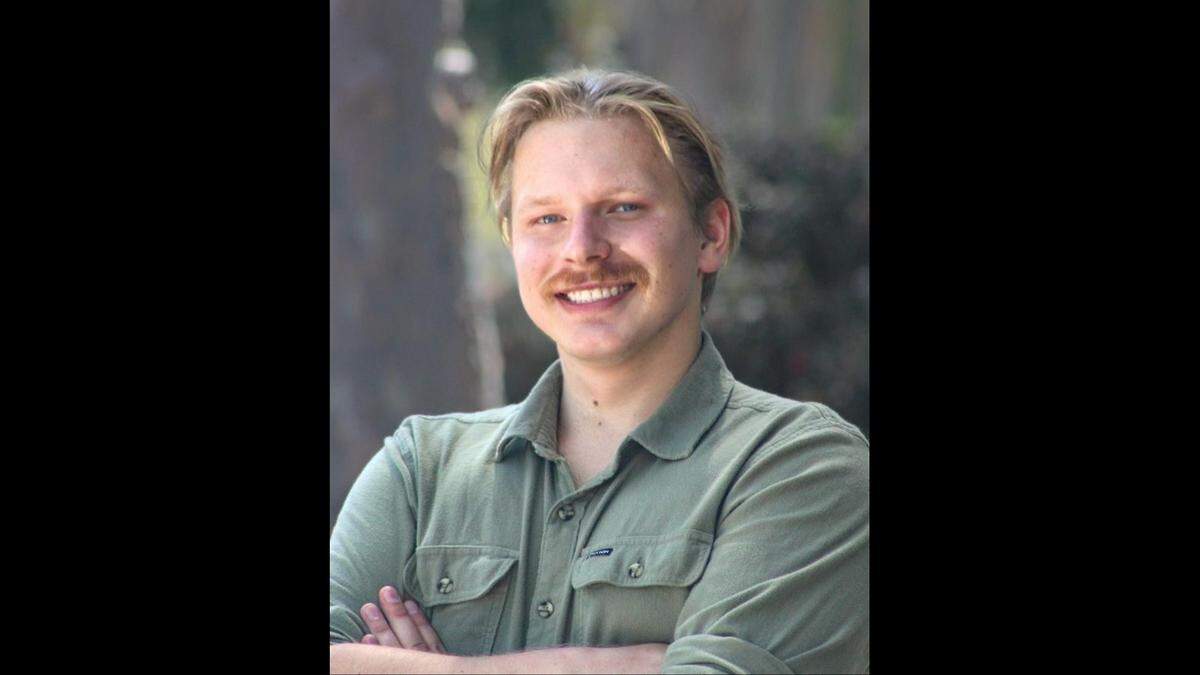
John Drake
Who are your top three campaign contributors?
Margaret Lindaman, retired; Carlos Juárez, former mayor of the city of Santa Paula; and Antonia Elhajhasr, owner of Antonia’s Pizza
What is your vision for what your district should look like in five years? 10 years?
My vision for San Luis Obispo in the next 5-10 years is a vibrant, inclusive, and sustainable community where all residents thrive.
Affordable housing: I’ll push for inclusionary zoning and a local housing trust fund to expand affordable housing. Streamlining permits will accelerate development, ensuring more homes for young people, families and workers.
Sustainable transit: I envision expanded public transit, electric buses and walkable neighborhoods, reducing car reliance and making the city more pedestrian- and bike-friendly.
Downtown revitalization: Chronic vacancies will be addressed by transforming empty spaces into local businesses or affordable housing, creating a bustling, active downtown.
Green energy: A master plan for carbon neutrality by 2035 will put us on track for a greener future, with homes and businesses powered by renewable energy.
Diversity and inclusion: The city will prioritize diversity, equity and inclusion in policy-making, ensuring all residents feel valued.
SLO has long sought to be a leader in environmental policy. Do you think the city has done enough in this regard? If elected, what would you do to further the city’s environmental goals?
SLO’s goal of reaching carbon neutrality by 2035 is commendable, but we need a comprehensive, actionable master plan to make it a reality. This plan should include specific timelines, measurable benchmarks and strategies to transition to green energy, reduce emissions and promote sustainability. I believe the city should also take a more vocal role in advocating for green energy alternatives and partnering with state and national entities to drive renewable energy infrastructure and green technology. If elected, I will focus on three key areas: transportation, energy and urban development. For transportation, I’ll push for greater investments in public transit, electric buses and walkability, reducing reliance on cars. In energy, I’ll support policies to accelerate electrification and expand community solar projects. In urban development, I’ll advocate for human-scale, climate-resilient planning, green spaces and energy-efficient buildings.
Many community members have raised concerns that the downtown corridor is struggling due to inflation, the now reversed parking rate increases and high-profile closures and longstanding vacancies. If elected, how would you handle these concerns?
Many are concerned about downtown SLO’s challenges, including inflation, closures, vacancies and parking issues. If elected, I’ll implement a revitalization plan focused on two key areas.
Parking reform: I propose reducing structured parking fees by removing the rate max, keeping the hourly rate at $2, and offering two free hours on Sundays. To maintain the program’s solvency, I support increasing meter rates to $3 per hour. Additionally, I advocate for subsidizing parking for downtown employees to ease pressure on neighborhood streets and help local businesses retain staff.
Revitalizing vacant properties: I’ll pursue the use of eminent domain for properties vacant for more than four years. This would allow the city to repurpose these spaces for affordable housing, local businesses or public areas. Revitalizing these properties will increase foot traffic, create jobs and drive economic growth downtown. These strategies will help restore downtown’s vibrancy and economic health.
Like many California cities, San Luis Obispo seems to struggle with how best to address homelessness. If elected, what are some concrete ways you would address this issue?
Addressing homelessness in San Luis Obispo requires both immediate relief and long-term solutions. If elected, I’d focus on expanding affordable housing through inclusionary zoning and a local housing trust fund, while partnering with nonprofits to build supportive housing with services like mental health care, addiction treatment and job training. I’d also increase funding for mental health and addiction services, with mobile outreach teams connecting individuals to resources. Low-barrier shelters and better collaboration between law enforcement, social services and nonprofits are essential. Additionally, I’d prioritize a “Housing First” model, providing stable housing and expanding rapid rehousing programs with financial assistance and support. Prevention is key, so I’d support rental assistance and tenant protection laws to keep people from losing their homes. By focusing on housing, mental health and prevention, we can make meaningful progress in reducing homelessness and providing stability for our most vulnerable residents
What do you believe is the most important issue facing your district today, and what will you do to address it?
The most urgent issue in SLO is housing affordability, affecting families, students and workers, while also straining local businesses. My plan focuses on several key solutions. I’ll push for stronger inclusionary zoning policies, ensuring 15% of units in new developments are affordable. I also support a local housing trust fund to finance affordable projects, using both public and private resources. Streamlining permitting for affordable developments will reduce costs, encouraging more investment. I’ll advocate for human-scale, walkable development near transit hubs to reduce car dependency and enhance sustainability. My parking strategy will balance accessibility and affordability by reducing structured parking fees, raising meter rates downtown, and subsidizing parking for employees to ease the burden on local businesses.Additionally, I propose rent stabilization policies to cap rent increases at 5% plus inflation or 10%, whichever is lower, to protect residents from steep hikes.
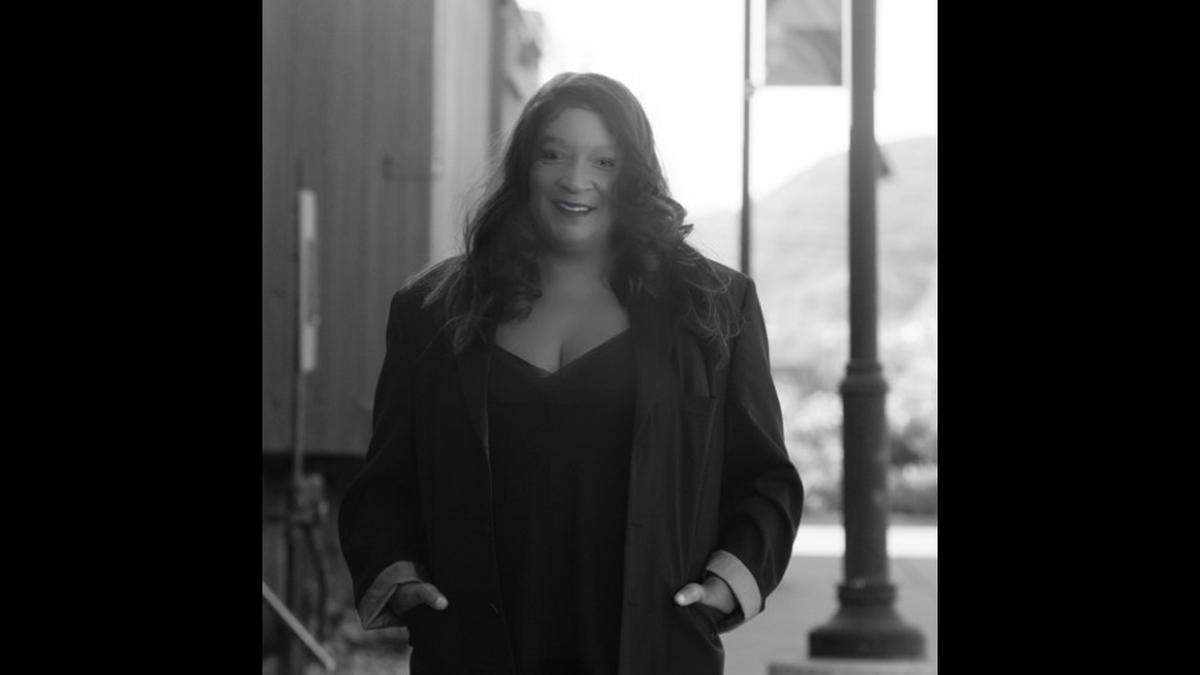
Felicia Lewis
Who are your top three campaign contributors?
To date, I have self-funded my campaign.
What is your vision for what your district should look like in five years? 10 years?
My vision for the city of SLO and specifically the downtown/Railroad District is to develop the area around the Amtrak station. SLO’s Amtrak station is ranked No. 22 in the nation. It may have moved up since my research of a few years ago. As a person who enjoys riding the Pacific Surfliner, it would be great to develop the area next to Café Roma with a coffee shop/convenience store. Because oftentimes as I waited for the train or the bus to connect with a train, I wish I could’ve had access to purchase a drink or a snack as I waited. In addition, I’ve spoken with some of the employees of Amtrak and it would be nice for them to conveniently purchase some food that is not on the train. Maybe give a food truck access to service the area?
SLO has long sought to be a leader in environmental policy. Do you think the city has done enough in this regard? If elected, what would you do to further the city’s environmental goals?
I believe the city can improve its environmental policies. For example, it doesn’t do enough in regards to the rules and regulations of composting. I know for a fact some restaurants do not follow California State Bill 1383, known as the State Organics Law. If SLO would just begin to enforce this law on our local restaurants, that would go a long way in being a leader in environmental policy.
Many community members have raised concerns that the downtown corridor is struggling due to inflation, the now reversed parking rate increases and high-profile closures and longstanding vacancies. If elected, how would you handle these concerns?
First and foremost, my goal when elected is to make sure we do everything we can to save the Downtown Centre Cinemas and Palm Theatre. The Palm Theatre was already proactive in saving their viability by joining with the SLO International Film Festival. However, if we want to grow the Film Festival into a prominent one, saving Downtown Centre Cinemas is essential. During my six months of sitting in on City Council meetings, I heard the concerns of the owners and employees of the cinema, that if something isn’t done to help them, by 2025 they will probably have to close their doors. In most cities where there is a prominent downtown area with a cinema there is two-hour free parking with a ticket purchase validation. Most importantly, do we really want the next generation not to have access to going to movies with their friends, or experience going to the movies on your first date? I don’t, and I’m sure the residents of SLO don’t either.
Like many California cities, San Luis Obispo seems to struggle with how best to address homelessness. If elected, what are some concrete ways you would address this issue?
Homelessness is a very big issue in the downtown/Railroad District. The downtown Starbucks just recently moved to a new, smaller location with no indoor seating. They don’t want to admit it, but it’s my belief as a customer that it was unfair to their employees and the public to have to be exposed to our unhoused population for hours at a time. No one should have to deal with cleaning up a bathroom every single day that a homeless person chooses to use out of convenience. In addition, some of the unhoused population are infected with diseases like tuberculosis, Hepatitis A and COVID-19 and many of the Starbucks employees are college students with a risk of spreading them to the general population. I’m in support of Proposition 1, that’s my concrete way of addressing this issue.
What do you believe is the most important issue facing your district today, and what will you do to address it?
The biggest issue facing the downtown/Railroad District is our unhoused and transient neighbors. Studies have shown that it cost 50% less to provide permanent housing to a chronically homeless person than to continue to provide services to them. This population in SLO costs the average taxpayer $35,578 per year (National Alliance to End Homelessness). That is why I support the efforts of Proposition 1. Many of the unhoused have substance abuse and mental health issues. The bonds in Proposition 1 will go to modernize the behavioral health delivery system, improve accountability, increase transparency and expand the capacity of behavioral health facilities. Many in the mental health Industry didn’t and don’t approve of this legislation, but I believe it was time for Gov. Newsom and the state to do an “intervention.”
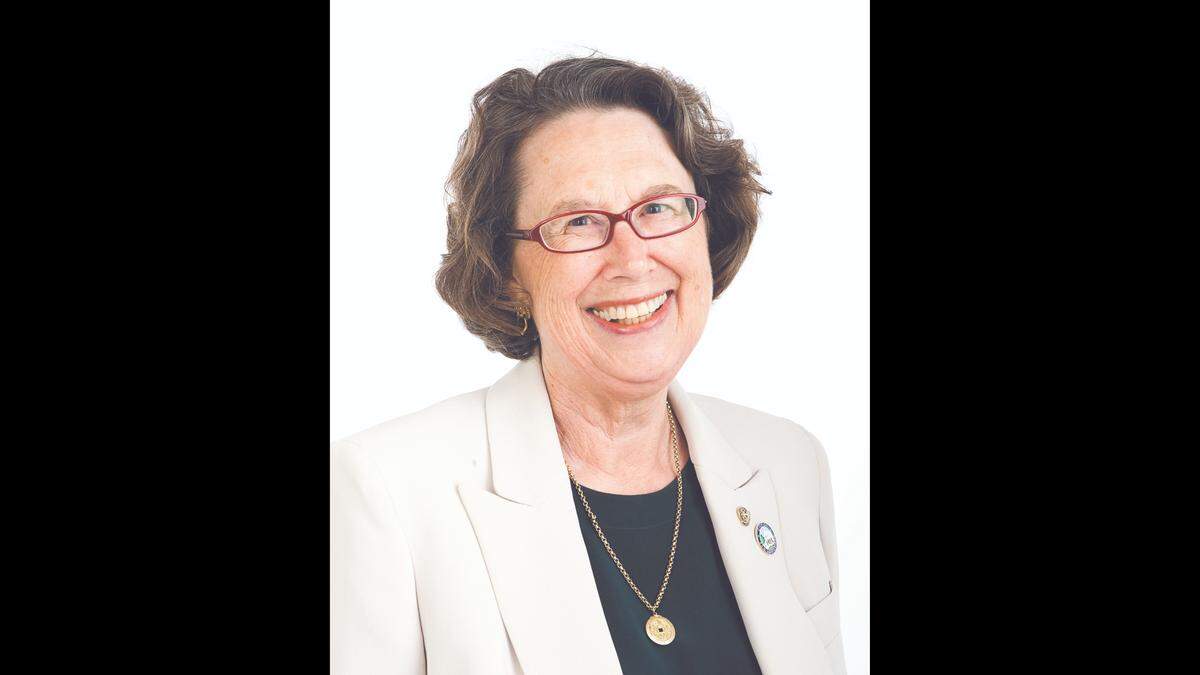
Jan Marx
Who are your top three campaign contributors?
SLO has a campaign limit of $250 per person. So far, 15 people have donated the maximum amount. So far, 15 people have donated the limit.
What is your vision for what your district should look like in five years? 10 years?
My visions for San Luis Obispo in the next five and 10 years are basically the same. The city will have continued to add housing and businesses, but will have contained development within its present Urban Reserve Line. It will not have sprawled out into our greenbelt. Cal Poly will have built a lot more student and staff housing on campus, making housing within the city more available and more affordable for permanent residents. The climate will have gotten a bit warmer, but the city will have responded to the challenge by meeting its Climate Action goals and adapting creatively. The city will have an improved public transit system, so there are fewer cars on the streets. San Luis Obispo will have become an even more vibrant cultural and economic center and great place to live, work, study and play!
SLO has long sought to be a leader in environmental policy. Do you think the city has done enough in this regard? If elected, what would you do to further the city’s environmental goals?
No, we have not done enough. The city should continue to be a strong leader in environmental policy and there is more that we need to do. I will advocate for continued expansion of our greenbelt, which is about 70% complete. I spearheaded our first Climate Action Plan and will continue to support measures to reach our goal of carbon neutrality by 2035. I have furthered our environmental goals by service on the Boards of Central Coast Community Energy (3CE), the Integrated Waste Management Authority (IWMA) and the Air Pollution Control District, and will continue to do so if appointed in the future.
Many community members have raised concerns that the downtown corridor is struggling due to inflation, the now reversed parking rate increases and high-profile closures and longstanding vacancies. If elected, how would you handle these concerns?
If elected, I will support and improve San Luis Obispo’s beautiful, historic downtown, as I have in the past. The city does not control business closures or vacancies in our economic system, nor should it. But, there is a lot the city can do to help the downtown’s economic vitality. I will support the city helping stimulate downtown spending, as we have done (even during COVID) through programs like the “Shop Local” programs and holiday activations. I voted to reduce parking rates and will keep a close eye on the Parking Fund to make sure it is only charging what is needed to meet its expenses. I will support programs such as the Downtown Ambassadors, unarmed community police officers and the Mobile Crisis Unit members, all of whom address issues created by transients and/or vandals and improve the safety of our downtown. Also, I will advocate upgrading Mission Plaza, including replacing the restrooms. Adding more apartments in the downtown will also add to its economic vitality.
Like many California cities, San Luis Obispo seems to struggle with how best to address homelessness. If elected, what are some concrete ways you would address this issue?
Homelessness is a social problem for the entire county (and state), however because SLO is the county seat and most of the services for unhoused people are located here, we have the largest local percentage of the unhoused. I will support the city working closely to deliver and improve homeless services in coordination with the county, which has funding from the state for this purpose. I will continue to support and volunteer for 40 Prado Homeless Services center, which I helped secure grant funding and land for in the past. Besides supporting the Police Department’s Crisis Action Team and the Fire Department’s Mobile Crisis Unit, I will advocate for continued creative approaches to this humanitarian and social crisis. Because so many of the unhoused in our city are elderly, frail and unable to care for themselves, I will work with our nonprofits to address this growing problem.
What do you believe is the most important issue facing your district today, and what will you do to address it?
The city needs to facilitate more affordable and workforce housing and increase renter protections. I will advocate leveraging the city’s state designation as a “Pro Housing City” to obtain more grants to help fund housing projects by our nonprofit partners. I will propose a Major City Budget Goal to increase renter protections, including those which are available under state law, to address affordability and improve housing conditions for the 60% of our residents who are tenants.
This story was originally published October 3, 2024 at 5:00 AM.
%20Cropped.jpg)