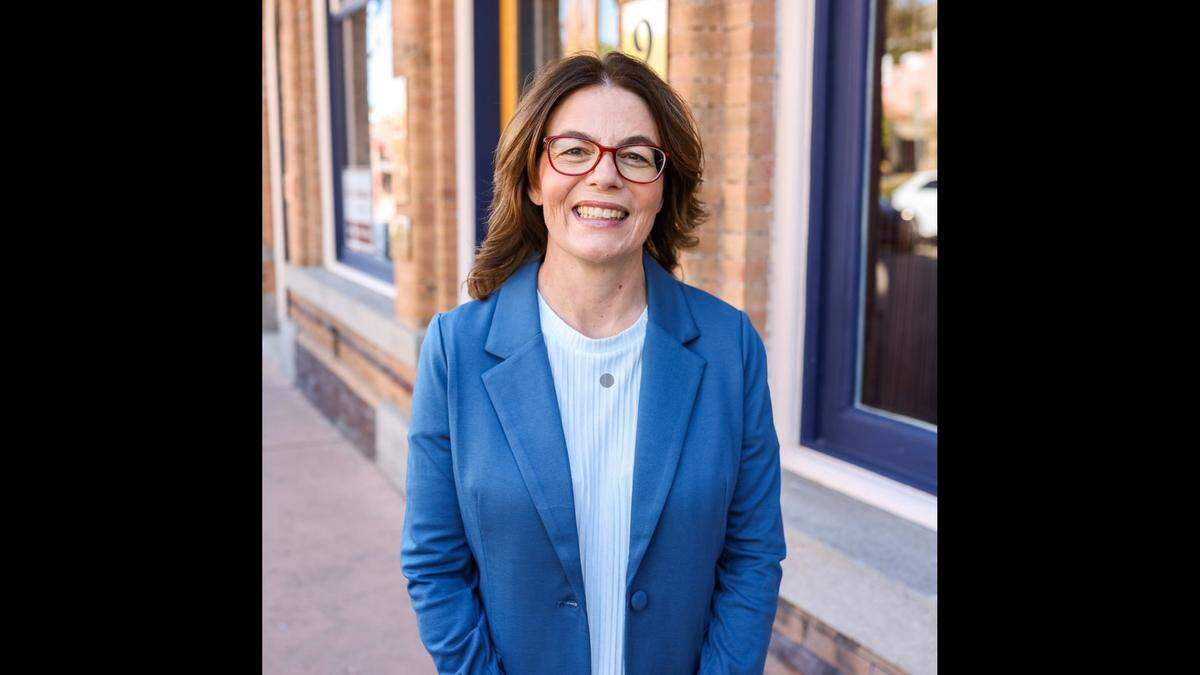
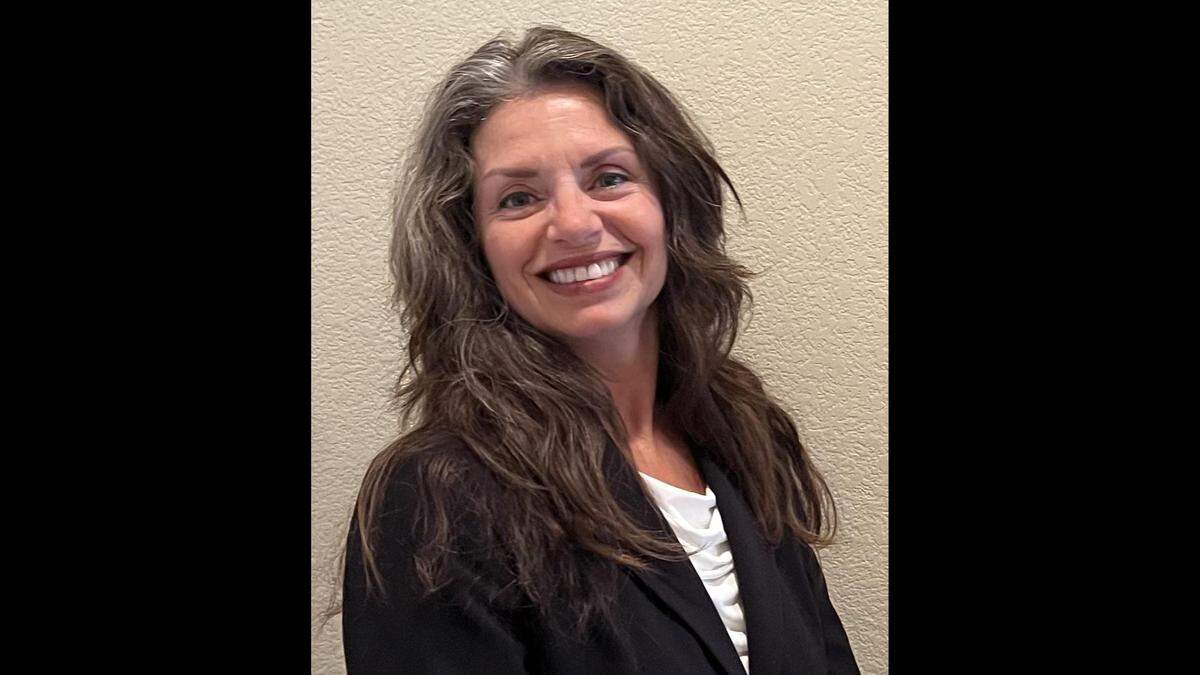
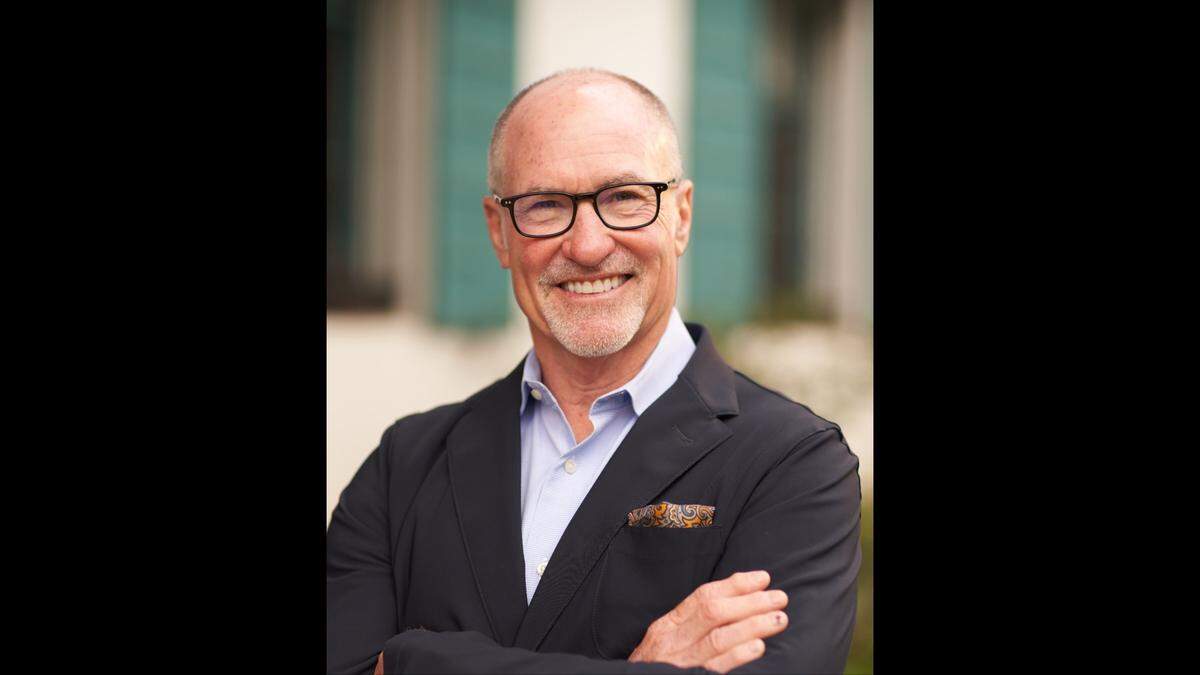
At top, in District 30, incumbent Assemblymember Dawn Addis, left, is being challenged by broadcast journalist Dalila Epperson. At bottom, in District 37, incumbent Assemblymember Gregg Hart is being challenged by retired business analyst Sari Domingues.
Ballots are on the way to San Luis Obispo County residents, and one race that will be on everyone’s ballot is the California State Assembly.
SLO County is represented by two assembly districts in the state legislature — District 30 and District 37.
Most of San Luis Obispo County falls into District 30, which extends north into parts of Monterey and Santa Cruz counties, but Nipomo, parts of Santa Maria and the Carrizo Plain falls into District 37 shared with Santa Barbara County.
To help as you make your decision, The Tribune has compiled a 2024 Election Voter Guide, meant to give easy access to some of the candidate’s basic facts and stances.
In District 30, broadcast journalist Dalila Epperson is challenging incumbent Dawn Addis for her seat.
In District 37, retired business analyst Sari Domingues is challenging incumbent Gregg Hart for his seat.
All candidates, save for Domingues, responded to The Tribune’s survey asking about a variety of issues for a voter guide.
Here are the candidates’ responses, organized by district and in alphabetical order.
Editor’s note: Some responses have been edited for length or clarity.
District 30
Dawn Addis is the incumbent candidate for the District 30 seat in the California State Assembly.
Dawn Addis
Political party
Democrat
Age as of Election Day
52
Occupation
California state assemblymember, 30th District
Education
Bachelor’s degree in art education and Spanish, master’s degree in special education, and four teaching credentials from San Francisco State University.
Have you run for elected office before? (Please list previous offices sought)
In 2022, I ran for the State Assembly and was elected. I also ran in 2020. I served on the Morro Bay City Council from 2018 to 2022.
Please list highlights of your civic involvement.
As a proud public school teacher, I have worked in the San Luis Coastal Unified School District for over 20 years. I co-founded the Women’s March in San Luis Obispo, served as a board member for Planned Parenthood Central Coast Action Fund, and have been an active member of local organizations, including Rotary Los Osos and the Morro Bay Open Space Alliance. I volunteer at community events including the beach cleanup hosted by the Morro Bay National Estuary Foundation.
Who are your top three campaign contributors?
I am proud to have a broad range of support from friends, businesses, labor unions and other organizations. A number of groups, including the California Teachers Association, the Association of California School Administrators and the California Association of Realtors, have donated the maximum contribution to my campaign.
What is your vision for what your district should look like in 5 years? 10 years?
The future of the Central Coast is one of growth, sustainability and opportunity. I am focused on having safe, affordable communities with good schools and a pristine environment. I am working to bring down the cost of living — including utility rates; provide housing for seniors, students and families; and ensure that everyone has access to dignified, affordable housing. Additionally I am focused on protecting one of our greatest assets — our coastline and oceans — so that it remains pristine for generations to come.
I am also working hard to ensure that our state budget reflects the priorities of the Central Coast, maintaining a balanced approach to spending while investing in the infrastructure and services that matter most, like education, public safety and healthcare.
Our future is bright, but we must do the necessary work to move in the right direction. I would be honored to continue fighting for our Central Coast.
What do you believe is the most important issue facing your district today, and what will you do to address it?
The rising cost of living has become a crisis, and Central Coast families are struggling with the skyrocketing costs of housing, healthcare, groceries, utilities and prescription medications. I am committed to doing everything I can to stop these rising costs, mitigating the problems they’ve caused for working families, small businesses and our community. In my first term, I have authored new laws aimed at reducing costs and adding to the supply of student and senior housing. I also authored a new law protecting mobile home renters from renter abuse. I also authored a bill that requires gas and electrical utilities to provide additional cost information when they apply for rate increases that affect consumers. This legislation (AB 2847) will prevent undue rate increases for Central Coast consumers. There is a great deal more to do, and I am open to a range of new approaches to tackle these challenges.
What steps will you take to address environmental concerns and promote sustainability in your district?
I am the Assembly appointee to the Ocean Protection Council (OPC) and the founder and inaugural chair of the California Legislative Central Coast Caucus. In both roles I have worked to uplift the environmental needs of Californian communities that are on the front lines of environmental protection.
In the Legislature, I proudly authored AB 3233, the Local Environmental Choice and Safety Act. This bill will give local communities the choice to stop oil and gas production within their jurisdictions. Additionally, my bill, AB 2197, was signed into law. It extends the Protect Our Coast and Oceans voluntary tax contribution fund that supports education about and stewardship of our Coast. I have also brought close to $4 million dollars to the OPC for scientific monitoring during offshore wind development, and fought to protect important kelp forests, oyster beds and eelgrass.
How do you plan to foster economic development and job creation in your district?
Small businesses are struggling on the Central Coast, in no small part because of inflation and the high cost of living. There is not one quick fix to these challenges, unfortunately, but there are steps we can take. I support efforts to reduce red tape for businesses, make it easier to launch a business and to provide low-interest loans to businesses that want to expand and hire more workers.
Do you support or oppose Proposition 33, which would allow local governments to impose rent controls? Why?
I try not to prejudge Propositions that are about to come before the voters. I respect the judgment and will of the voters. The high cost of housing is a crisis for many. This legislative term, I have authored several bills aimed at reducing housing costs and protecting mobile home residents. This is an issue I am going to continue to work on.
What is one bill you support from the most recent state legislative session and why? What is one you oppose and why?
I proudly supported AB 247 (Muratsuchi), a bond to modernize and repair K-12 and community college facilities across California, which voters will have an opportunity to vote on. With over 20 years of experience as a public school teacher, I understand the vital role strong public education plays in our communities. As chair of the Select Committee on Serving Students with Disabilities, I’m committed to protecting education funding and ensuring our schools are safe and inspiring places to learn.
I opposed AB 3038 (Essayli), which would have mandated armed guards in schools. School safety is a top priority of mine and requires a holistic approach. We must focus on supportive learning environments and preventative measures, not more weapons. Our solution cannot be an armed person in every public space. We need changes in mental health services and gun safety laws. If re-elected, I will continue to prioritize the safety and education of every California student.
Dalila Epperson is running for the District 30 seat in the California State Assembly.
Dalila Epperson
Political party
Republican
Age as of Election Day
58
Occupation
Broadcast journalist
Education
Nursing degree
Have you run for elected office before? (Please list previous offices sought)
Congressional
Please list highlights of your civic involvement.
Parental rights advocate; elected president of the Monterey Republican Assembly; founder of Grassroots Organization Act Monterey Bay. Member of REACT Alliance (No to Offshore Wind).
Who are your top three campaign contributors?
Frank Wagener, Joseph Guastamachio, Steve Epperson
What is your vision for what your district should look like in 5 years? 10 years?
Limited governmental bodies overseeing citizens; lower taxes; fewer regulations for small businesses; well-funded police force; driminals imprisoned; aafer streets; lower utility bills; no offshore wind turbines off our California coast; Proposition 13 intact.
What do you believe is the most important issue facing your district today, and what will you do to address it?
School curricula must be reformed and rarental rghts protected. Without both we will have a lost generation of children. Our children must be protected and who best but their parents who love them dearly? The children are our future, and the current school curriculum and our school system in general are failing them. They are not being given the tools they need to become successful at careers that highlight their natural-born gifts and talents. Instead, they are being fought over by state “laws” that are dictating to parents what they must be taught and that 12-year-old children may now make medical decisions as well as move out of their parents’ home.
State law now dictates that information be held from parents regarding their own children if it has anything to do with LGBTQ+. This is a time when children need those who love them dearly the most and yet AB 1955 says state school employees will care for their children at that point. My opponent voted YES for that state law.
What steps will you take to address environmental concerns and promote sustainability in your district?
The floating offshore wind turbines that my opponent is severely pushing for by being the chair on the committee to place them offshore has already been shown to cause heavy damage to our environment. This includes unrecyclable broken and damaged turbines that pollute our oceans and cause harm to our beaches. It includes the death of thousands of whales, dolphins and seals as shown already from the information we’ve received from our East Coast where they have been installed for the past 2-plus years. The turbines are unreliable, damage easily in wind (think what will occur during a storm), and the cost is enormous. Our utility bills will triple as the entire project is funded by we the tax payers. After the installation, the maintenance costs will continue to be the burden the taxpayer, and the bottom line is that they do not lower carbon emissions ever. To make matters worse, the deinstallation of just one wind turbine project will cost upwards of billions. This is not the way forward.
How do you plan to foster economic development and job creation in your district?
Deregulation of small local businesses has always shown to produce a robust economy and economic development. Small businesses are the backbone of Monterey, Santa Cruz and San Luis Obispo, and they provide for thousands of jobs. If we allow them to thrive and stop over-regulating them, they will stop leaving our state and come back to our beautiful area again. Who doesn’t want to live here? Everyone does. But we must deregulate and and not mandate a minimum wage for businesses of 100 employees or less. They will thrive, and so will our local economies.
Do you support or oppose Proposition 33, which would allow local governments to impose rent controls? Why?
I do not support Prop. 33. Rental controls have been tried in every state, and they simply to not work the way one would imagine they should. It’s another form of regulation that limits the landlord from managing his own private property as the local economy dictates. Supply and demand will always work naturally if the government stays out of their business.
What is one bill you support from the most recent state legislative session and why? What is one you oppose and why?
I support Prop. 13: This proposition, though it was first instituted in 1978, has continued to protect property owners’ property taxes, including homeowners. Without this protection, our property taxes would be at the whim of a majority vote to raise them (right now it requires a two-thirds vote). Since California seems to be always looking of extra funding, our property taxes must remain protected.
And this is why I oppose the recent Prop. 5 legislation that will gut it and allow for a majority vote to willy-nilly raise our property taxes for any reason they deem important (we will not have a vote on it!). No one except an extremely wealthy person will be able to afford a home in California if Prop. 5 passes.
District 37
Gregg Hart is the incumbent candidate for the District 37 seat in the California State Assembly.
Gregg Hart
Political party
Democrat
Age as of Election Day
64 years
Occupation
State Assembly Member, 37th District
Education
I grew up in Santa Barbara, attended local schools and graduated from Santa Barbara City College and UC Santa Barbara with degrees in political science.
Have you run for elected office before? (Please list previous offices sought)
My appointed and elected history is: Santa Barbara City Planning Commission (1992–95); California Coastal Commission (2000–04); Santa Barbara City Council (1995–2004) and (2015–18); Santa Barbara County Board of Supervisors (2019–22); California State Assembly (2022–present).
Please list highlights of your civic involvement.
I am proud to have served our community for more than 30 years. My public service career began as a legislative assistant for state Assemblymember Jack O’Connell. I was elected to four terms on the Santa Barbara City Council and appointed to be a California Coastal Commissioner representing the Central Coast region. In 2018, I was elected to the Santa Barbara County Board of Supervisors, and in 2022, elected to represent the 37th District in the California Assembly.
Who are your top three campaign contributors?
Larry and Susan Grassini, Bob and Victoria Hazard, and Dick and Marilyn Mazess
What is your vision for what your district should look like in 5 years? 10 years?
It is an inescapable fact that the Central Coast is growing. The population has increased, our schools are expanding, and new businesses open every day. The challenge is to plan for growth in a thoughtful, well-organized way, understanding the need for new and affordable housing while maintaining the rural character that makes the Central Coast the envy of California.
Any vision must recognize that our local infrastructure must handle this growth. This includes ensuring roads, bridges and sewer resources have capacity while our schools, fire and police protection and other services that our communities rely on every day can handle increases in our residential population.
Our region must retain its distinct communities of interest and protect our agricultural and open lands.
Any vision for the future, whether it is 5 or 10 years must emphasize smart, logical, well-planned growth, that accounts for our local community character and agricultural heritage as we look to the future.
What do you believe is the most important issue facing your district today, and what will you do to address it?
Housing affordability has emerged as a central issue facing the Central Coast. Finding a home has become a serious challenge for many families hoping to attain homeownership or find a quality rental at an affordable price.
All types of housing and price points need to be increased on the Central Coast. To address this issue, every local stakeholder must be engaged with the goal of making housing more affordable for our residents and California as a whole.
At the state level, I voted for several bipartisan legislative initiatives this session to encourage the development of new housing.
I recognize that land use approvals are made by local jurisdictions. It is vital that we respect the authority of our local elected officials who represent their distinct communities and we must work together to identify and prioritize local and state policies that can be amended in a thoughtful manner with a goal of creating new housing in our community that can help address housing affordability.
What steps will you take to address environmental concerns and promote sustainability in your district?
To better understand the environmental issues confronting our region and promote sustainable solutions, I consistently meet with residents and local groups to learn what their priorities and goals are and take those messages back to Sacramento.
For decades, I have worked to enhance our marine environment, support a thriving economy, provide clean water and safe places for recreation, investment in alternative energy, support local agriculture and protect local creeks.
I support California’s 30x30 Vision. The goal to conserve 30% of our lands and freshwater and 30% of our ocean waters is both visionary and achievable. This work should be based on voluntary efforts, locally led and designed, honor private property rights and use conservation easements that we have successfully applied throughout the Central Coast. The majority of Californians support this forward-thinking policy because we understand its critical importance in protecting a healthy environment for future generations.
How do you plan to foster economic development and job creation in your district?
I have been a consistent and active supporter of the regional economic development efforts in San Luis Obispo and Santa Barbara counties. My staff and I regularly attend REACH, EconAlliance and Chamber of Commerce meetings around my district to learn what business owners need from their local and state government to succeed.
I recognize that our region supports a vast array of jobs including agriculture, small businesses, technology and scores of schools, including several colleges and universities. I believe that this broad range of employment opportunities contributes to our local economy and supports working families throughout the Central Coast. I will continue to engage with and listen to the residents and business owners of the Central Coast to better understand how the state can assist in our shared goals of continued economic development and consistent job creation.
Do you support or oppose Proposition 33, which would allow local governments to impose rent controls? Why?
I agree with the goal of Proposition 33 — to help keep people housed. If the voters approve the proposition, cities and counties will have the ability to adopt their own local ordinances regarding rent stabilization.
What is one bill you support from the most recent state legislative session and why? What is one you oppose and why?
I authored Assembly Bill 1866 and worked to get the bill passed through the Legislature. AB 1866 requires that oil companies cap and remove their idle oil wells that are not in operation. AB 1866 also mandates that oil companies restore the area surrounding the wellpad to as near a natural state as practical.
I opposed AB 2560 which would have exempted certain housing projects from the Coastal Act. As a former commissioner, I understand how important it is for the Coastal Commission to retain its ability to mitigate impacts to public access guarantees, lower-cost recreation opportunities, critical habitats such as wetlands and sea level rise preparedness efforts.
Chloe Shrager is the courts and crimes reporter for The Tribune. She grew up in Palo Alto, California, and graduated from Stanford with a B.A. in Political Science. When not writing, she enjoys surfing, backpacking, skiing and hanging out with her cat, Billy Goat.