
How do candidates for SLO County Community College District board compare?
The San Luis Obispo County Community College District board, which oversees Cuesta College, has two open seats and three candidates on the November ballot.
Of those, one is running uncontested: Pat Mullen is running unopposed for the Area 3 trustee seat.
Meanwhile incumbent Peter Sysak is facing off against Adrienne Garcia-Specht for the Area 4 spot.
Here are the candidate responses for the district’s single contested race.
Editor’s note: Some responses have been edited for length or clarity.
Trustee Area 4
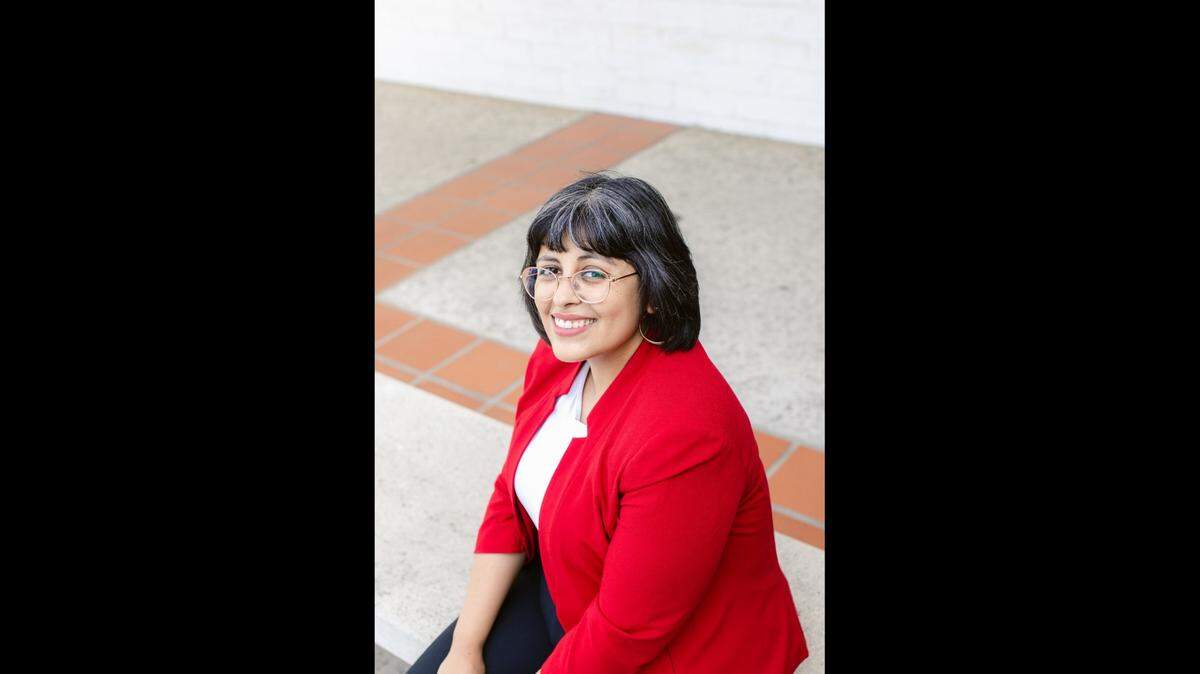
Adrienne Garcia-Specht
Please describe your background with the district:
I grew up in Grover Beach and went to Arroyo Grande High School before attending college at Syracuse University. I have lived in Trustee Area 4 since 2013.
What is your vision for what your district should look like in five years? 10 years?
I want Cuesta College to be a shining example of a California community college. We need to be a place where all students feel respected and valued, and where all students in the county see Cuesta as an excellent option for them no matter their educational and career goals. I hope to see a robust campus life where students can build community.
What do you believe is the most important issue facing your district today, and what will you do to address it?
As the representative for Nipomo, Oceano and Arroyo Grande, I will address the issue of access to Cuesta College for South County residents. Right now, I know that for many people in my district, public transportation to Cuesta’s main campus has limited schedules and can take over an hour. That’s a big challenge for many of our students. In general, I will listen to my constituents about their needs, and we will find solutions that address the immediate problems and build sustainable long-term improvements.
Is the school district doing enough to help address learning loss that occurred during the COVID-19 pandemic? Is there anything you would like to improve?
The pandemic exacerbated a lot of resource gaps that already existed. The lingering effects include food insecurity, housing insecurity and mental health struggles for both students and faculty and staff. These issues don’t exist in a bubble — whatever is happening in our community is happening at Cuesta College, and the college itself has been a place of support. We just have to keep our attention and financial resources on this, as the challenges will not disappear. I want to commend the resilience of the Cuesta College community, who, despite the challenges of the pandemic, continued to show up for one another.
Do you think the district should change its policies to better support LGBTQ+ students, students of color and/or other marginalized groups in the district? If so, how?
Supporting groups that have been systematically marginalized in higher education is one of my top priorities. Community colleges are places where all students should be able to thrive and achieve their educational and career goals. This is already a fundamental part of Cuesta College’s mission statement. I hope to support the good work being done at Cuesta College, which includes support for student groups, resources for faculty and staff who mentor marginalized groups, improving mental health and basic needs access and much more. I think one thing we can look closely at is whether the faculty and staff at Cuesta are representative of the demographics of the students at the college, and if not, why? How can we recruit and retain more faculty and staff of color?
What do you think are three other issues facing the district you’d like to address while on the board?
One primary responsibility of a board member is to ensure that Cuesta continues to make sound financial decisions. This is especially important today, as we’re seeing frequent changes to the state’s funding formula and a decline in enrollment compared to a few years ago. A wise allocation of resources is the best way to ensure that Cuesta can keep providing exceptional education for our community.
Second, we need to make sure that we are recruiting and retaining high-quality faculty and staff who reflect Cuesta’s student body. We are continually asking our community colleges to provide additional support and resources to our students, and we can’t do this without investing in the employees of the college.
Finally, we need to proactively remove barriers for students, whether it is systemic barriers preventing them from reaching their goals, challenges with meeting their basic needs, or the increasing mental health struggles exacerbated by the pandemic.

Peter Sysak
Please describe your background with the district:
Sixteen years as a manager and campus police chief. Wife is a graduate of RN program.
What is your vision for what your district should look like in five years? 10 years?
The college district has for years neglected the needs of the South County. With the largest K-12 district, three high schools and over 10,000 students, the college only offers a very minimum program of three to four classes in an 80-year-old building not suited to any academic environment. With over one third of the county population, the South County needs to have their tax dollars count.
What do you believe is the most important issue facing your district today, and what will you do to address it?
Enrollment has declined over 15% during the COVID epidemic and more that 2,000 students from its high enrollment of 10,000 students. Well over 2,000 students now leave the district to attend other community colleges because programs are not offered at Cuesta College.
Is the school district doing enough to help address learning loss that occurred during the COVID-19 pandemic? Is there anything you would like to improve?
The district has provided funds for transportation, food, housing, tuition, books and other student needs.
Do you think the school district should change its policies to better support LGBTQ+ students, students of color and/or other marginalized groups in the district? If so, how?
The board of trustees passed by resolution support for the chancellor’s call for action to address diversity, equity and inclusion. It is unlawful to discriminate based on race, ethnicity, gender and sexual orientation.
What do you think are three other issues facing the district you’d like to address while on the school board?
Growth in the South County to address enrollment, support in the South County for the largest Hispanic community in our district that is under-served and a bachelor’s program to serve our students.
%20Cropped.jpg)