SLO County wants judge to reconsider ruling it overcharged for election recount. What’s next?
A judge will reconsider if the county overcharged the woman who requested a ballot recount in the 2022 District 2 San Luis Obispo County Board of Supervisors election.
In her January ruling, Judge Rita Federman wrote that San Luis Obispo County Clerk-Recorder Elaina Cano did not adequately prove that $5,088 of “extended hours” worked by salaried employees were actual costs for the recount. The county originally charged Darcia Stebbens, the recount requester, more than $53,000 to pay for the recount.
On Friday, the county submitted a motion in San Luis Obispo Superior Court asking the judge to reconsider her decision to remove the extended hours from the original recount bill, saying county code allows salaried employees to work outside of a regular 8-hour work day and their labor performed at any time during the recount should be compensated.
Darcia Stebbens, the recount requester, can file a response to the motion by March 6.
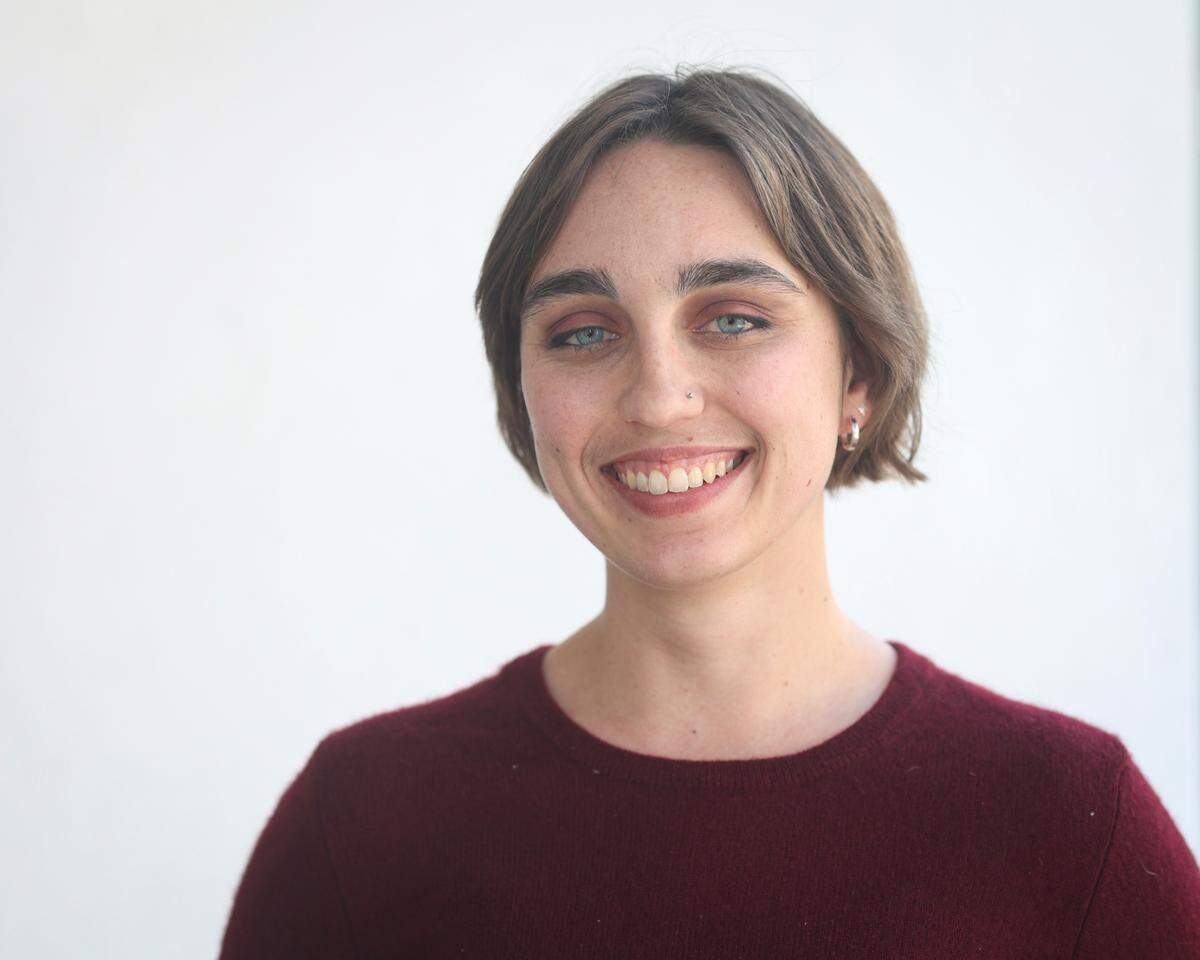
On Wednesday, Stebbens told The Tribune she supports re-opening the case — but she’s not concerned with the question of extended hours.
Instead, Stebbens wants the judge to remove all hours worked by salaried employees from her bill, as the county would have paid them whether or not they worked on the recount, she said.
“If she wants to reconsider, then I think that’s great,” Stebbens said.
After March 15, the judge will either schedule a hearing where the parties can present their arguments, or she will make a decision on the submitted briefs.
SLO County asks judge to reconsider recount ruling
The person who requests the recount must cover all actual costs “that would not have been incurred but for the requester’s particular recount request,” including the election official’s staff hours, according to the California Code of Regulations.
The judge disputed 50 hours worked by three employees outside of the regular 8-hour work day and on the weekend, according to her original decision.
Cano proved that her office needed to work overtime to finish the recount “in a timely manner,” but she did not prove that it can be considered part of “actual costs” for the recount, Federman wrote.
Staff were not paid overtime for the extended hours, and “there was no evidence of any other costs incurred by the county for these extended hours,” Federman said. “Thus, it is not possible to conclude that the county incurred any ‘actual costs’ for this additional time.”
Federman ordered the county to delete those hours from the bill, which meant that Stebbens won’t have to pay the original outstanding balance of $4,448.
The County Counsel’s Office, however, argued in its motion that the recount requester should cover “extended hours” worked by salaried staff.
State law does not prevent the Elections Office from recovering the cost of staff hours depending on what day or time the employee works, the motion said.
According to county code, salaried employees “do not have defined working hours,” and are permitted to work a total of 80 hours during a two week period at any day or time, the motion said.
The San Luis Obispo County Board of Supervisors also passed a resolution that said “salaried employees will be expected to work the necessary hours to perform their duties and responsibilities,” according to the motion.
The judge has a variety of options. She could choose to reverse her decision and add the extended hours back into the recount bill. She could also deny the motion outright, leaving the bill as it stands.
Conversely, the county proposed a compromise: if the judge rejects that salaried employees can work 80 hours within a two week period at any time, she could consider extended hours as any time an employee worked more than 40 hours a week. In that case, the judge could then remove only $1,756 from the bill, the motion said.
This would be for three employees who worked 18 hours outside of the 40-hour work week, according to the motion.
From Dec. 18 to Dec. 24, Cano worked five hours outside of the 40-hour work week, while Deputy Director Clerk-Recorder Melanie Foster worked an excess of six hours and Deputy Director Registrar Melissa Lile an excess of seven hours, according to the motion.
This story was originally published February 15, 2024 at 4:19 PM.