SLO County voter guide: How Adam Hill and Stacy Korsgaden compare on key issues
Editor’s note: This is the second in a series of three voter guides on the San Luis Obispo County supervisor races.
Are you a voter trying to chose between District 3 incumbent Supervisor Adam Hill and challenger Stacy Korsgaden?
To help you make your choice, we sent out questionnaires to the candidates to compile their positions on key issues.
The San Luis Obispo County Board of Supervisors makes decisions that shape your community, the environment and economy by approving or denying development, setting rules for how water and land is used and overseeing county services.
Hill is one of two liberals on the board that has been led by a conservative majority for several years.
Adam Hill is a liberal Democrat seeking a fourth term on the board. He is a former instructor at Cal Poly and as supervisor, co-chaired the county’s first public-private Economic Development Project. Major donors to his campaign include unions, developers and builders, wineries, and a PG&E administrator.
His website is adamhill.us. His stated priorities are preparing for the closure of the Diablo Canyon nuclear power plant including safety, land use and the economy, promoting sustainable water management, addressing homelessness, attracting good-paying jobs, and protecting open spaces and trails.
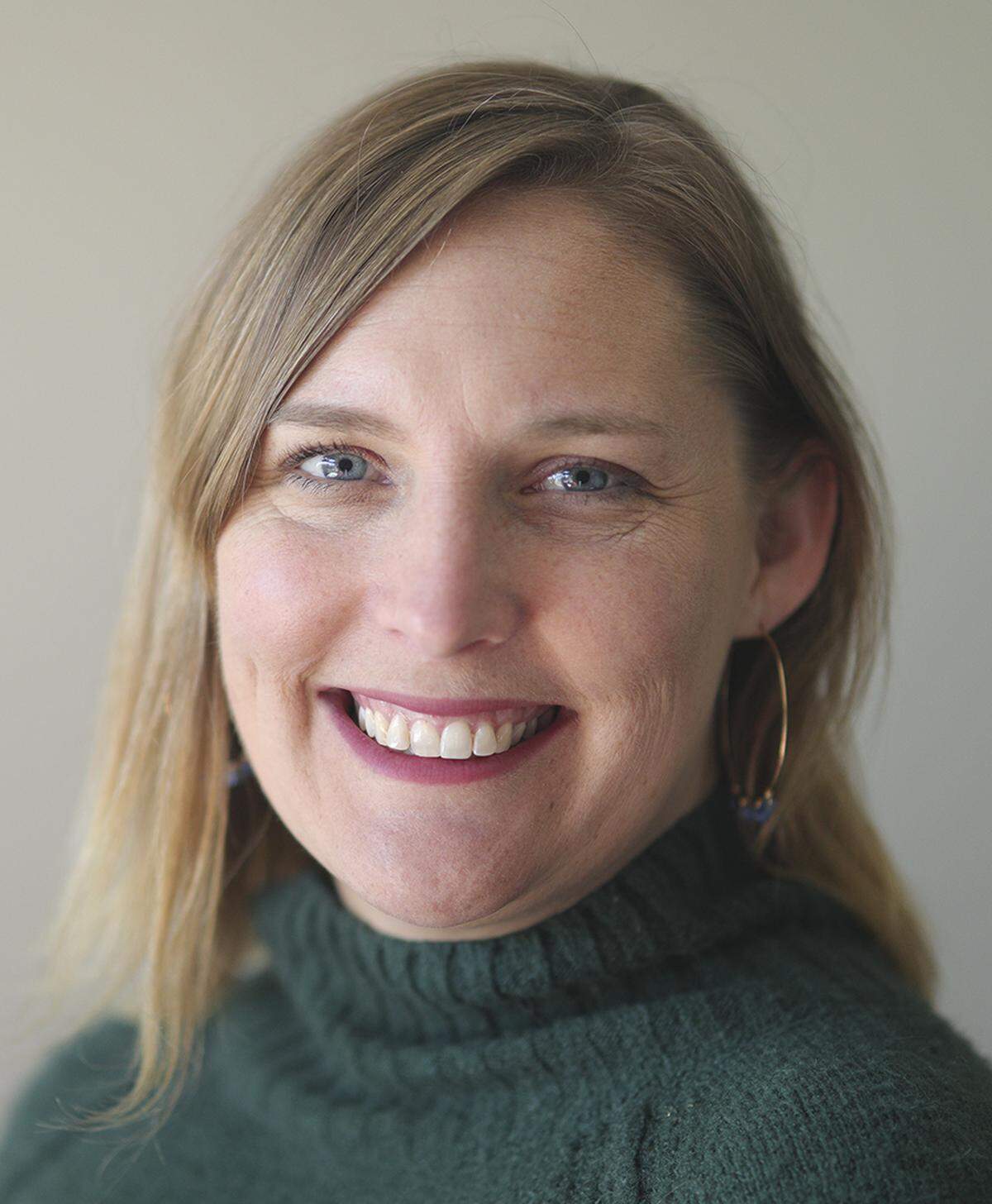
Stacy Korsgaden, who is registered Republican, describes her politics as non-partisan. She is a small business owner and insurance agent, and former chair of the Boys and Girls Club of South San Luis Obispo County and the South County Chambers of Commerce. Major donors to her campaign include Realtors, the Lincoln Club of SLO County and SLO Cattlemen’s PAC.
Her website is stacyforsupervisor.com. Her stated priorities are solutions for homelessness, civility in local government, economic development, and protecting local businesses.
Here’s where they stand on some of the most important issues facing the county, in their own words:
Affordable housing
Hundreds of families in San Luis Obispo County are on waiting lists to move into low-income housing; less than a quarter of county residents can afford to buy a median-priced home; and most renters in the county struggle to pay their rent. Businesses have moved out of the county because they can’t pay employees enough to cover basic living expenses.
Hill says, “we have to subsidize affordable housing. There is no other way it gets built.” He points to the success of developer fees used to help fund projects through Peoples’ Self-Help Housing.
Korsgaden said, “I would absolutely do the opposite,” meaning she wants to cut fees. She supports policies to incentivize builders to build smaller homes in higher densities.
Q: Two years ago, a coalition of business owners, housing nonprofits and developers recommended the county invest $2 million to $4 million a year to support affordable housing projects. Where should money come from to support affordable housing projects?
Hill: Developer fees and a municipal housing bond.
Korsgaden: Funding isn’t needed. Instead, lower fees and regulations and encourage innovation like tiny homes and workforce housing created by employers.
Q: Should the county further limit vacation rentals in some communities?
Hill: Yes
Korsgaden: No
Q: Inclusionary Housing rules ask developers to include affordable units in their projects or pay a fee that helps funds housing projects. Should developer fees be reduced?
Hill: No
Korsgaden: Yes
Q: Should some environmental regulations be waived for housing development?
Hill: Yes
Korsgaden: Yes
Homelessness
The number of families and veterans in the county that do not have safe and consistent shelter has grown over the last decade, creating instability and health and safety risks for those individuals and the larger community.
During his time on the board, Hill supported the effort to create a new regional homeless services center and the 70 Now program to provide services to chronically homeless, and voted to allocate $4.8 million in grant funding to groups around the county that seek to reduce homelessness. He supports moving forward with county plans to build more housing that include supportive services.
He also serves on a Governor’s homelessness task force and provided a list of recommendations to increase the number of psychiatric beds and eliminate barriers to housing and support regional housing centers.
Korsgaden said the county should call a state of emergency and provide temporary emergency shelters in three or four locations on county land that will be a bridge to services, and create an ordinance prohibiting public camping, creating a safe environment for the unsheltered.
Q: Should the county pay for preventive services, like rent vouchers?
Hill: Yes
Korsgaden: No
Q: Should the county provide land to temporarily house hundreds of people?
Hill: Yes
Korsgaden: Yes
Q: Should the county increase law enforcement efforts, such as removing homeless encampments and issuing tickets?
Hill: No
Korsgaden: Yes
Job creation and the economy
San Luis Obispo County is bracing for the economic impact of PG&E shuttering the Diablo Canyon nuclear power plant by 2025. The plant is the second largest employer in the county with about 1,500 workers, and its closure could result in an economic hit to the county as high as $800 million.
Q: How should the county attract head-of-household jobs to the area?
Hill: A unified regional approach (as embraced by the Hourglass Project), with incentives for building needs, and connection between the county and Cal Poly’s key programs (like HotHouse, supported by the city and county of San Luis Obispo and the Cal Poly Center for Innovation and Entrepreneurship.)
Korsgaden: Use valuable infrastructure already at Diablo Canyon, encouraging another power-related company to move there. Also, protect jobs that are already here.
Q: Should the county offer tax incentives to attract employers to the region?
Hill: In few cases
Korsgaden: Yes
Q: Would you support expanded oil drilling in the county?
Hill: No
Korsgaden: Yes
Q: What role should the cannabis industry play in the county’s economy in the next few years?
Hill: It could play a key role if we processed cultivation applications well and allowed retail businesses that create revenue. (Hill has been critical of the board majority’s handling of cannabis.)
Korsgaden: It is a legal crop. Land use rules should provide opportunity and, at the same time, protect our established agriculture and residents.
Q: If the vote were today, would you support amending the county cannabis ordinance to allow storefront dispensaries in some areas?
Hill: Yes
Korsgaden: Yes
Climate change
The region faces several risks from climate change, including extreme heat, increases in extreme weather events like drought, and sea-level rise. San Luis Obispo County emerged as a leader in action and adaptation plans a decade ago, but dedicated resources have declined.
Hill said the three supervisors who have majority control over the board have been “pushing us backward.” In 2015, he voted to approve funding projects that help implement small-scale solar projects and energy efficiency audits and retrofits while several board members voted against it. At the time, he said he was embarrassed by their actions.
Korsgaden said the main focus should be housing, jobs, infrastructure and the unsheltered, adding that middle-class residents would like to leave the state and county because of high costs, regulations and controls — a result of not focusing on priority issues.
Q: Community Choice Energy provides customers with an option to choose an energy supplier other than PG&E. The energy is delivered through PG&E infrastructure, but allows customers to increase demand for renewable energy sources in the energy mix. The county board majority voted against the program to wait for more information about price. If the vote were today, would you support Community Choice Energy?
Hill: Yes
Korsgaden: No
Q: Should the county invest more resources into the Climate Action Plan, prioritize reducing greenhouse gases and encourage renewable energy?
Hill: Yes
Korsgaden: No
About this voter guide
The Tribune created this voter guide to clearly and accurately communicate the candidates’ positions on some of the most pressing issues facing our county residents. It was created in response to requests from readers to explain the differences between the candidates.
Over the last two months, The Tribune received 200 poll responses from residents across the county about what local issues are most important to them this election. We identified the most common topics that came up, identified relevant policy questions, and then asked candidates to fill out a questionnaire.
This story was originally published February 27, 2020 at 2:15 PM.