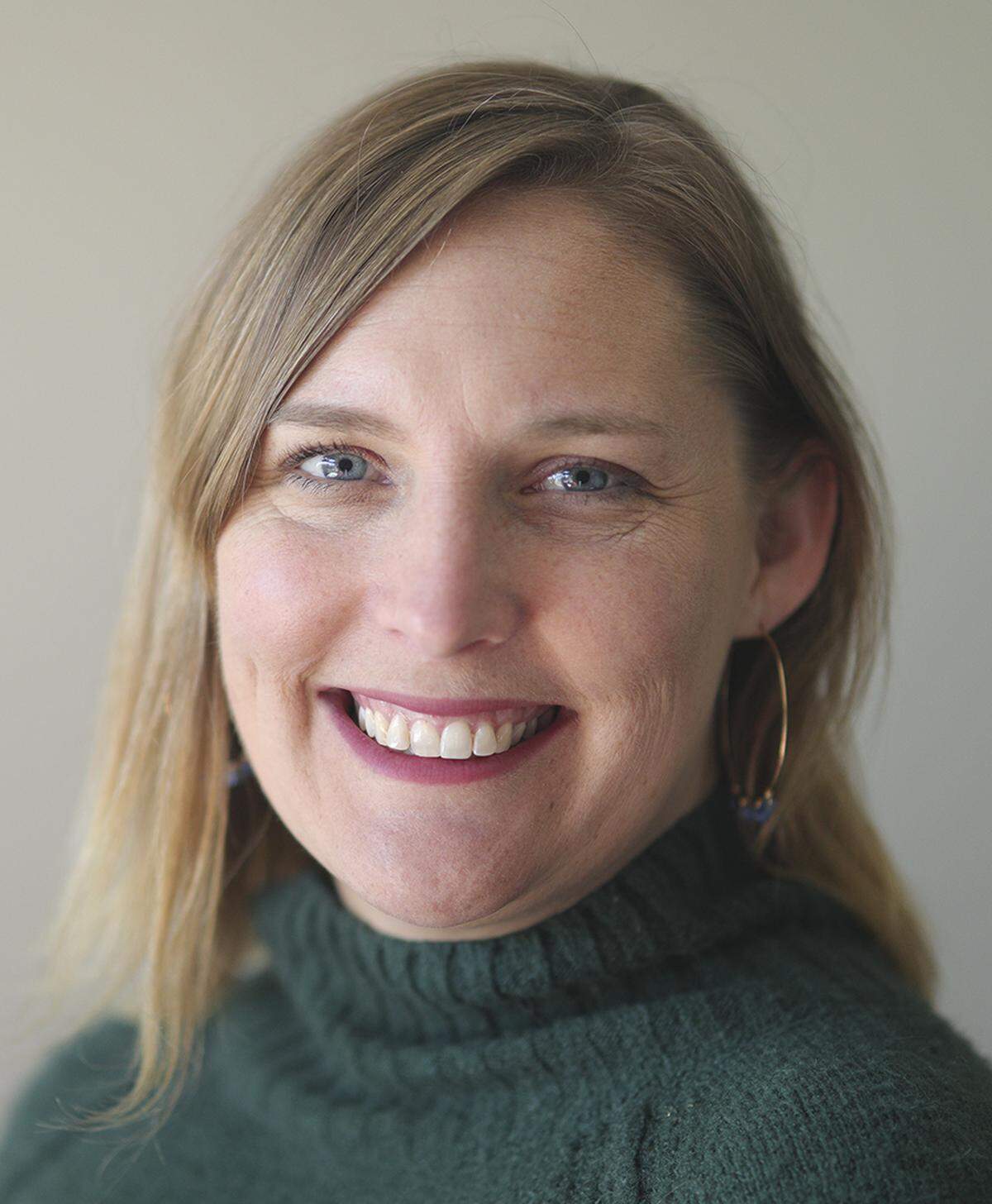
SLO County voter guide: Where Debbie Arnold and Ellen Beraud stand on the key issues
Editor’s note: This is one in a series of three voter guides on the San Luis Obispo County supervisor races.
Are you a voter trying to chose between District 5 incumbent Supervisor Debbie Arnold and challenger Ellen Beraud?
To help you make your choice, we sent out questionnaires to the candidates to compile their positions on key issues.
The San Luis Obispo County Board of Supervisors makes decisions that shape your community, the environment and economy by approving or denying development, setting rules for how water and land is used and overseeing county services.
The District 5 race will likely be the closest, and could flip the majority of the board to liberal. The board has been led by a clear conservative majority in the last four years.
Debbie Arnold is a conservative Republican seeking a third term on the board. She is a former preschool teacher, former legislative aide at the county supervisor’s office and district representative for the State Senate, and a farmer and rancher. Major donors to her campaign include oil companies, developers, wineries, ranchers and farmers. Her website is debbieforslo.com.
Her stated priorities are public safety, protecting open space and a rural way of life, a healthy local economy that creates jobs, and supporting smaller government by eliminating programs that don’t work.
Ellen Beraud is a liberal Democrat looking to unseat Arnold. She is a former City Council member and mayor of Atascadero, she served on the Atascadero Planning Commission, and she is a local small business owner and a dietitian in the healthcare industry. Major donors to her campaign include cannabis operators and investors, unions and wineries. Her website is ellenforsupervisor.com.
Her stated priorities are next-generation housing, sensible cannabis regulations, improving roads and infrastructure, sustainable groundwater management, affordable childcare and opposition to the proposed Santa Margarita Gravel Mine.
Here’s where they stand on some of the most important issues facing the county, in their own words:
Affordable housing
Hundreds of families in San Luis Obispo County are on waiting lists to move into low-income housing; less than a quarter of county residents can afford to buy a median-priced home; and most renters in the county struggle to pay their rent. Businesses have moved out of the county because they can’t pay employees enough to cover basic living expenses.
Arnold supports creating housing by reducing building fees and creating opportunities for developers to “build by design.”
Beraud said “we can’t build our way out of this” crisis and we need private-public partnerships to create revenue streams for low-income housing projects from building fees on larger developments.
Q: Two years ago, a coalition of business owners, housing nonprofits and developers recommended the county invest $2 million to $4 million a year to support affordable housing projects. Where should money come from to support affordable housing projects?
Arnold: We can currently meet the regional housing needs through current development impact fees and property tax revenue. However, as we have seen with many communities, there must be a willingness to cut red tape and regulation if houses are to be affordable.
Beraud: The county should support a bond measure to fund affordable housing. We cannot eliminate developer fees until other funds are identified and secured. A tiered fee structure with a higher charge per square foot for larger homes and little to no impact fees on smaller homes incentivizes workforce housing development. The county should explore programmatic environmental reviews to streamline the process.
Q: Should the county further limit vacation rentals in some communities to make housing available to residents?
Arnold: I need more information.
Beraud: Yes
Q: Inclusionary Housing rules ask developers to include affordable units in their projects or pay a fee that helps funds housing projects. Should developer fees be reduced?
Arnold: Yes
Beraud: I need more information
Q: Should some environmental regulations be waived for housing development?
Arnold: Yes
Beraud: I need more information
Homelessness
The number of families and veterans in the county that do not have safe and consistent shelter has grown over the last decade, creating instability and health and safety risks for individuals and the larger community.
During her time on the board, Arnold supported creation of the 70 Now program to provide services to the chronically homeless, as well as supported building the 40 Prado homeless services center in San Luis Obispo.
In spring 2019, Arnold voted against the county allocating $2.6 million in state grant funding to create transitional housing and a youth dormitory in a residential area in Grover Beach, in response to opposition from South County neighbors.
Beraud said the county isn’t doing enough to address homelessness and more county money needs to be allocated to mental health and addiction services.
Q: Should the county pay for preventive services, like rent vouchers?
Arnold: No
Beraud: Yes
Q: Should the county provide land to temporarily house hundreds of people?
Arnold: Yes
Beraud: Yes
Q: Should the county increase law enforcement efforts, such as removing homeless encampments and issuing tickets?
Arnold: Yes
Beraud: No
Job creation and the economy
San Luis Obispo County is bracing for the economic impact of PG&E shuttering the Diablo Canyon nuclear power plant by 2025. The plant is the second largest employer in the county with about 1,500 workers, and its closure could result in an economic hit to the county as high as $800 million.
Q: How should the county attract head of household jobs to the area?
Arnold: Support policies that provide affordable housing where the jobs are and continue to support incubator projects like the Hot House and shared working space projects that help new businesses start up across the county.
Beraud: I will support the efforts of the Hourglass Project. We should not stifle new business opportunities like cannabis and hemp, and we should promote community workforce agreements that allow for more local jobs for local people.
Q: Should the county offer tax incentives to attract employers to the region?
Arnold: Yes
Beraud: In a few cases
Q: Would you support expanded oil drilling in the county?
Arnold: No
Beraud: No
Q: What role should the cannabis industry play in the county’s economy in the next few years?
Arnold: Legal cannabis activities can enhance tax revenue for the county, but it must be zoned and permitted to be compatible with other existing land uses.
Beraud: Cannabis is a part of a diverse economy. I support local entrepreneurs in cannabis because they are as important to our success as anyone. We need to find the right balance and proper placement for cannabis; a well-crafted ordinance helps guide that.
Q: If the vote were today, would you support amending the county cannabis ordinance to allow storefront dispensaries in some areas?
Arnold: No
Beraud: Yes
Climate change
The region faces several risks from climate change, including extreme heat, increases in extreme weather events like drought and sea-level rise. San Luis Obispo County emerged as a leader in action and adaptation plans a decade ago, but dedicated resources have declined.
Arnold: I’m not going to argue that the climate has changed, but to make radical changes that affect people’s lives every day financially, I’m not jumping on the bandwagon. I think we have so many more important things right in front of us on our plate today to consider than what does the far-out future look like. The last drought cycle was an example of weather patterns or climate change that absolutely had a detrimental effect. That woke us all up to say we need to be focused on water.
Beraud: To not embrace the future is to reject the concerns of the next generation. To say you’re not ready to accept it is just delaying taking action. We can’t delay taking action at this point. Wildfire is a big risk, we expect drought to continue and we need to make sure emergency services are in place. In addition to updating and bolstering our Climate Action Plan, we should adopt programs that decrease our reliance on carbon-emitting energy production while supporting investment in renewable energy production right here in our county.
Q: Community Choice Energy provides customers with an option to choose an energy supplier other than PG&E. The energy is delivered through PG&E infrastructure, but allows customers to increase demand for renewable energy sources in the energy mix. The county board majority voted against the program to wait for more information about price. If the vote were today, would you support Community Choice Energy?
Arnold: No
Beraud: Yes
Q: Should the county invest more resources into the Climate Action Plan, prioritize reducing greenhouse gases and encourage renewable energy?
Arnold: No answer
Beraud: Yes
The Paso Robles groundwater basin
During an extreme drought in the last decade, groundwater levels in the Paso Robles basin dropped rapidly, causing shallow wells to fail. The state required water users to work collaboratively to come up with a plan to sustainably manager the aquifer, which may require reducing pumping by 20%.
The county and other water-user representatives did submit a plan to the state that asks irrigated agriculture to reduce pumping by 20%, but it is not without controversy.
Arnold was criticized and praised for not allowing a group of farmers to have their own representative on the decicion-making committee, and for supporting a plan that places the burden solely on irrigated agriculture. She said it was to protect other water users. Beraud has criticized Arnold for failing to put into place a plan with meaningful oversight.
Arnold: We need to reduce pumping to achieve sustainability. The overpumping situation was a result of a large expansion of irrigated agriculture in the last decade, and I believe sustainability can be achieved through better management practices.
Beraud: We need a groundwater sustainability plan with firm benchmarks and a comprehensive set of solutions, it needs to be developed in cooperation with the local agriculture and farming community. Unfortunately, current leadership has failed to develop a plan that will actually achieve this.
Q: Do you support metering individual wells used to irrigate agriculture?
Arnold: I need more information
Beraud: Yes
Q: Who should be responsible for reducing groundwater pumping?
Arnold: All major water users, including cities, community service districts and irrigated agriculture
Beraud: Everyone
Q: Who should pay for implementing the plan to manage the groundwater sustainably?
Arnold: All major water users, including cities, community service districts and irrigated agriculture
Beraud: All water users in the basin
About this voter guide
The Tribune created this voter guide to clearly and accurately communicate the candidates’ positions on some of the most pressing issues facing our county residents. It was created in response to requests from readers to explain the differences between the candidates.
Over the last two months, The Tribune received 200 poll responses from residents across the county about what local issues are most important to them this election. We identified the most common topics that came up, identified relevant policy questions, and then asked candidates to fill out a questionnaire.
This story was originally published February 25, 2020 at 6:47 PM.