SLO County failed to stop illegal fireworks despite efforts, grand jury says
A year-long San Luis Obispo County grand jury investigation found that the county failed to curtail the use of illegal fireworks — leading to an environment of increased fire risk and safety hazards due to a patchwork of policies and insufficient resources.
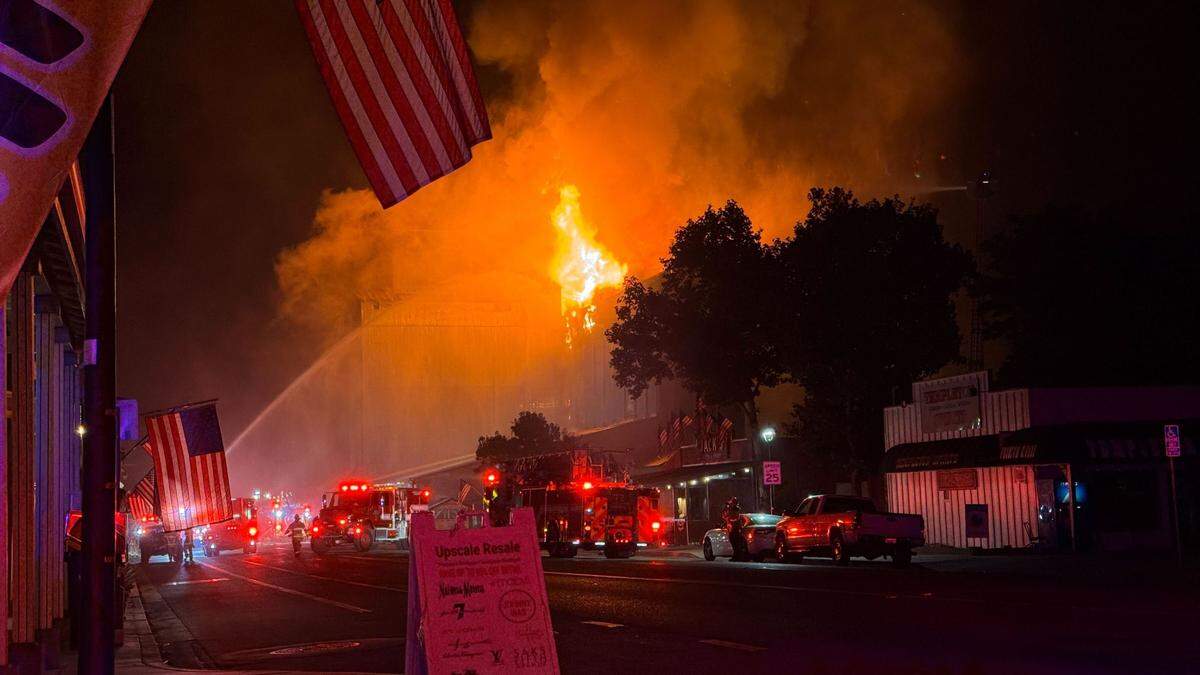
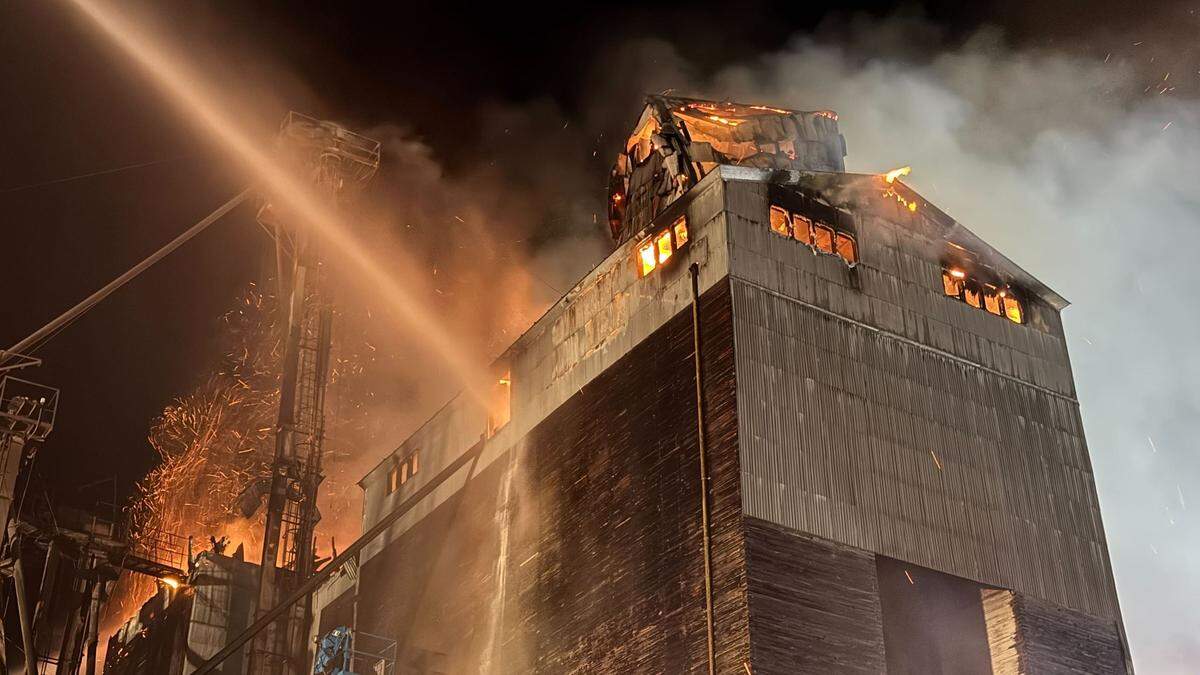
The grand jury created its report, “Fireworks: One Spark Away from Disaster?” to look into fireworks regulations at the county and local level. The report, released Tuesday, arrives nearly a year after four juveniles ignited illegal fireworks and sparked a massive blaze that destroyed the historic Templeton Feed & Grain building in July 2025.
Despite widespread efforts to get rid of illegal fireworks across the county, the report said they continue to be used, “even in known hotspots,” at the same time the potential risks have skyrocketed amid hotter, drier temperatures caused by climate change.
The grand jury also found that a medley of different fireworks rules around the county — determined by the city or community service district — could lead to public confusion about what’s legal to use. While fireworks are banned in most unincorporated parts of the county, Arroyo Grande and Grover Beach and community service districts San Miguel and Templeton do allow state-certified fireworks on some days of the year.
Meanwhile, the county’s law enforcement agencies and fire protection services have not set aside enough resources to fully stop people from using the explosives, the report said.
Throughout its investigation, the grand jury interviewed local fire and law enforcement officials and a county supervisor, as well as sifted through government meetings and documents ranging from local ordinances to fire and police incident statistics and local, county and statewide fireworks codes.
Fireworks pose increased fire, health and economic threats
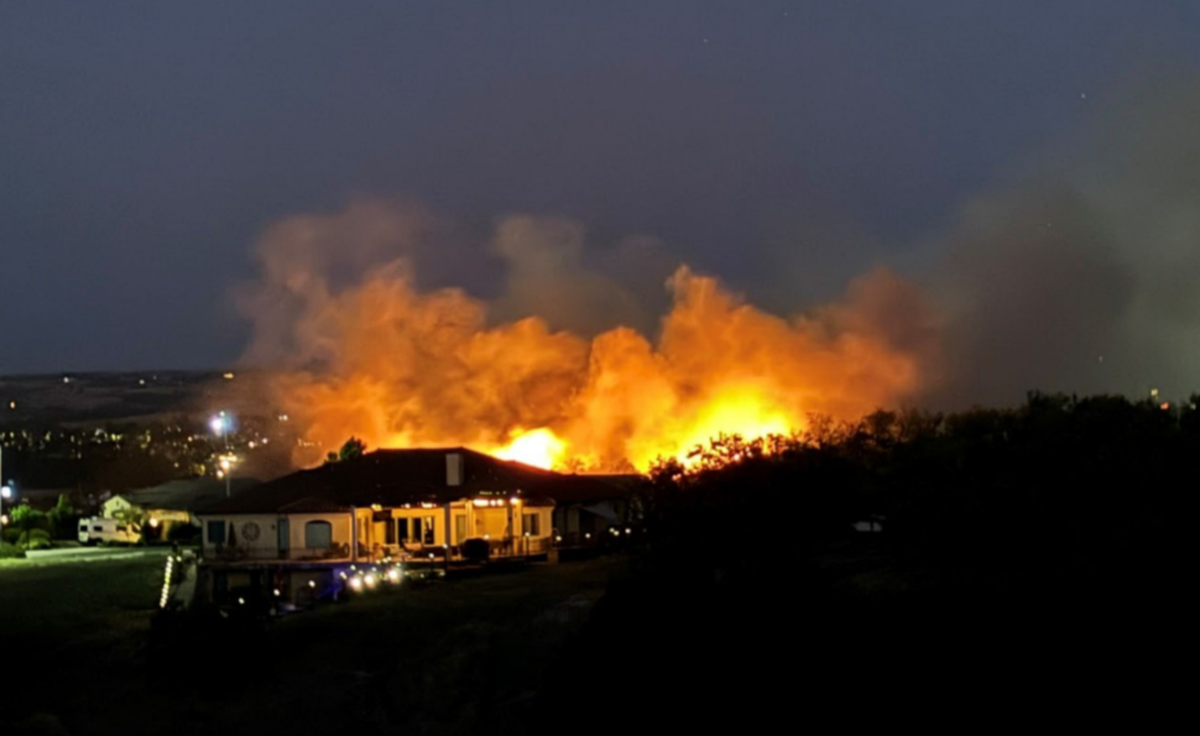
In its report, the grand jury found that San Luis Obispo County has been experiencing longer, hotter summers — conditions that are more conducive for wildfires, especially when paired with firework sparks around the Fourth of July.
“It may be time for public agencies to increase enforcement of the use of illegal fireworks and to reconsider whether legal fireworks should be allowed anywhere in the county,” the report said.
The report determined that fireworks have “consistently ignited fires” across the county, with an average of nearly two fires per year throughout the past six years. The total cost of lost property and content add up to nearly $11 million in SLO County during that period, according to statistics from the Office of the State Fire Marshal.
The grand jury pointed to the Templeton Feed & Grain fire, sparked on July 4, 2025, with an estimated cost around $700,000, as a prime example of how illegal fireworks can quickly endanger a local community, “with football-sized embers flying onto rooftops of neighboring businesses and into nearby vegetation.”
The report also said that smoke and noise pollution from fireworks threaten both humans and animals. Among people, fireworks’ snap, crackle and pops can reach decibels that cause irreversible hearing loss and emotional trauma, especially for some veterans and those with auditory sensitivities.
“A single loud blast or explosion that lasts for less than a second can cause immediate and possibly permanent hearing loss,” the report said.
It also said that firework fumes carry heavy metals and chemical pollutants that can cause respiratory irritation, asthma attacks and heart palpitations if inhaled.
As for local animal impacts, the grand jury investigation found a Paso Robles family lost a prized, three-month-old foal on July 3, 2025. The horse, Rosie, started “frantically running and jumping after hearing nearby fireworks,” eventually galloping into a pipe fence that broke her neck in several places, according to the report.
More pets go missing on the Fourth of July than on any other day, the report said, and a Shelter Animals Count analysis also shows that the holiday brings in the highest amount of stray dog intakes each year.
Social host ordinances show potential but not yet proven effective
The report found that several new social host ordinances aim to reduce the use of illegal fireworks in the county — but even though the new laws are a “potentially valuable” tool, they have not yet been proven effective.
Social host ordinances make it so owners or renters can be cited if illegal fireworks are set off on their property. In SLO County, individuals can be fined up to $1,000 per violation, even if they did not personally ignite the explosive. Each discharge is treated as a separate offense. Under the new ordinance, parents and guardians are also liable for violations committed by their minors.
The ordinances show potential for reducing, “the improper use of fireworks, especially when combined with the use of drones for enforcement,” the report said.
However, the grand jury determined that local law enforcement and fire agencies still need more resources and staffing to adequately limit illegal fireworks in the county.
On the Fourth of July, one SLO County community had only six law enforcement officers assigned to an event with about 10,000 attendees, while another area experienced over 200 calls in an hour at one dispatch unit on the holiday.
The grand jury recommended that the county Board of Supervisors works with fire and law enforcement officials, as well as cities and community service districts to “reevaluate whether all fireworks should be banned throughout the county including the four locations where they are now allowed.” It suggested distributing educational materials on the dangers, laws and penalties surrounding illegal fireworks use as well.
The grand jury also urged the board to annually evaluate setting aside more resources to allow for surge support to suppress fireworks during peak times.
County supervisors are required to respond to some of the jury’s findings and recommendations within 90 days, according to the report.