SLO County is getting a new sheriff’s substation. Here’s where and when
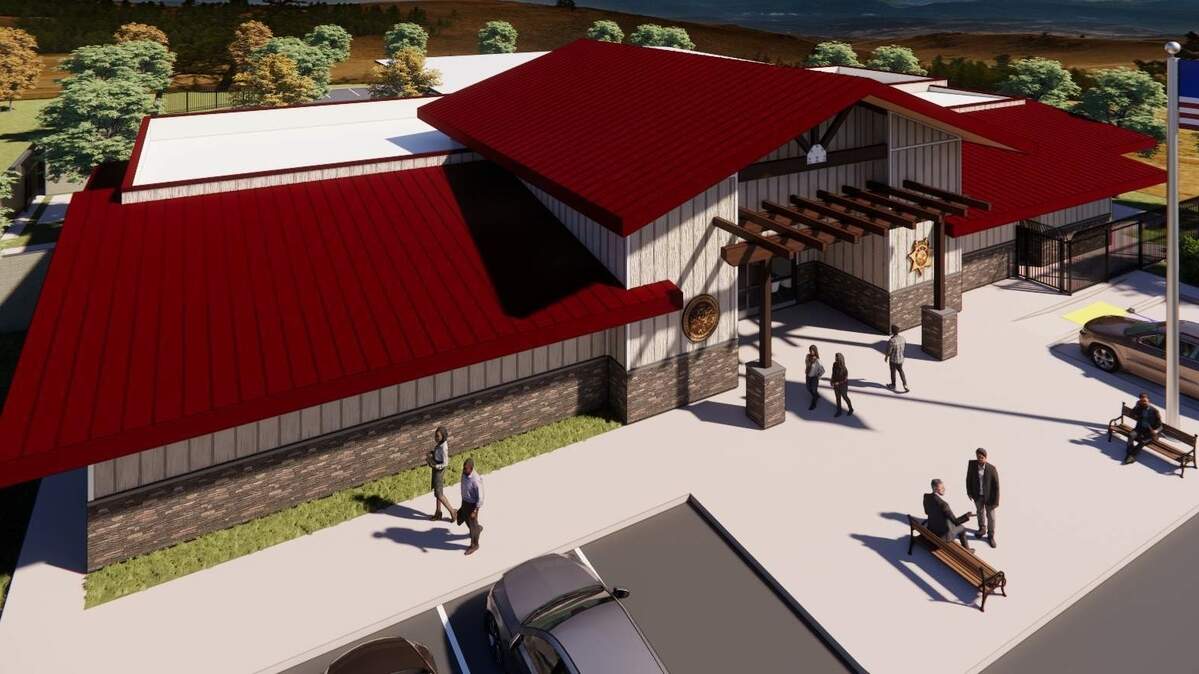
San Luis Obispo County approved a contract to build a new sheriff’s substation in Nipomo on Tuesday.
The Sheriff’s Office substation will be built at the intersection of West Tefft Street and Carillo Street in Nipomo. Crews are expected to break ground on the project in 2027, with plans for the building to be operational in 2028.
Once finished, the $14.4 million project will substantially expand the Sheriff’s Office’s operating capacity in the South County. It will help improve response times, as well as strengthen field operations and service delivery, according to a news release from Supervisor Jimmy Paulding’s office.
“This project is about making sure our deputies have the resources and infrastructure they need to serve South County effectively,” Sheriff Ian Parkinson said in the release. “Nipomo has grown significantly, and this substation will allow us to better respond to emergencies, support our personnel in the field, and provide a higher level of service to the community.”

The new substation will include secure parking for patrol vehicles, unsecured parking for visitors, office space, interview rooms, a multi-purpose room, community services rooms, administration offices, criminal investigation rooms, volunteer patrol rooms and a report room.
It will also contain a fitness room, locker rooms with showers, break rooms, staff restrooms, public restrooms, armory, access controls, utility and equipment rooms, storage space and a kitchen, The Tribune previously reported.
The SLO County Board of Supervisors unanimously approved a contract awarded to Diani Building Corp., after a competitive selection process, the release said. A majority of funding to construct the project was approved in March 2025.
“For years, South County residents have been asking for increased public safety resources, and today we are delivering on that commitment,” Paulding said in the release. “This substation represents a major investment in community safety, faster response times, and stronger support for the men and women who serve and protect our neighborhoods every day.”