SLO County is way behind on its state affordable housing goals. What it needs to do to catch up
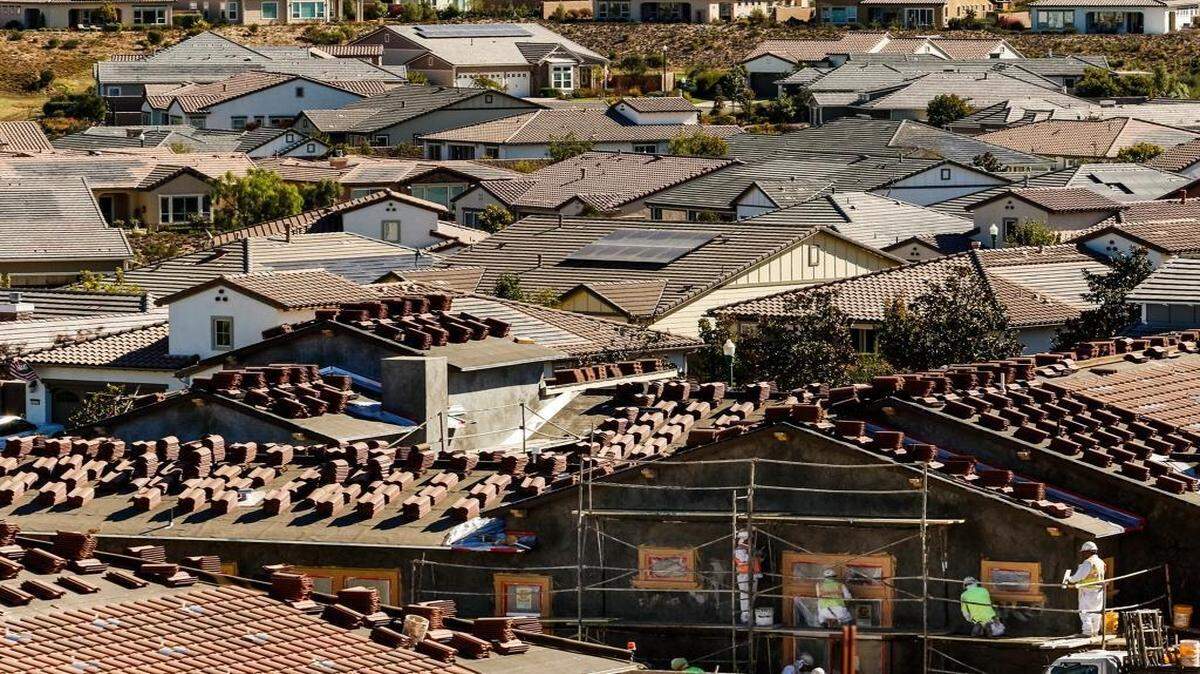
San Luis Obispo County’s affordable housing shortage means it needs to green-light more than 1,600 new units in the next five years, and the Board of Supervisors is taking steps to reach that goal.
How daunting is that target? It’s five time the number the county has permitted in the last five years.
Only 5.4% of households in the county can afford to buy a median-priced home, SLO County Planning and Building Department division manager Cory Hanh told the board at Tuesday’s meeting. Meanwhile, 66% of jobs in San Luis Obispo County pay less than $50,000 per year, which is the minimum amount a household needs to afford to buy a newly built home in the region, he said.
The county is so far from meeting its state-mandated affordable housing goals, Hanh said, that it must permit the development of another 1,604 affordable housing units by the end of 2028.
On Tuesday, the Board of Supervisors took a series of actions to facilitate the development of more affordable housing — from requesting the creation of a down payment assistance program to proposing changes to land use rules.
Here’s a look at the county’s housing goals and how the board plans to support the development of more housing.
SLO County not on track to meet state affordable housing goals
The state’s Regional Housing Needs Allocation requires SLO County to build a total of 3,256 housing units in the decade starting Dec. 31, 2018, 1,891 of which must meet affordability criteria.
More than halfway through the decade, though, the county has only permitted 287 affordable units and 1,485 above moderate income units.
The state sets affordable housing goals for four income categories: above moderate income, moderate income, low income and very low income, Hanh said.
The county has already exceeded its goal for the above moderate income category, permitting 1,485 units when the state only required 1,365.
However, the county is far from achieving its other three goals by the end of 2028.
The county still must permit the development of 440 moderate income units, which tend to be accessible to jobs such as occupational health workers, construction cost estimators and electricians, Hanh said. Since January 2019, the county has permitted 145 of the required 585 moderate income units, according to Hanh.
Meanwhile, the county is behind by 370 housing units in the low income category, which accommodates people like social workers and roofers. Since January 2019, the county permitted the development of 135 of the 505 required low income units, according to Hanh.
Finally, the county still needs to permit the development of 794 very low income units, targeted for people like baristas, farm workers and child care employees. Since January 2019, the county had only permitted seven of the 801 required very low income units, according to Hanh.
“We are behind schedule,” Supervisor Jimmy Paulding said. “We do need to get serious in terms of policy.”
Down payment program, new zoning rules could support affordable housing
On Tuesday, the board voted 4-0 to take a series of actions during the next year to bolster the county’s housing supply.
Supervisor Debbie Arnold missed the meeting because she was sick, she told The Tribune.
First, the board directed staff to draft an ordinance that adjusts the county’s land use rules. Potential changes could include authorizing the development of multi-family dwellings in areas zoned for offices, commercial retail and commercial services, along with allowing higher density developments, Hanh said.
The San Luis Obispo County Planning Commission will review the ordinance and send recommendations to the board, who will later vote on whether or not to pass it.
Next, staff will develop a down payment assistance program for the board to review. A potential framework for the program would allow developers or property owners to voluntarily pay into a fund in return for certain incentives, Hanh said. The county would then allocate the funds to a program that helps people pay for their down payment on a house or to nonprofit developers that build affordable housing, he said.
Peschong said he would prefer using an independent down payment assistance program such as the Golden State Finance Authority. Staff will present alternative options like that alongside the draft of the county program.
Meanwhile, staff will draft an ordinance with the goal of encouraging the development of more accessory dwelling units. Options include expediting the approval process for ADUs being built with the county’s pre-reviewed floor plans, along with allowing “ADU condominiums,” where property owners sell their ADU instead of renting it out, Hanh said.
Finally, staff will draft an ordinance that expands the density bonus program, which offers incentives to developers who include affordable units in their housing developments.
The Planning Commission will review these ordinances, then pass them to the board.
Staff will also return to the board with a list of county-owned land so the board can decide which plots can be used for housing.
This story was originally published March 14, 2024 at 8:00 AM.