
Cavers find huge ‘extraordinary’ spider colony on Albania-Greece border. See it
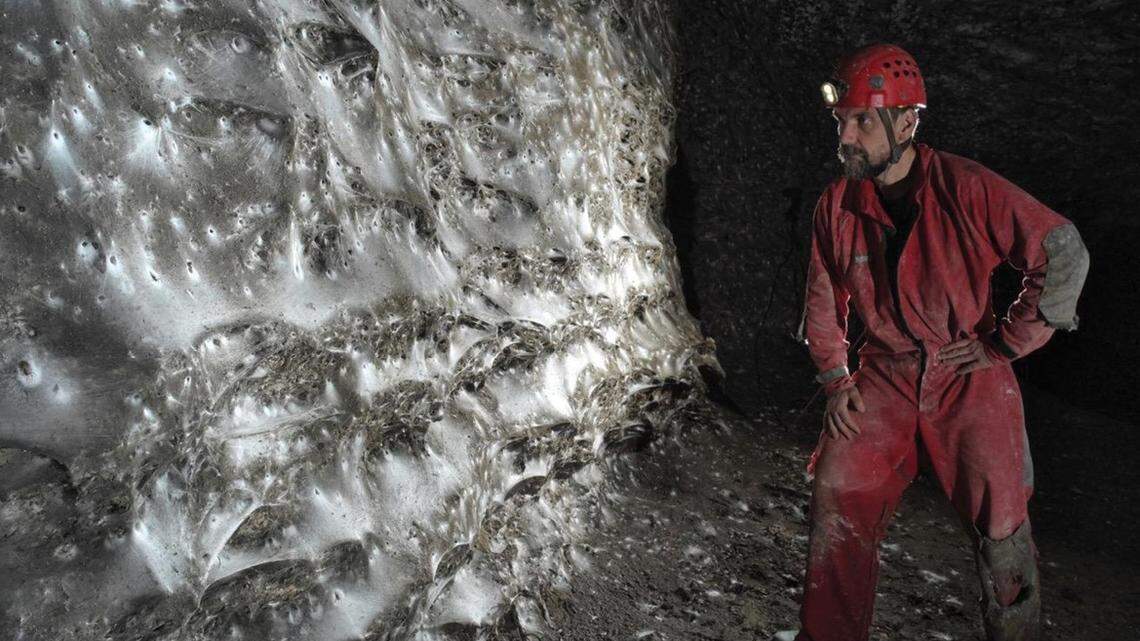
Walking deeper into a smelly cave along the Albania-Greece border, cavers shined their flashlights along the rock walls and illuminated a massive spider colony. Its size surprised them, but that wasn’t the only “extraordinary” feature of the web.
Closer inspection revealed it was a first-of-its-kind find.
“A team of speleologists from the Czech Speleological Society” visited several sulfur caves in northwestern Greece in 2022 to survey underground wildlife, according to a study published Oct. 17 in the peer-reviewed journal Subterranean Biology.
In one cavern, dubbed Sulfur Cave, the spelunkers found “a large colonial spider web” and reported the find to other scientists, the study said. Intrigued, another team of researchers decided to learn more about the unusual spider colony and visited the cave several times between 2023 and 2025.
What they found left them stunned.
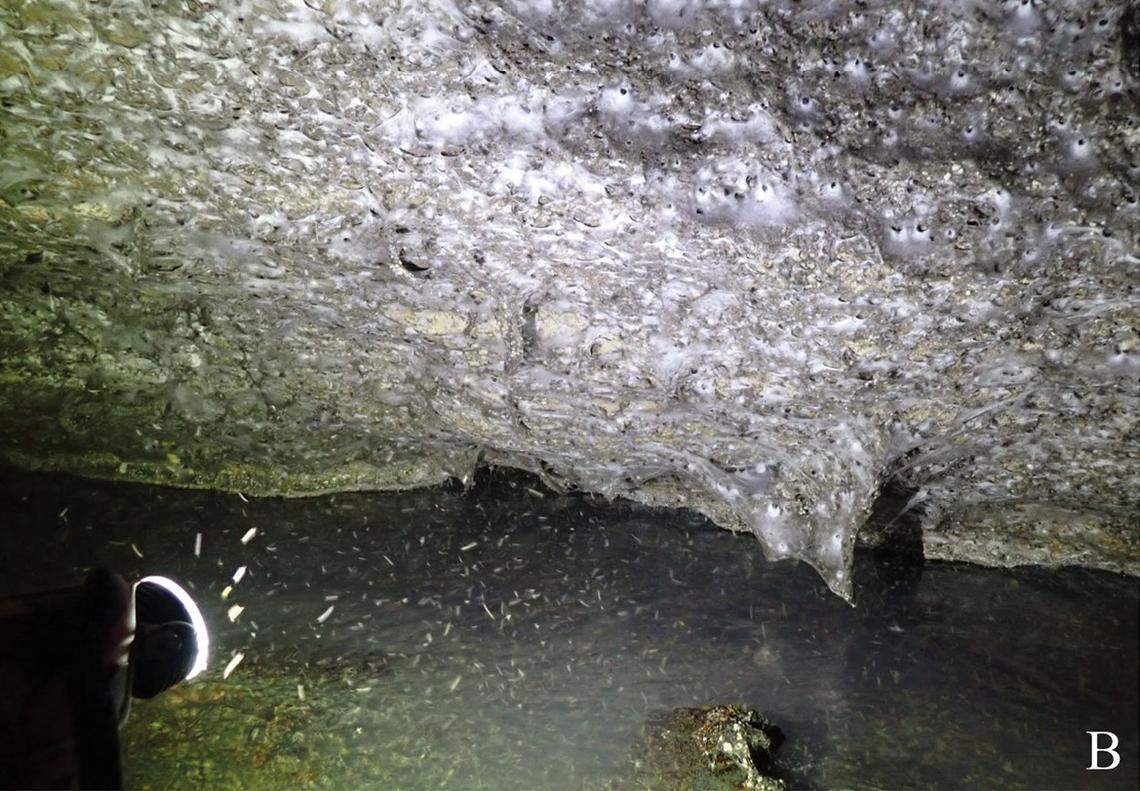
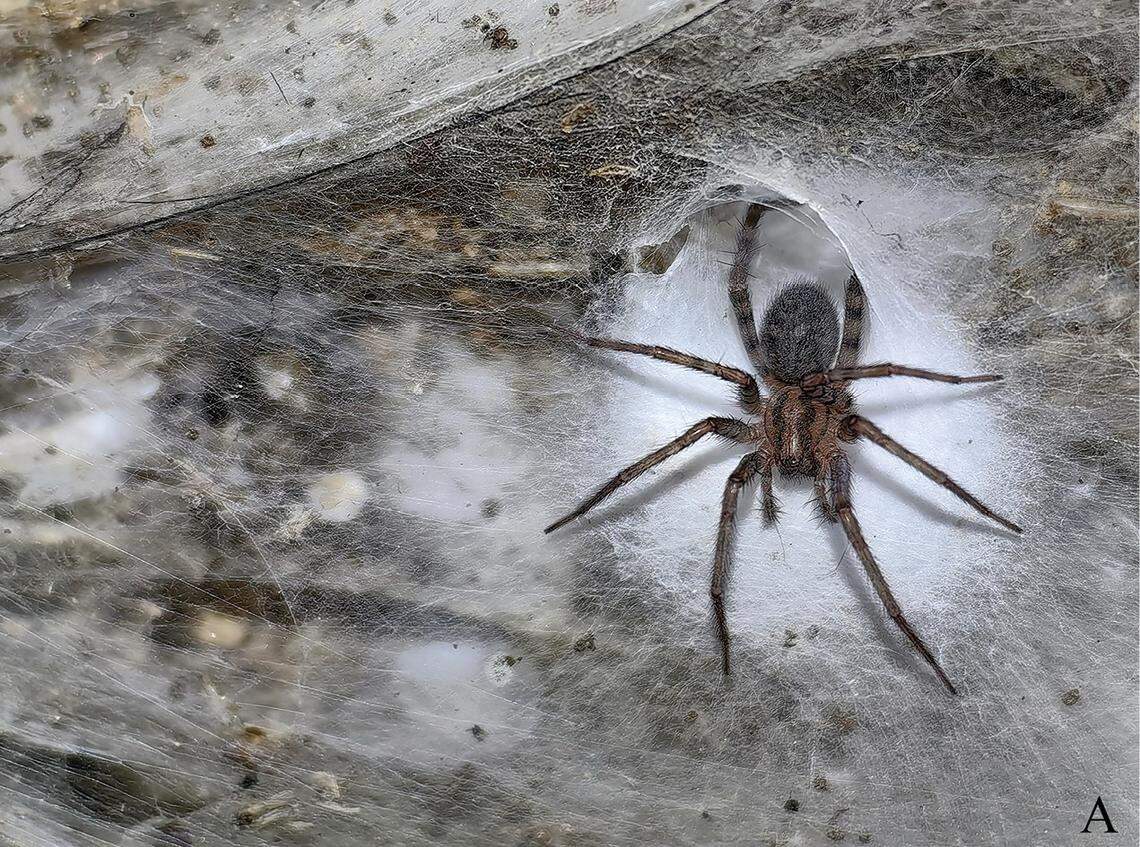
The “extraordinary colonial spider assemblage” spanned about 1,140 square feet of the cavern walls within Sulfur Cave and was home to two species, researchers said. The web itself was built by Tegenaria domestica, a widespread species also known as the “domestic house spider” or “barn funnel weaver,” but another smaller spider species, Prinerigone vagans, also lived there.
These two spider species had not been known to live together — until now. The Sulfur Cave site was “the first documented case of colonial web formation in these species,” the study said.
Researchers estimated that the massive colony was made up of roughly 111,000 spiders, about 60% domestic house spiders and about 40% Prinerigone vagans spiders. Photos show the colony from afar and one spider up close.
Researchers noticed that “sections of the web may detach from the wall under their own weight.”
The team also realized “the location of the colonial spiderweb coincides with an area where an unusually dense swarm of small chironomid flies” hovers, the study said. Researchers estimated the swarm had over 2.4 million flies, an “abundant” food source that likely led to the growth of the large spider colony.
Sulfur Cave spans two countries; “its entrance is in Greece, while its deep sections are in Albania,” the study said. A map shows the “subterranean network of large rooms and passages,” its sulfur springs and the location of the large spider colony.

Researchers concluded that, overall, Sulfur Cave had “exceptionally abundant and diverse invertebrate communities that thrive in total darkness.”
The research team included István Urák, Blerina Vrenozi, Zofia Głąbiak, Ninon Lecoquierre, Cord Eiberger, Mark Maraun, Andrei Ştefan, Jean-François Flot, Traian Brad, Luisa Dainelli, Serban Sarbu and Raluca Băncilă.
This story was originally published October 22, 2025 at 8:18 AM with the headline "Cavers find huge ‘extraordinary’ spider colony on Albania-Greece border. See it."
