‘Thick-toed’ creature found ‘hiding in crevices’ in Angola. It’s a new species
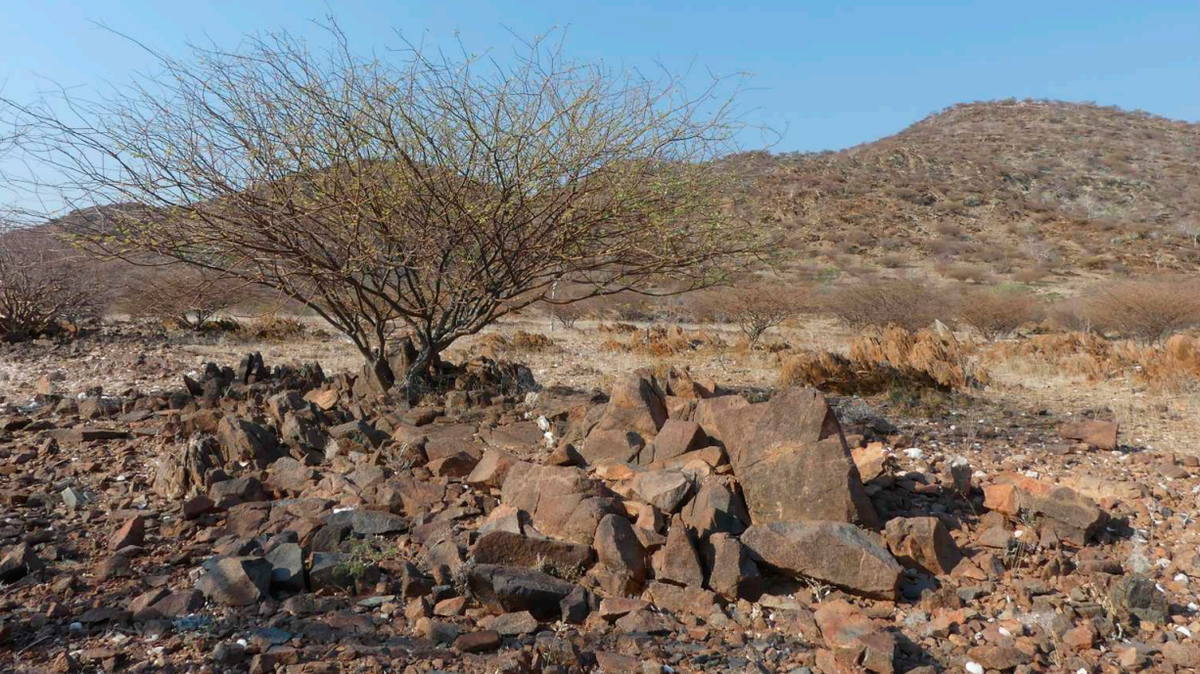
As the sun set across southern Angola, a “thick-toed” creature with “stout” arms emerged from a rocky crevice and set off in search of food. Something about it caught the attention of nearby scientists — and for good reason.
It turned out to be a new species.
A team of researchers visited several sites across southwestern Angola between 2019 and 2023 as part of a project to survey wildlife. The area was a known hotspot for “reptile diversity,” according to a study published Aug. 8 in the peer-reviewed journal Ichthyology and Herpetology.
During the nighttime searches, researchers found several vaguely familiar-looking lizards, the study said. Intrigued, they took a closer look at the animals, analyzed their DNA and realized they’d discovered a “cryptic” new species: Pachydactylus ovahimba, or the Himba thick-toed gecko.
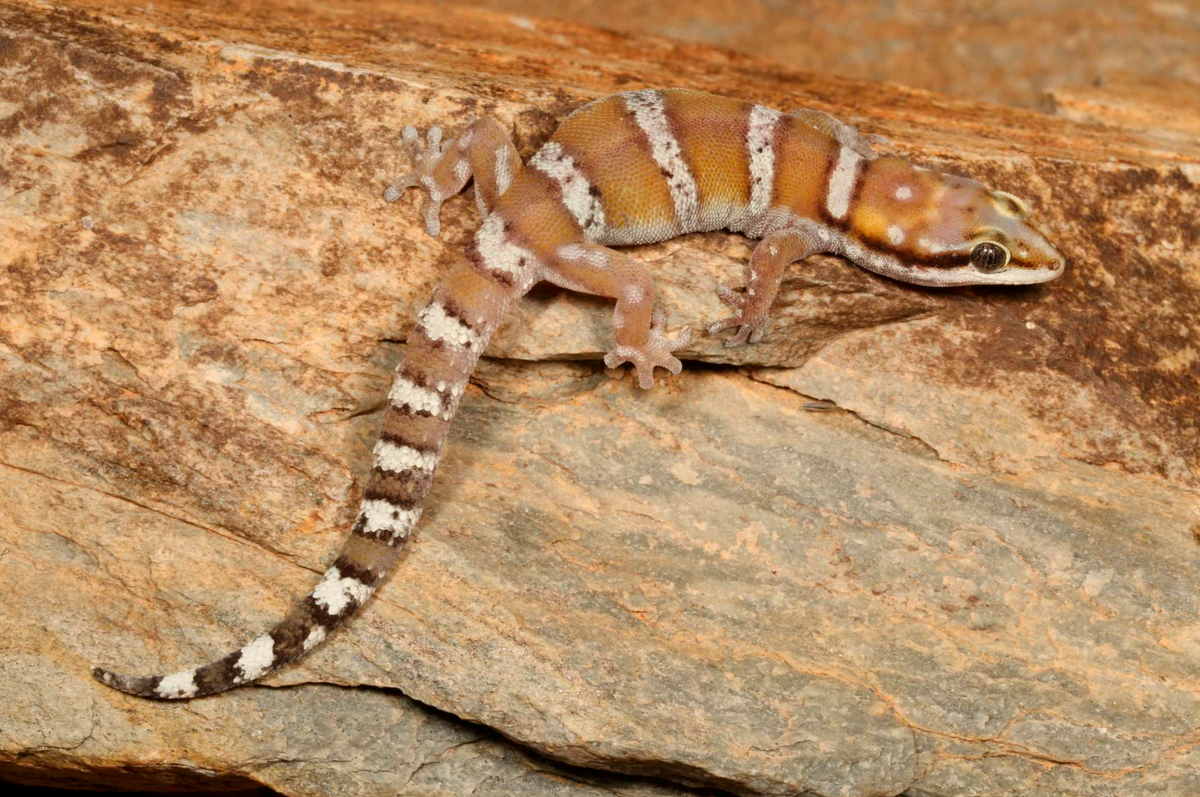
Himba thick-toed geckos are considered “small,” reaching about 3 inches in length, the study said. They have a “depressed body form” with “short and stout” arms. Their “wide” heads have “small” eyes and “rounded” snouts.
A photo shows the new species. Its coloring fades from lighter orange on its head to darker brown on its tail tip. Thick white bands with brown edges crisscross its back. Its lips are white, and its belly is “grayish white,” researchers said.
Himba thick-toed geckos live in “arid savannas and shrublands” in a rugged, mountainous region between elevations of 1,600 to 5,000 feet, the study said. The lizards were seen “actively foraging on the gravel plains after sunset, or hiding in crevices.”
Researchers said they named the new species after the OvaHimba, a semi-nomadic indigenous group and “the dominant ethnolinguistic group in the region where the species is known from,” to honor “the support and enthusiasm received from the Himba people during fieldwork.”
So far, Himba thick-toed geckos have been in “northwestern Namibia and southwestern Angola,” neighboring countries on the southwestern coast of Africa, the study said.
The new species was identified by its DNA, body shape, scale pattern, tail shape, texture and other subtle physical features, the study said.
The research team included Diogo Parrinha, Mariana Marques, Amanda Picelli, Adriaan Jordaan, Lacey Bishop-Schouster, Matthew Heinicke, Aaron Bauer and Luis Ceríaco.
The team also discovered a second new species: the Namibe thick-toed gecko.
This story was originally published September 4, 2025 at 9:44 AM with the headline "‘Thick-toed’ creature found ‘hiding in crevices’ in Angola. It’s a new species."