Mysterious ‘bubble’ creatures found in tank at Swedish marine lab stumps experts
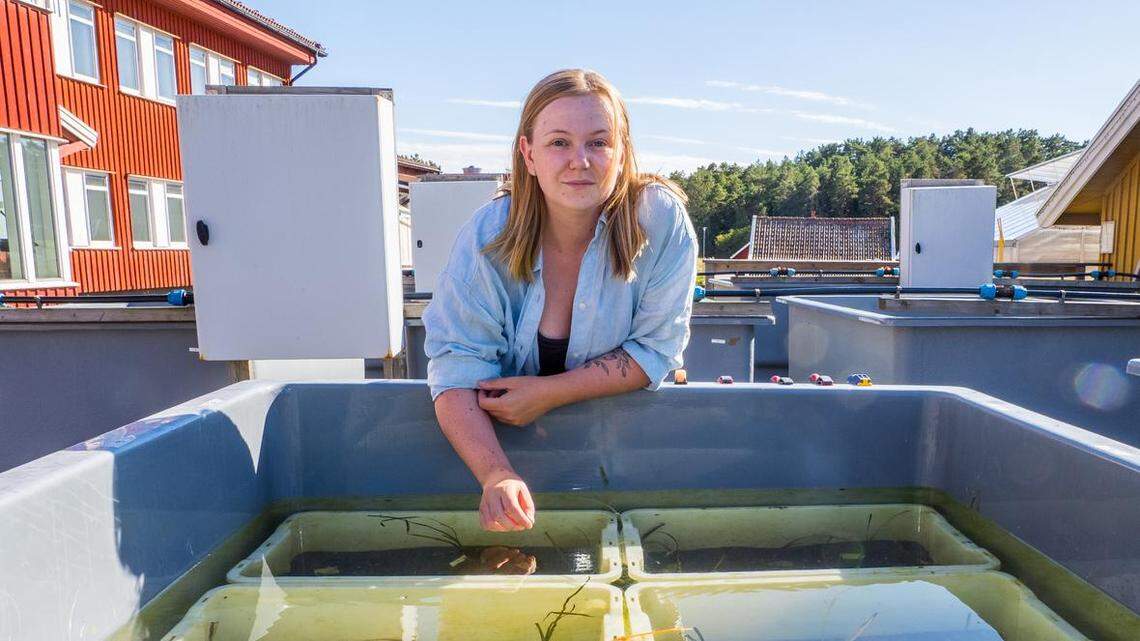
Erica Wik is a graduate student at the University of Gothenburg in Sweden.
As part of her master’s thesis on methods for restoring marine eelgrass beds, Wik planted eelgrass seedings in tanks at the Tjärnö Marine Laboratory and waited for them to grow.
Just a few weeks into her experiment, Wik discovered some “uninvited” and mysterious guests, according to an Aug. 29 news release from the university.
Unable to identify thespecies, Wik enlisted the help of experts at the lab.
“I didn’t recognise it at all, and it wasn’t mentioned in the Encyclopedia of the Swedish Flora and Fauna,” Helena Samuelsson, an illustrator and former lab worker, said in the news release.
After “hours of detective work,” the team found a match in a scientific article shared by a marine biologist at Tjärnö.
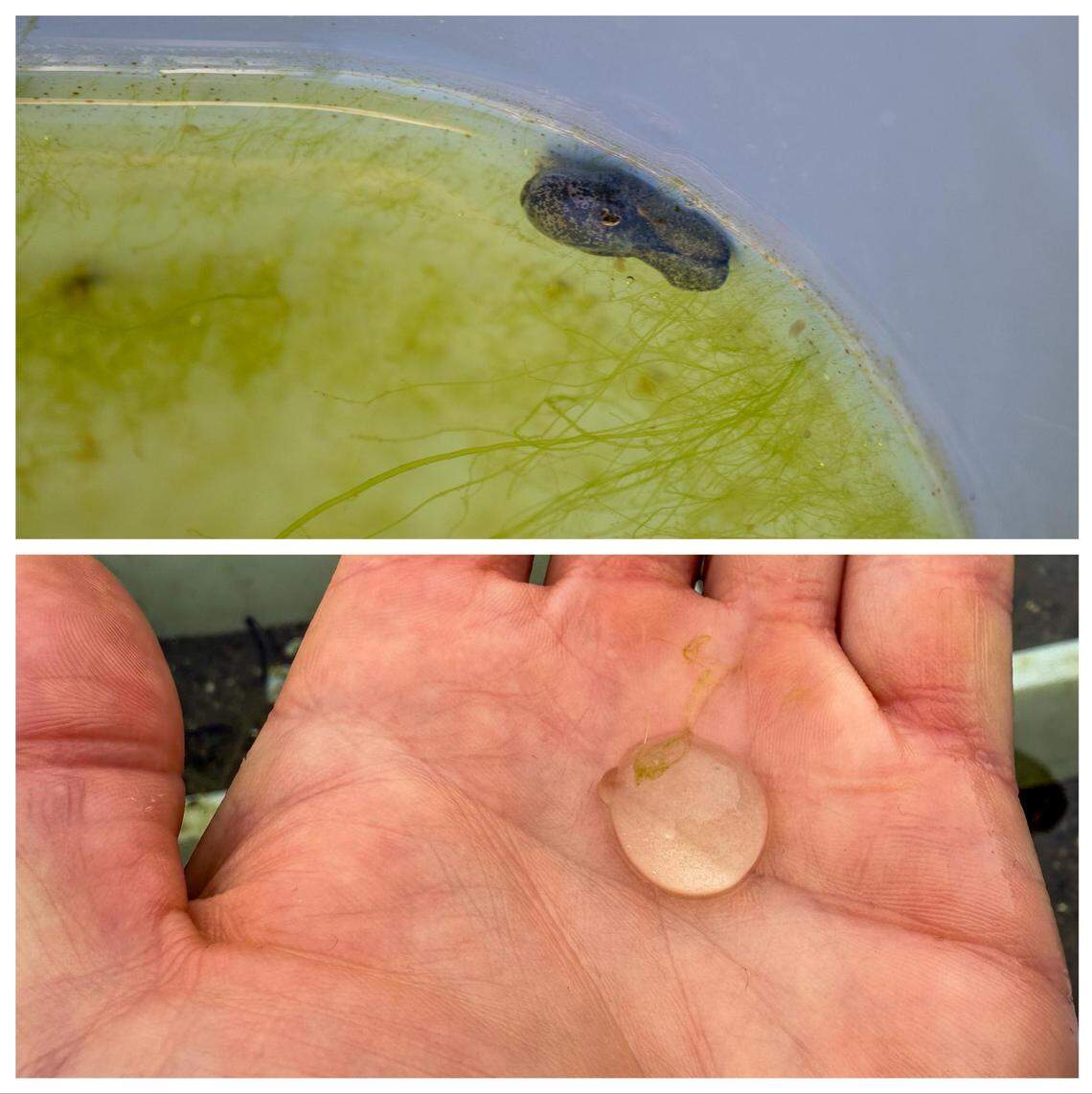
Among the eelgrass growth in Wik’s tank were several Haminella solitaria specimens, also known as a “bubble snails” — a new arrival in Sweden, according to the release.
Bubble snails have a transparent shell, but the species also earns its nickname from its eggs, experts said.
The “clumps” of eggs “look like transparent bubbles,” according to the release.
“I have to clear away egg masses all the time,” Wik said in the release. “But it doesn’t matter too much, the snails don’t interfere with the experiment and they eat the filamentous algae, which is good for the eelgrass.”
The species lives in shallow water on muddy or sandy bottoms where it feeds primarily on algae, according to the university.
It has tentacles at the back of its head, and it can grow to about 1 centimeter, or roughly the size of a pea, experts said.
The bubble snail’s arrival in Europe
According to the release, the bubble snail has established itself in Denmark and may have arrived in Sweden via ocean currents, arine biologist Kennet Lundin said in the release. “This is a species that’s spreading,” Lundin said.
The species was first reported in Europe in 2016 on the German Baltic coast, experts said.
“One theory is that the snail came to Europe from North America as larvae in ballast water,” according to the release.
Bubble snails are common along the east coast of North America, experts said.
This story was originally published September 3, 2025 at 11:37 AM with the headline "Mysterious ‘bubble’ creatures found in tank at Swedish marine lab stumps experts."