‘Alien’ creature in Galápagos can run up and down trees with ‘uncanny agility’

The newly confirmed presence of an “alien,” or non-native, mantis species on the Galápagos Islands has experts concerned about its impacts on the archipelago’s delicate ecosystem.
Even more concerning is that this invader — Liturgusa maya, or the Mayan lichen mantis — is very difficult to catch, according to experts.
“They are shy insects capable of running up and down tree trunks and other vertical surfaces with uncanny agility,” researchers said in a study published Aug. 5 in the Journal of Orthoptera Research.
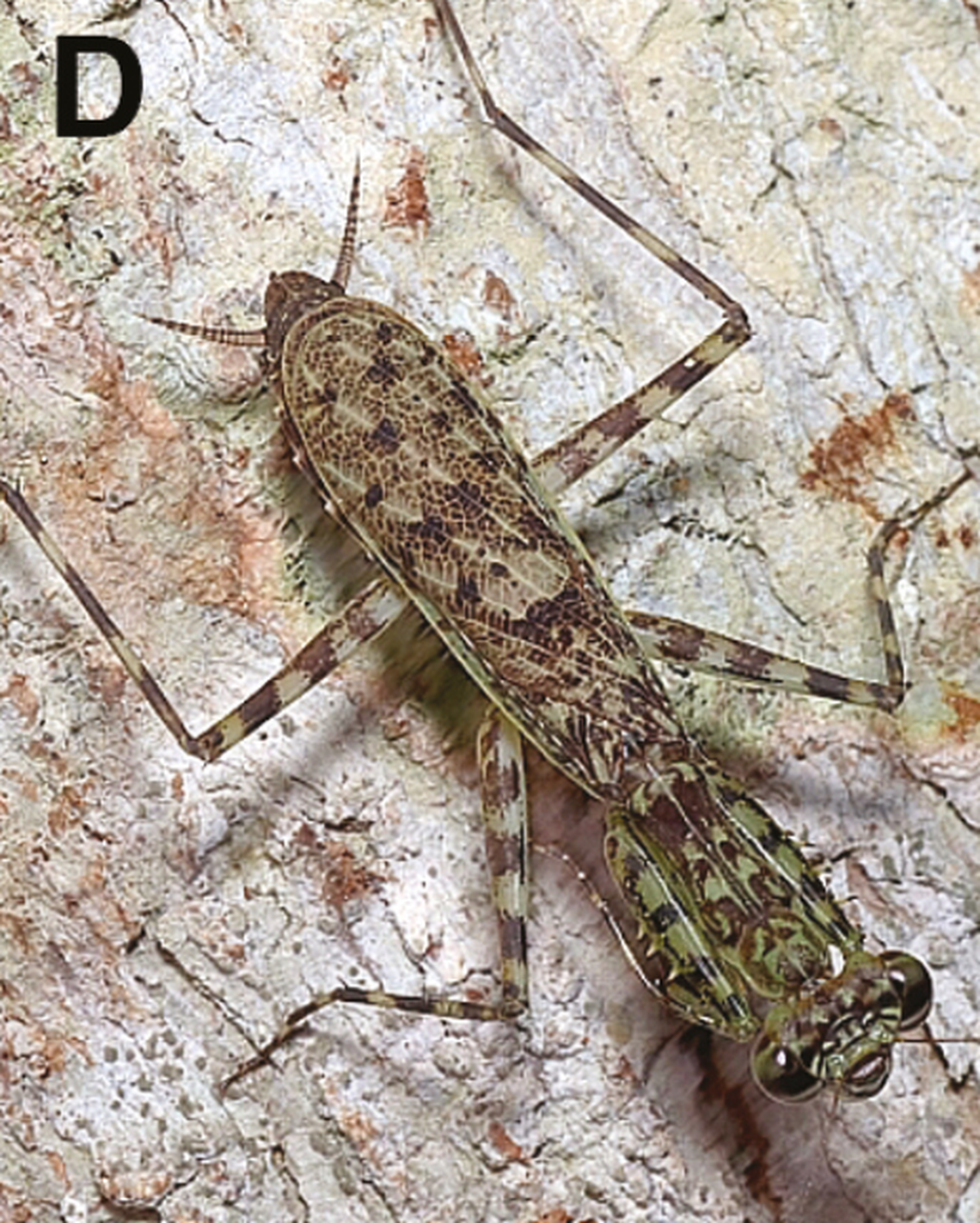
Based on iNaturalist entries, an application where anyone can post sightings of plant or animal species, researchers believe the Mayan lichen mantis has been present in the Galápagos since 2017, arriving as a stowaway in construction material or agricultural products.
It is naturally distributed throughout central and South America, but an isolated population has also been identified in Florida, according to the study. In the Galápagos, it can be found in both urban and rural areas on Santa Cruz Island, according to researchers.
To date, only adult females have been observed, suggesting parthenogenesis, or “virgin births,” may have contributed to the species establishment on the island, the study said.
The Mayan lichen mantis lives on tree bark and perfers medium-sized, smooth-bark trees. It uses its bark camouflage and flattened body to its advantage when hunting along tree trunks, according to the study.
Insects native to the Galápagos have “evolved various adaptations to the archipelago’s peculiar geographical and climatic conditions,” researchers said.
These species play a crucial role in maintaining balance within the fragile ecosystem. However, introduced species, “represent a significant threat,” competing for resources and introducing new disease, both of which “can lead to cascading” negative effects, experts said.
Of the 651 species present on but not native to the Galápagos, 562 are insects, according to the study.
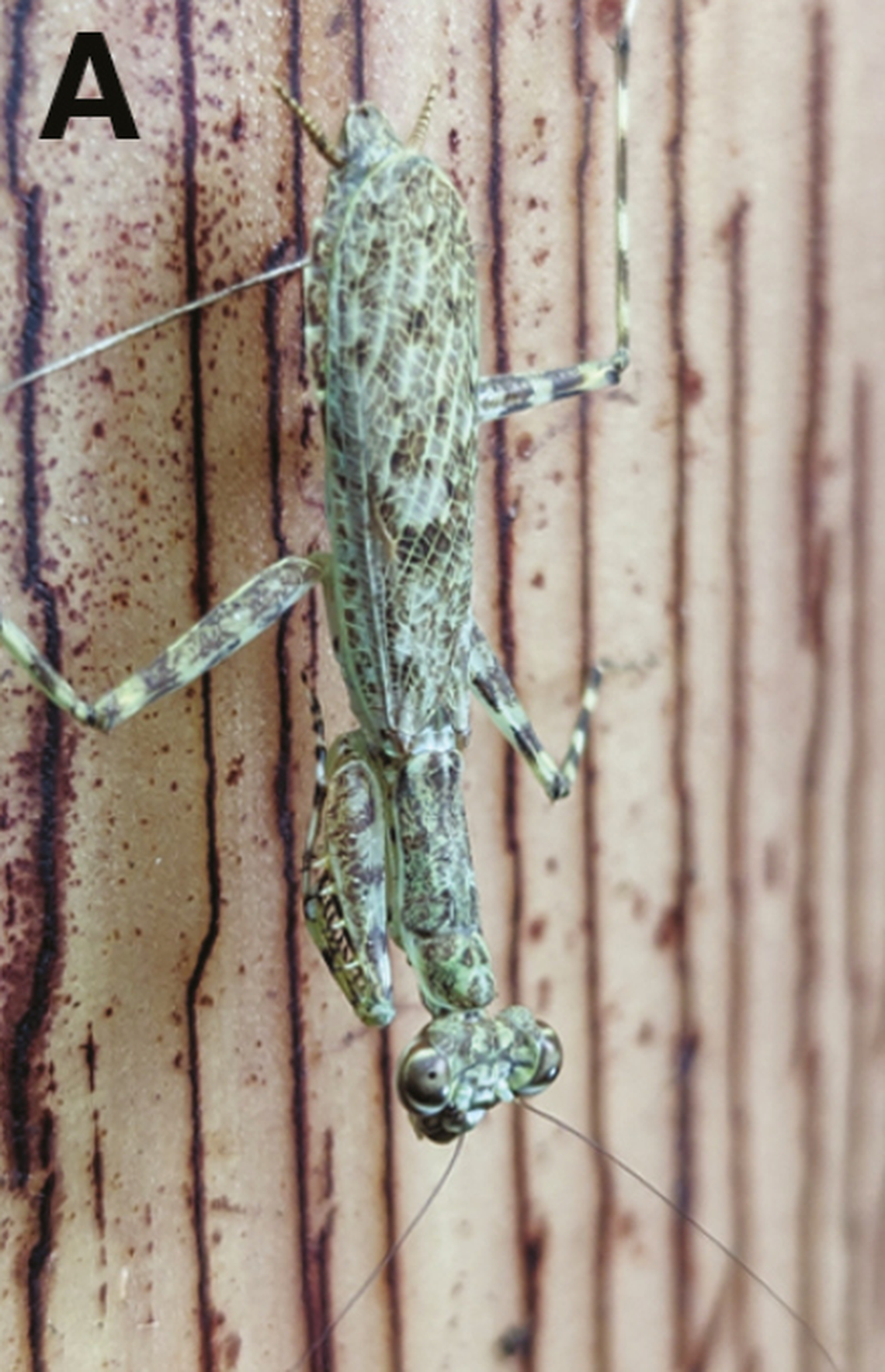
Researchers said it is unlikely the Mayan lichen mantis will compete with the other native praying mantis species in the archipelago, such as Galapagia solitaria, which hunts at ground level and on low vegetation. However, more research is needed to understand how the species will impact other native insects, according to the study.
The research team included Julio Rivera, Patricio Picón-Rentería, Jose M. Avendaño, Andrea C. Román and Lenyn Betancourt-Cargua.
This story was originally published August 14, 2025 at 1:50 PM with the headline "‘Alien’ creature in Galápagos can run up and down trees with ‘uncanny agility’."