
26-legged creature — with bristles — found in bamboo forests. See new species

In the forests of eastern China, fallen leaves provide a barrier between the critters that live in the soil and the outside world.
Like a roof over their head, leaf litter acts as protection for soil fauna, but not from a group of researchers studying the environment.
Scientists sifting through the leaves in Jiangsu, Shanghai and Zhejiang discovered “plenty” of critters hidden below — and one turned out to be a species new to science.
“During our soil fauna investigation in East China, plenty of bristle millipedes were obtained,” researchers said in a July 22 study published in the peer-reviewed journal ZooKeys.
Bristle millipedes, or Polyxenidae, are a group of tiny millipedes known for their fluffy appearance created by bristles that cover most of their body, according to the study.
A total of 190 bristle millipede species have been identified around the world, including 12 in China, researchers said.
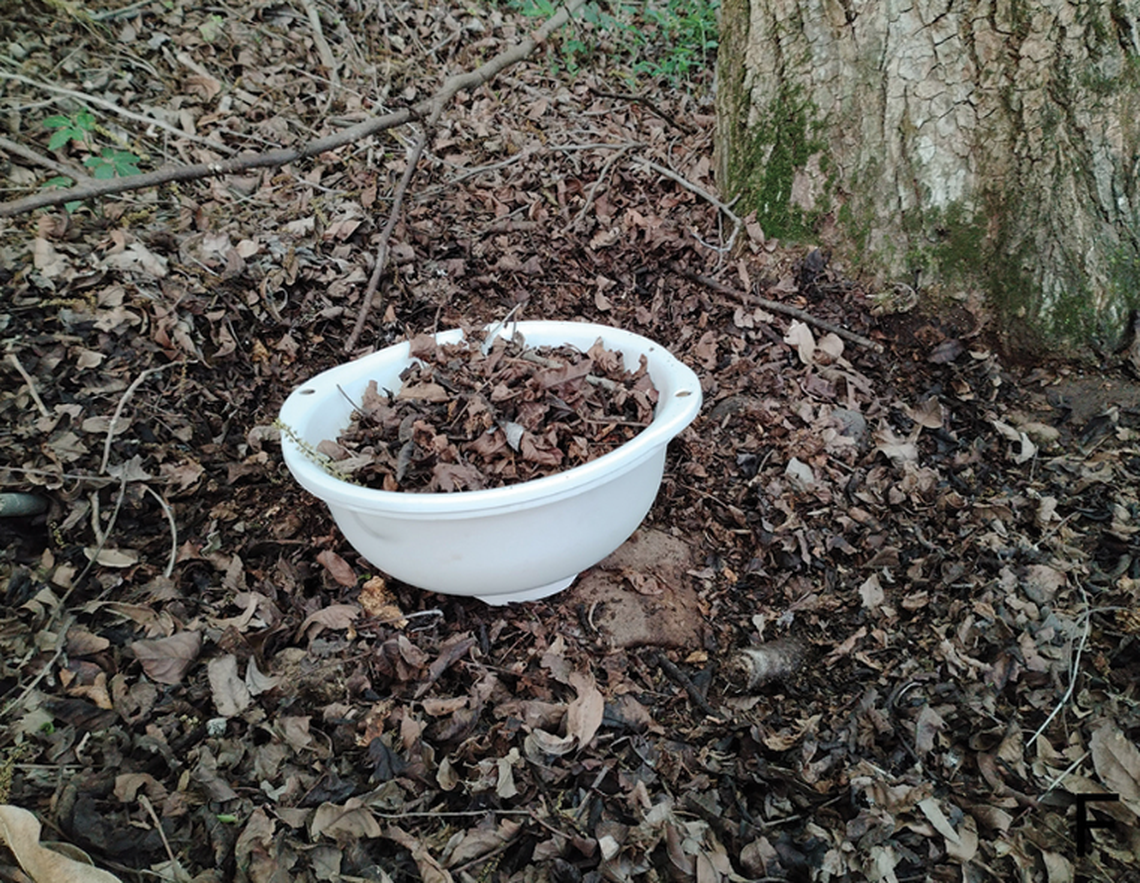
The new species — Eudigraphis huadongensis — was found in “leaf litter under broad-leaf forest or bamboo forest,” according to the study.
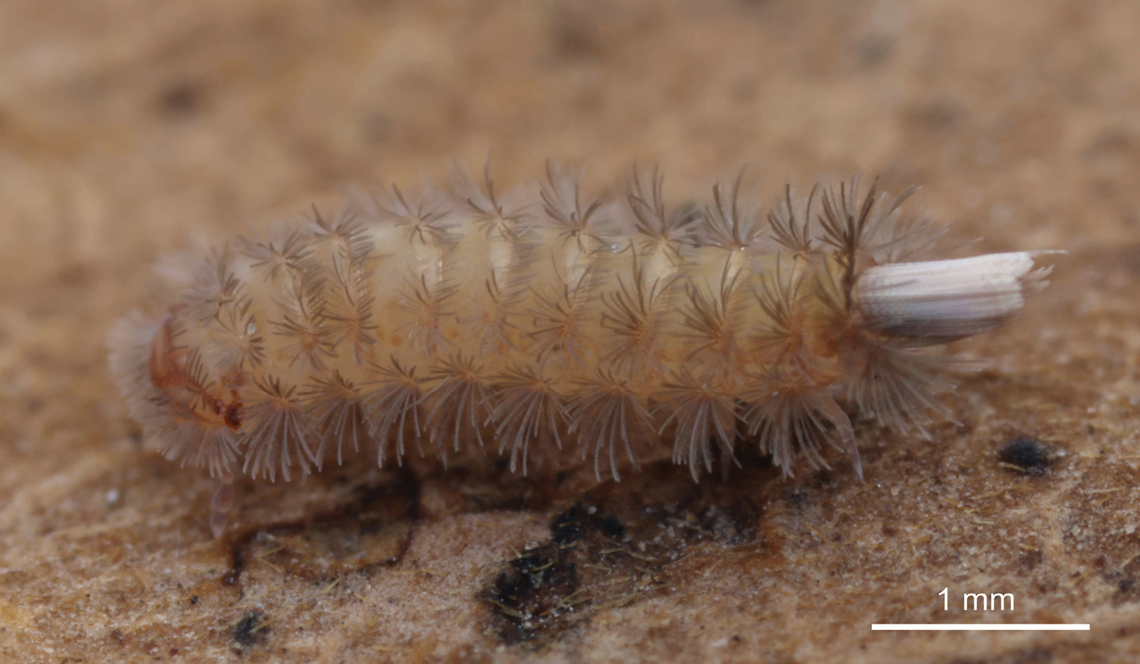
The millipede is just 0.13 inches long, researchers said, with 13 pairs of legs.
On the back of the animal there is a caudal bundle, or a bunch of bristles that stick out all together like a tail.
The millipede has a “body evenly yellowish brown” on the back, with a more “pale yellow” color on the underside, according to the study.
There is a dark band on their heads, and they have “red-brown eyes,” researchers said.
The bristle-like appearance is created by bundles of trichomes, or small, hair-like appendages.
“The species was named after the Chinese word ‘Huadong’ = ‘East China’ which is the region where all type specimens were collected,” according to the study.
Live specimens of the East China bristle millipede were brought back to the lab so researchers could take a closer look at their life cycle.
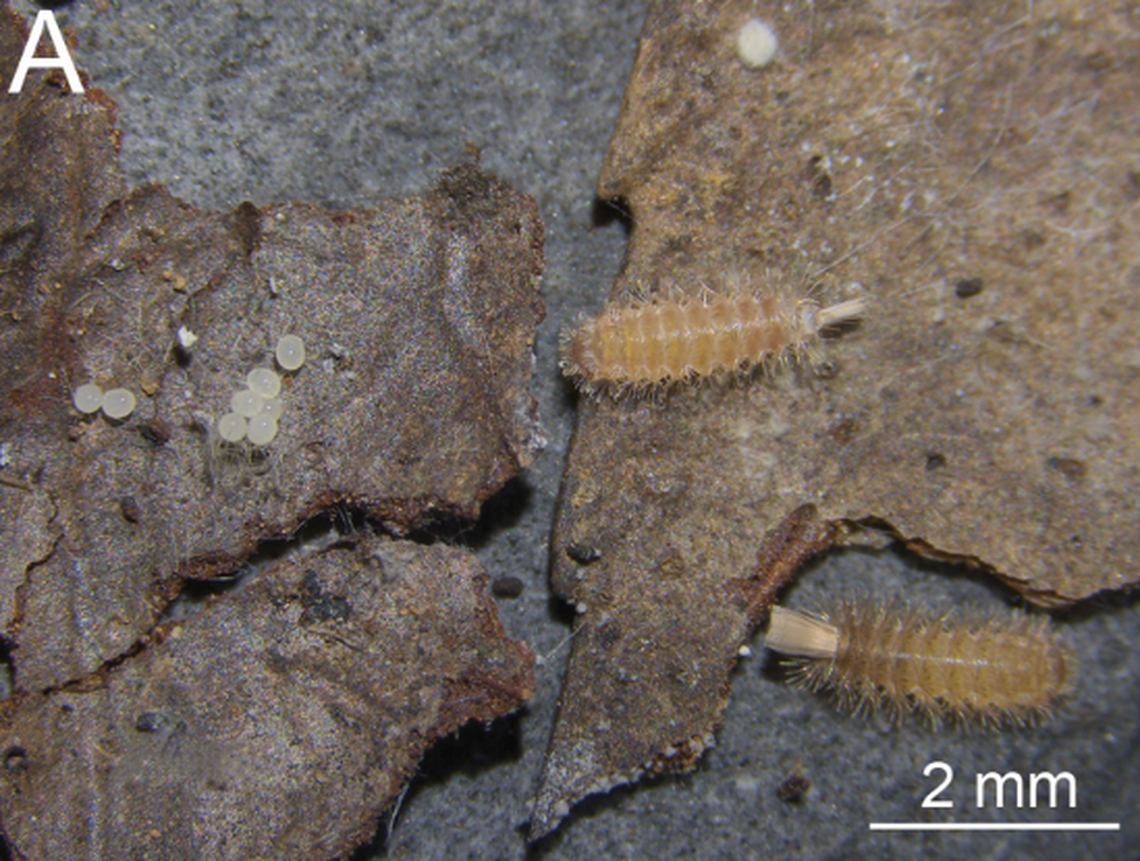
“The females laid eggs in clusters and protected them with caudal trichomes,” according to the study. “The eggs are oval, white … and they became transparent after one week.”
The egg shells eventually split, and even smaller versions of the new species emerged onto the leaves, according to the study.
Researchers noted the species “lives in the litter, humus, or the upper layer of soil of different kinds of forests, never dwelling under tree bark,” according to the study. “Our experience of collection indicated that it prefers a relatively dry environment, with high density in dry litter.”
All specimens of the new species were found in and around Shanghai, a city on China’s east coast.
The research team includes Si-Qi Yang, Yun Bu, Nerivania Nunes Godeiro, Yan Gao and Ya-Li Jin.
This story was originally published August 1, 2025 at 2:19 PM with the headline "26-legged creature — with bristles — found in bamboo forests. See new species."
