‘Eyeless’ river creature with ‘large hump’ found in cave. It’s a new species
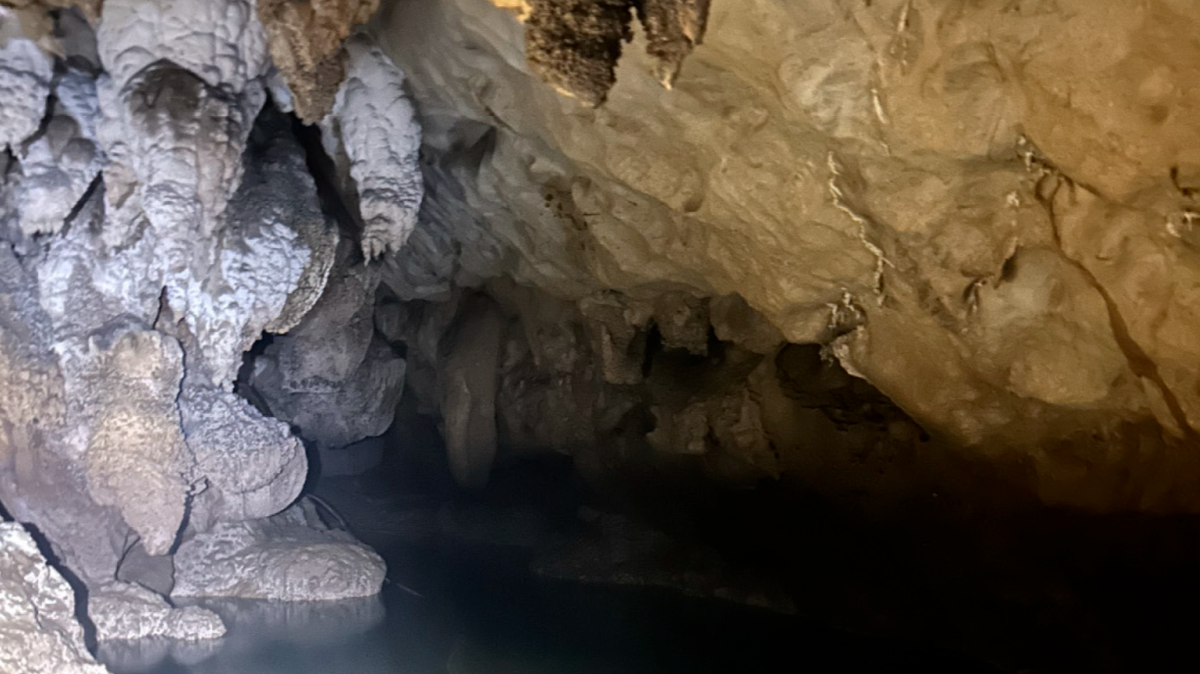
In an underground river of southeastern China, an “eyeless” cave creature with a “large hump” swam through the dark waters. Its hard-to-reach home kept it hidden — until some determined scientists visited.
The “golden” animal turned out to be a new species.
A team of researchers spent five years visiting caves of Guizhou and Yunnan provinces to survey their aquatic life. The provinces were part of a known biodiversity hotspot, according to a study published July 28 in the peer-reviewed journal Animals.
The “deep cave habitats” were hard-to-reach and wildlife was rare, but researchers eventually collected dozens of cavefish, the study said. “Depending on the cave type, we used different collection methods, including direct hand nets, trap nets, and, in a few instances, cave diving.”
During a 2020 expedition, researchers encountered three unfamiliar-looking fish in a cave of Guizhou Province, the study said. They took a closer look at the animals, analyzed their DNA and realized they’d discovered a new species: Sinocyclocheilus wanlanensis, or the Wanlan cavefish.
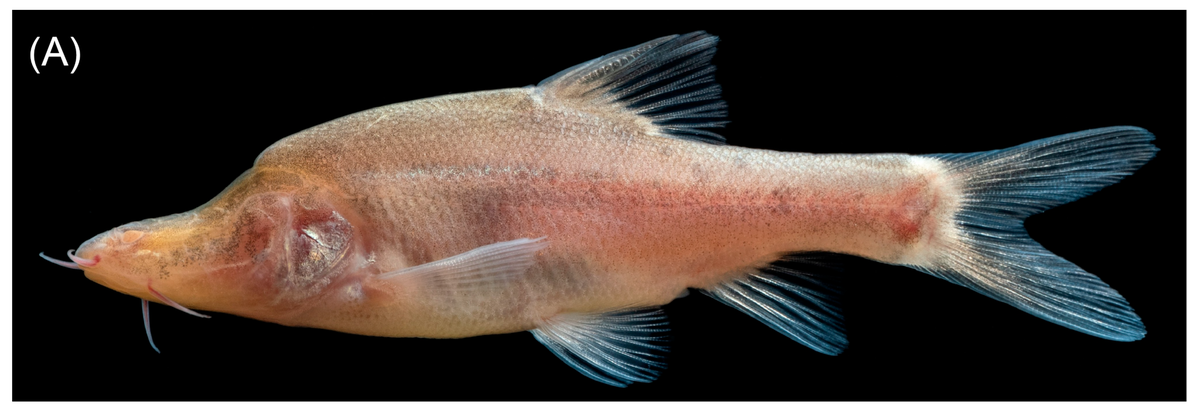
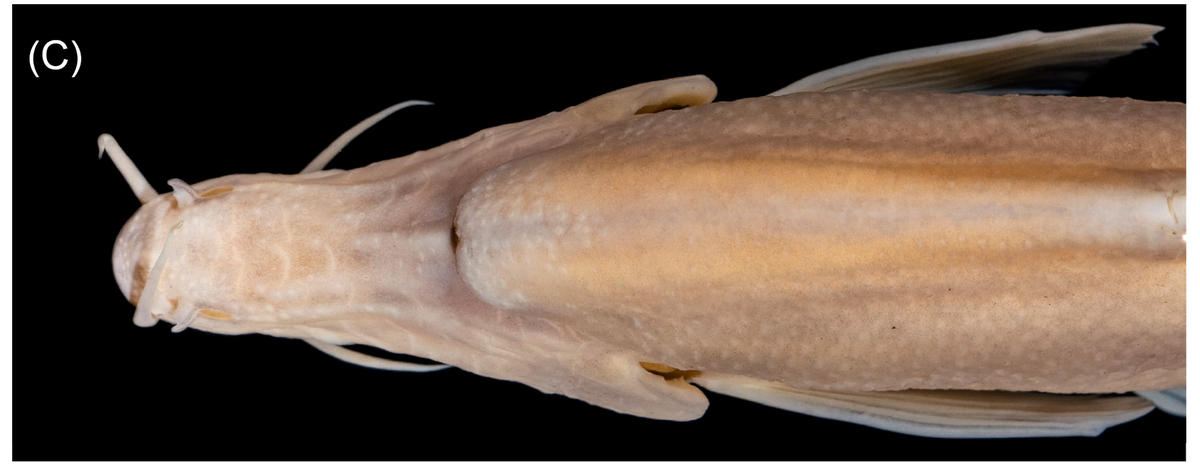
Wanlan cavefish have “compressed” bodies reaching about 3.5 inches in length, the study said. They have a “distinct,” “duckbill-shaped head” and “a large hump behind the head.” They are “eyeless” but have “dark spots” on their heads, which researchers called “degenerated eyes.”
Photos show the “golden brown” fish and its unusual body shape.
Much about the lifestyle and behavior of the new species remains unknown.
Wanlan cavefish were found in an “underground river (that) serves as an important source of drinking and irrigation water for local villagers,” the study said.
Researchers said they named the new species after Wanlan, the town where it was first discovered and, so far, the only place where it has been found. Wanlan is in Guizhou Province of southeastern China and a roughly 1,400-mile drive southwest from Beijing.
The new species was identified by its DNA, lack of eyes, head shape, whisker-like barbels, fin shape and other subtle physical features, the study said.
Researchers said that “identifying and describing new species is important for protecting cave life and understanding how species evolve in extreme environments.”
The research team included Yewei Liu, Tingru Mao, Hiranya Sudasinghe, Rongjiao Chen, Jian Yang and Madhava Meegaskumbura.
This story was originally published July 28, 2025 at 9:38 AM with the headline "‘Eyeless’ river creature with ‘large hump’ found in cave. It’s a new species."