With just 30 creatures left in world, experts rush to save New Zealand species
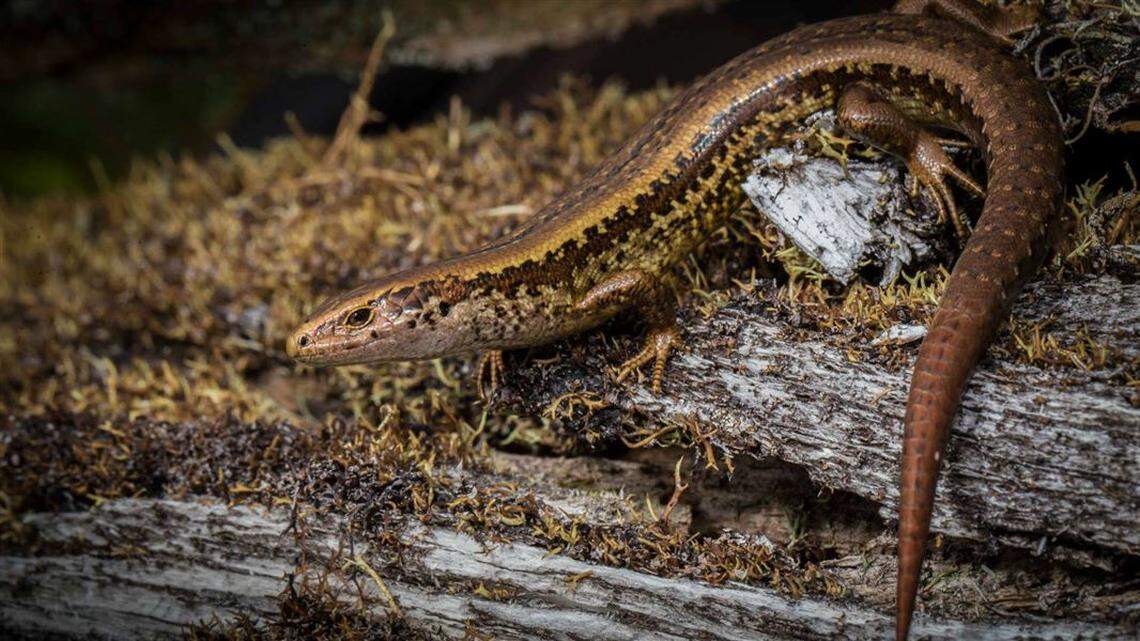
New Zealand wildlife experts said the work to save the Alborn skink from extinction is now “urgent,” as their population continues to shrink.
A recent survey showed the world’s last known population, initially believed to be between 40 and 100 individuals, is actually at just 30 individuals, according to a July 18 news release from the New Zealand Department of Conservation.
Experts said a stainless steel mesh fence around a five-hectare area near Reefton will now “be built earlier than planned to ensure the species’ survival” after the “worryingly low” survey results.
“We might be playing all our cards now, but we need to go all in to make sure these skinks survive,” Department of Conservation ranger supervisor Gemma Hunt said.
As a precaution, some of the skinks were moved earlier in the year to “safe housing” at the Auckland Zoo, experts said.
Despite reducing the number of mice — a natural predator of the Alborn skink — in the region, they’ve continued to be a “constant threat,” re-invading and preying on the species, experts said.
New Zealand’s winter weather is making it hard for conservationists to find the skinks.
“When it’s cold, the skinks burrow into the ground to protect themselves from extreme low temperatures and move very little,” Hunt said, adding that this unfortunately “makes them easy prey for mice who can access these same burrows.”
Predator-free fenced enclosures have successfully helped other endangered species such as the Kapitia skink begin to rebound, Hunt said in the release. “We know fenced enclosures work.”
“We’re aiming to complete the $700,000 fence and remove predators by November and are optimistic that the remaining skinks should be able to breed quickly in relative safety,” Hunt said.
New Zealand has 4,000 species, including the Alborn skink, at risk of extinction, according to the release.
“Once these species are gone from here, they are gone for good,” Hunt said.
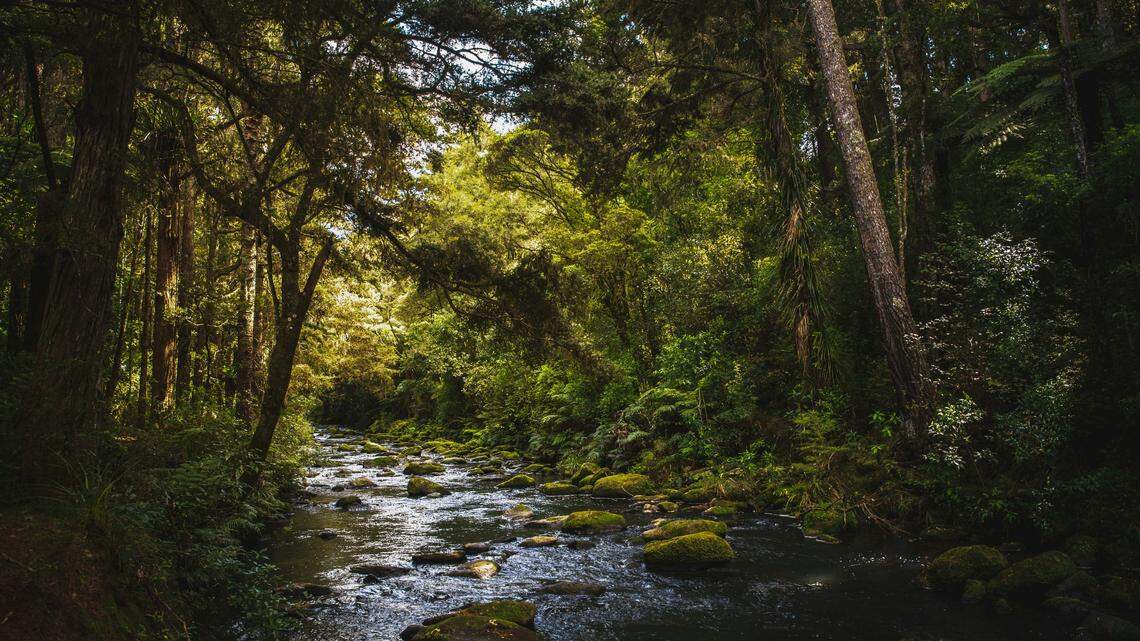
The enclosure will be built on the west coast of New Zealand’s South Island, the only known habitat of the Alborn skink.
This story was originally published July 18, 2025 at 2:13 PM with the headline "With just 30 creatures left in world, experts rush to save New Zealand species."