‘Miniature’ creature seen running ‘quickly’ on Angola plain. It’s a new species
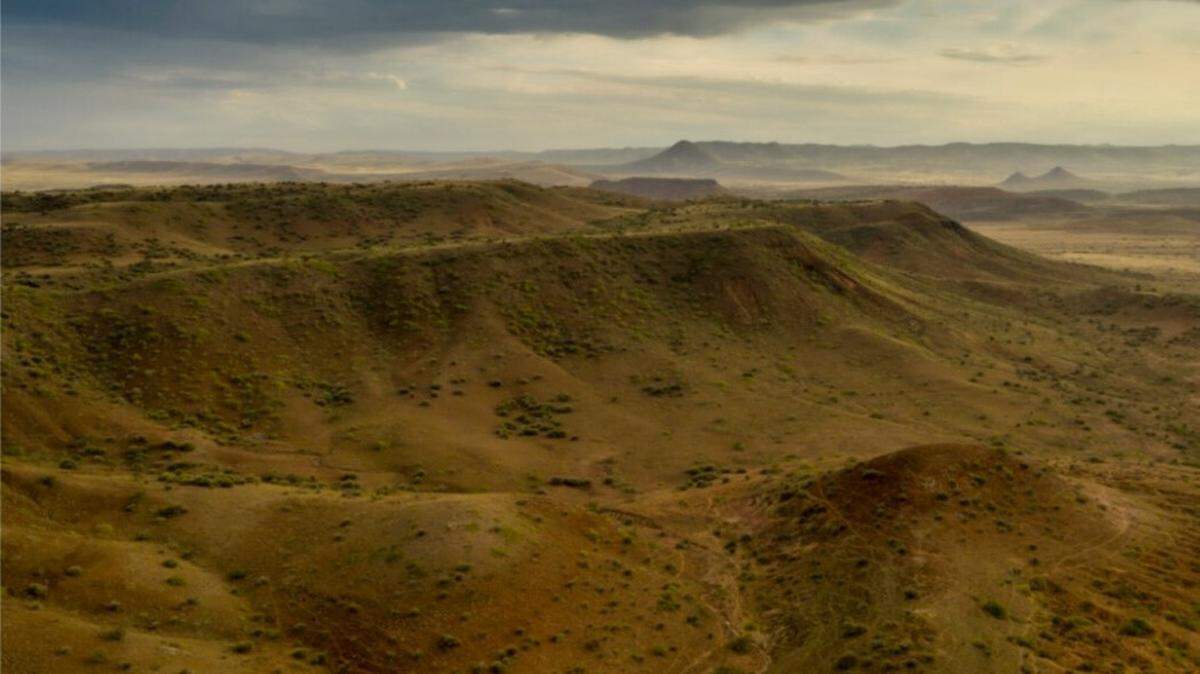
On a gravel plain of southwestern Africa, a “miniature” creature moved “quickly” along the loose stones searching for a hiding place. Something about it caught the attention of nearby scientists — and for good reason.
It turned out to be a new species.
A team of researchers spent seven years doing “extensive” wildlife surveys of “the less explored coastal regions of southern Angola,” according to a study published June 27 in the peer-reviewed journal Ecology and Evolution. Their fieldwork focused on a group of “unique” but “poorly understood” lizards known as Namib day geckos.
During some of their searches, researchers found several unfamiliar-looking patterned geckos, the study said. They took a closer look at the animals, analyzed their DNA and realized they’d discovered a new species: Rhoptropus minimus, or the miniature Namib day gecko.
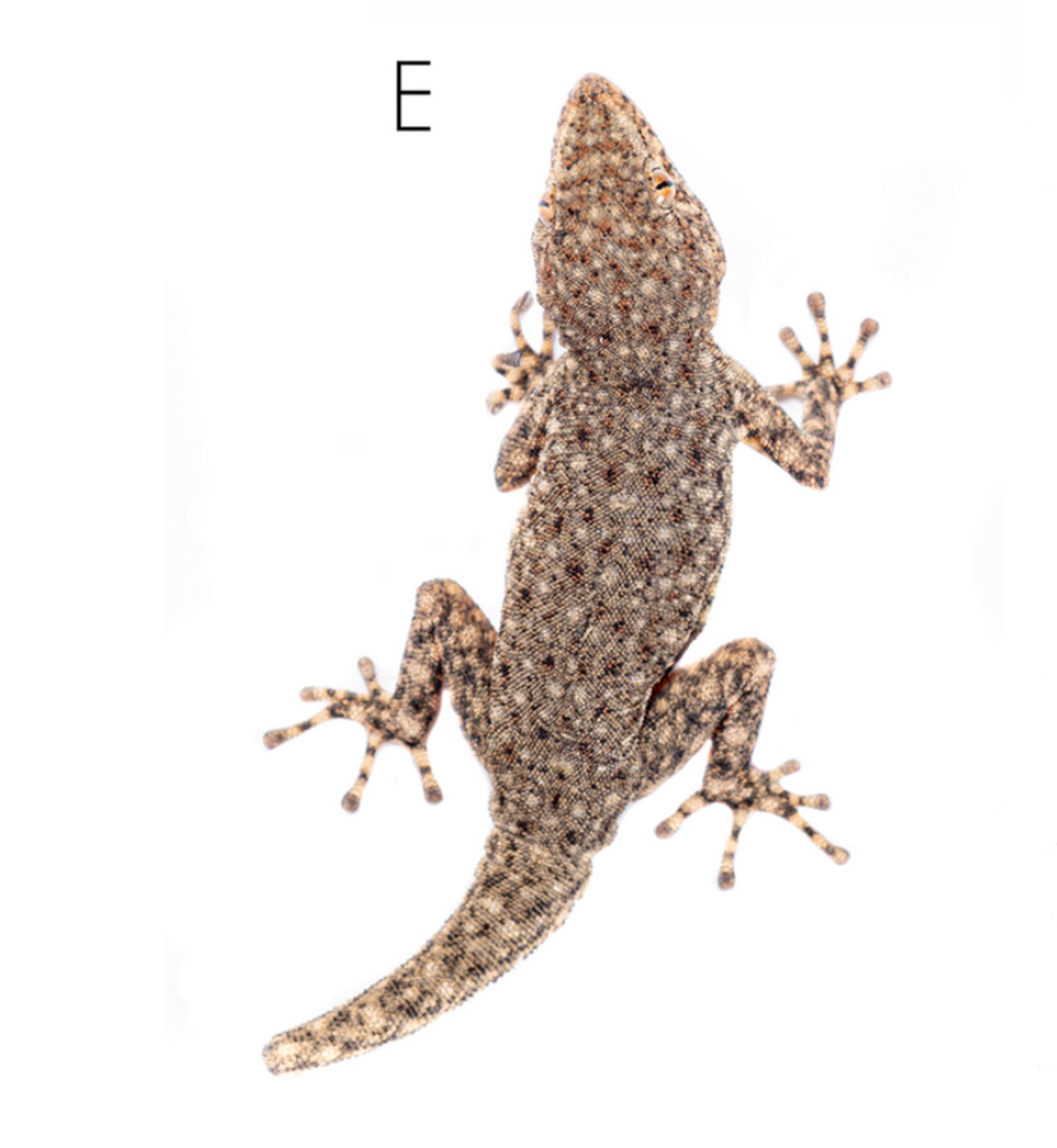
Miniature Namib day geckos are considered “small-sized,” reaching about 3 inches in length, the study said. Researchers said they named the new species after the Latin word for “‘smallest’ or ‘very small’” because of its size.
A photo shows the tannish-gray coloring of the new species. Its pattern is a mixture of “soft orange-rust” markings and black and cream blotches. Its belly is “whitish to cream” with “darker” fingertips and toes.
Miniature Namib day geckos are “primarily associated with gravel and sand plains” and were found “in more open areas, where (they move) quickly between small rocks and loose flakes on the ground, using them for shelter,” the study said.
Much about the lifestyle and behavior of the new species remains unknown.
So far, the new species has only been found in “the coastal regions of Namibe Province,” a region of southwestern Angola that borders Namibia, the study said. Angola also borders the Democratic Republic of the Congo, the Republic of the Congo and Zambia.
The new species was identified by its scale pattern, coloring, size and other subtle physical features, the study said. DNA analysis found the new species had at least 8% genetic divergence from related species.
The research team included Javier Lobón-Rovira, Matthew Heinicke, Aaron Bauer, Werner Conradie and Pedro Vaz Pinto.
The team also discovered two more new species: the large-spotted Namib day gecko and the cryptic Namib day gecko.
This story was originally published July 9, 2025 at 9:46 AM with the headline "‘Miniature’ creature seen running ‘quickly’ on Angola plain. It’s a new species."