
Hidden Japanese blades, ancient figurines and three more recent discoveries
The summaries below were drafted with the help of AI tools and edited by journalists in our News division. All linked stories were reported, written and edited by McClatchy journalists.
Throughout history, cultures have left behind a trail of breadcrumbs for archaeologists to follow. New sites and artifacts are found all the time, revealing forgotten secrets of the past.
Here are some of the latest discoveries:
Shallow hole turns out to be rare 1,600-year-old structure in Germany. See it
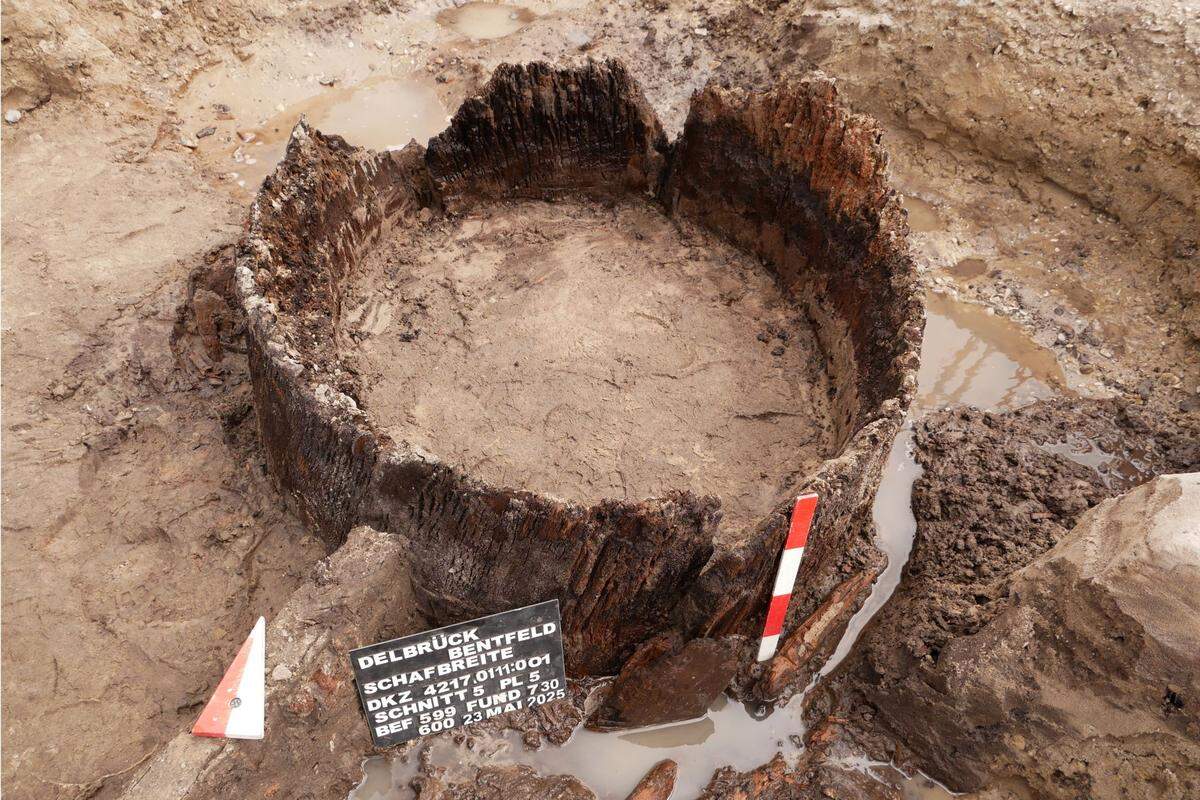
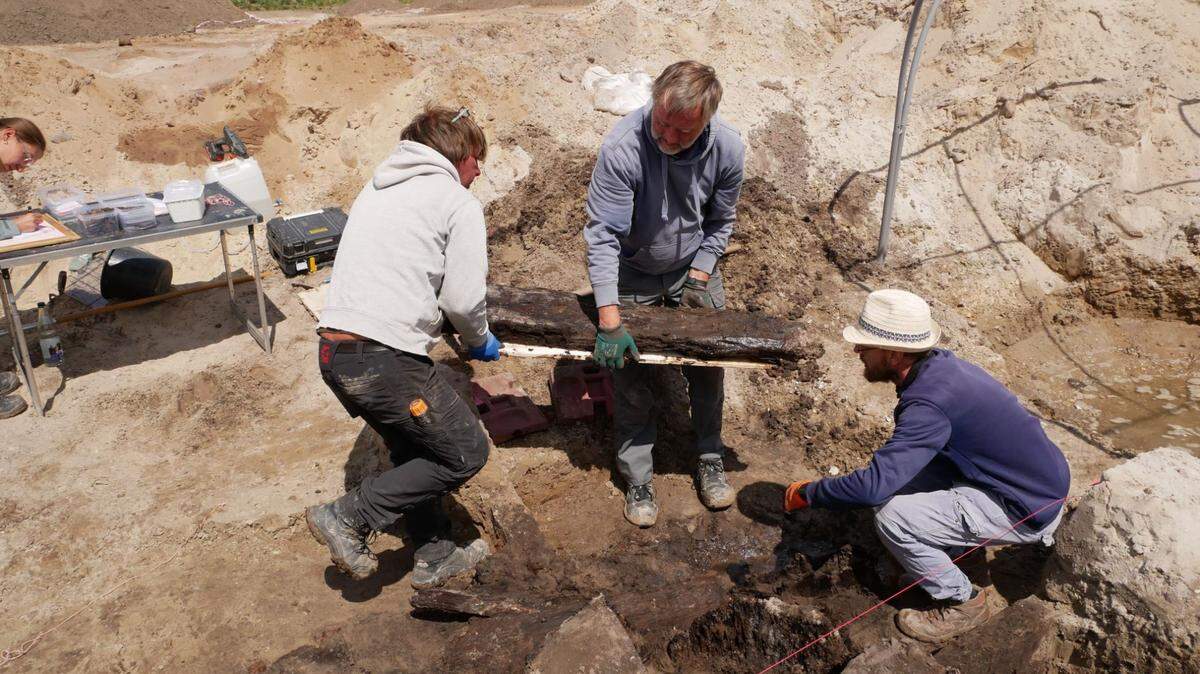
Near Bentfeld, Germany, archaeologists discovered a 1,600-year-old wooden well, initially mistaken for a livestock watering hole. The well, along with other artifacts, offers insights into the region’s ancient past. The site also revealed a Roman military belt and other burial artifacts. | Published June 17 | Read More |
X-rays of 1,300-year-old sheath reveal first-of-its-kind blade inside. See it
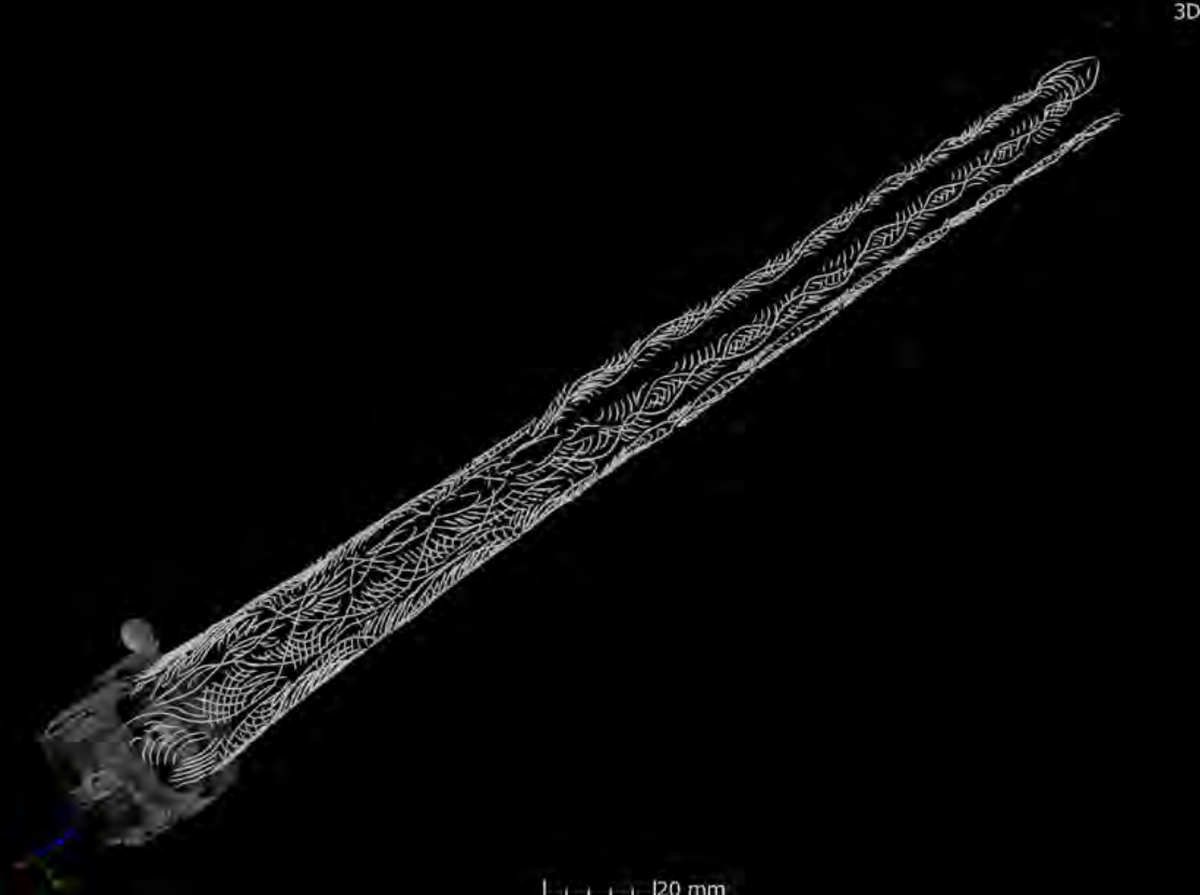
On the sacred island of Okinoshima in southern Japan, archaeologists used X-rays to uncover a unique blade hidden inside a 1,300-year-old gold sheath. The sheath, adorned with phoenix and tortoise shell designs, was likely a ceremonial offering. This remarkable find highlights the island’s rich history of ritual practices. | Published June 20 | Read More |
6,000-year-old figurine found in Poland called discovery of the century. See it
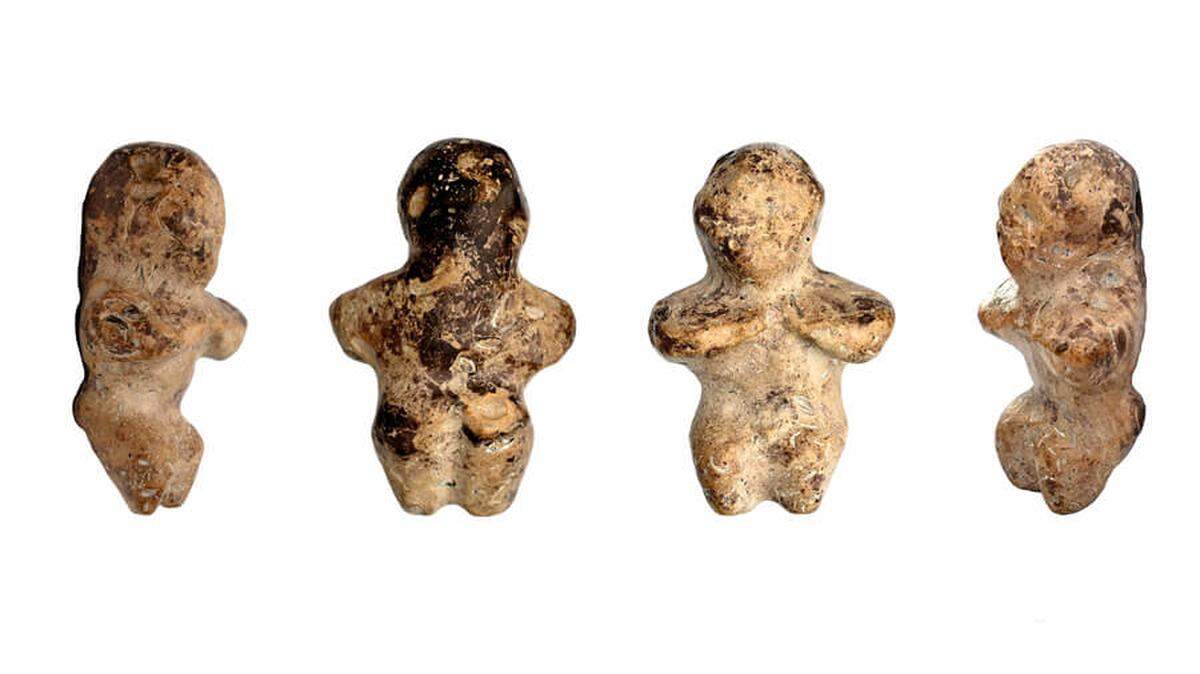
In Kołobrzeg, Poland, a 6,000-year-old limestone figurine, dubbed the Kołobrzeg Venus, was discovered. This Neolithic artifact, depicting a woman, is unique due to its stone material, as similar figurines are usually made of clay. The figurine will soon be part of a permanent exhibition at the Polish Arms Museum. | Published June 23 | Read More |
Fossils found on island are far older than island itself. How? The ancient Romans

On Morocco’s Mogador Island, archaeologists found Early Cretaceous fossils mixed with Roman artifacts, despite the island’s young geological age. These fossils, possibly brought by ancient trade networks, suggest a fascinating intersection of natural history and human activity. The discovery prompts further research into Roman trade practices. | Published June 24 | Read More |
Ruins of ancient Roman camp seemed typical — then a very rare artifact emerged
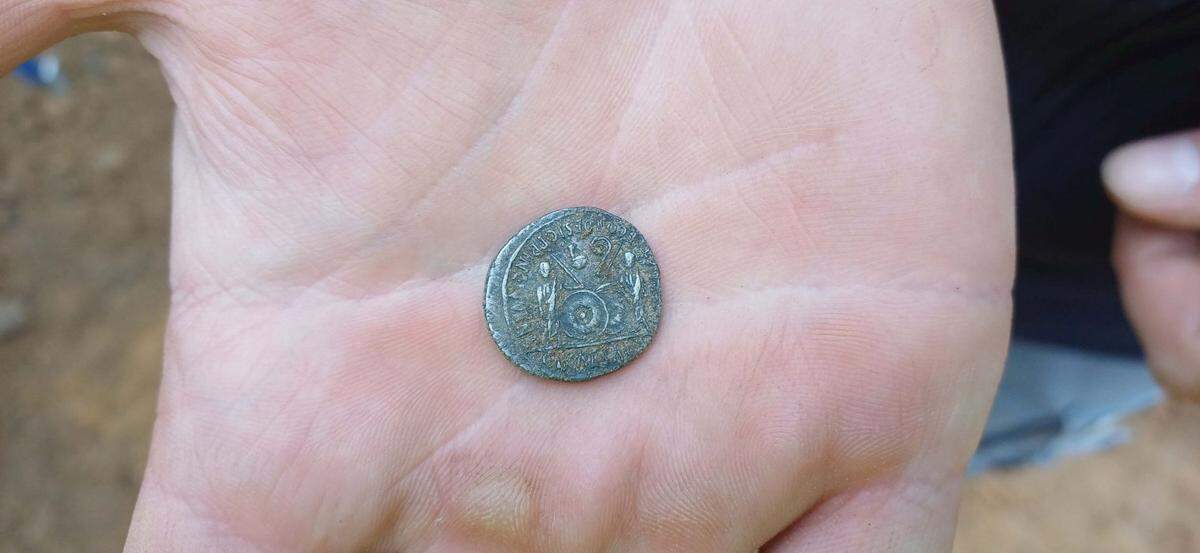
In Haltern am See, Germany, archaeologists unearthed a rare Terra Rubra pot fragment at an ancient Roman military camp site. This piece of Belgic Ware, a pottery style from northern Gaul, stands out among typical Roman military finds. The ongoing excavation aims to shed light on life in this historic camp. | Published June 26 | Read More |
McClatchy News continues to follow the discovery of intriguing archaeological discoveries from around the globe. Check back to see the latest finds.
This story was originally published June 27, 2025 at 8:36 AM with the headline "Hidden Japanese blades, ancient figurines and three more recent discoveries."