
Eerie photos found after submarine scouring Loch Ness spots decades-old camera trap
Loch Ness, the infamous freshwater lake in the Scottish Highlands, has long been thought to be the home of an indescribable creature.
Though whether “Nessie” is a friend or foe is yet to be discovered, Scottish researchers have turned to Loch Ness not for monster hunting in recent years, but for testing underwater robots.
Now, the two worlds — supernatural and scientific — have collided.
“An ocean robot developed and operated by the UK’s National Oceanography Centre (NOC) has made a chance encounter of the Nessie kind during engineering trials in Scotland’s famous Loch Ness,” the NOC announced in an April 1 news release.
The mission test was for the Autosub Long Range autonomous vehicle called “Boaty McBoatface,” a name chosen by the British public during an online naming campaign.
When the submarine was about 600 feet deep in the loch, it accidentally came across a small camera trap, the NOC said.
Boaty McBoatface noticed the camera “when part of the mooring that held the camera system in place got caught in the vehicle’s propeller,” and it was brought to the surface, according to the NOC.
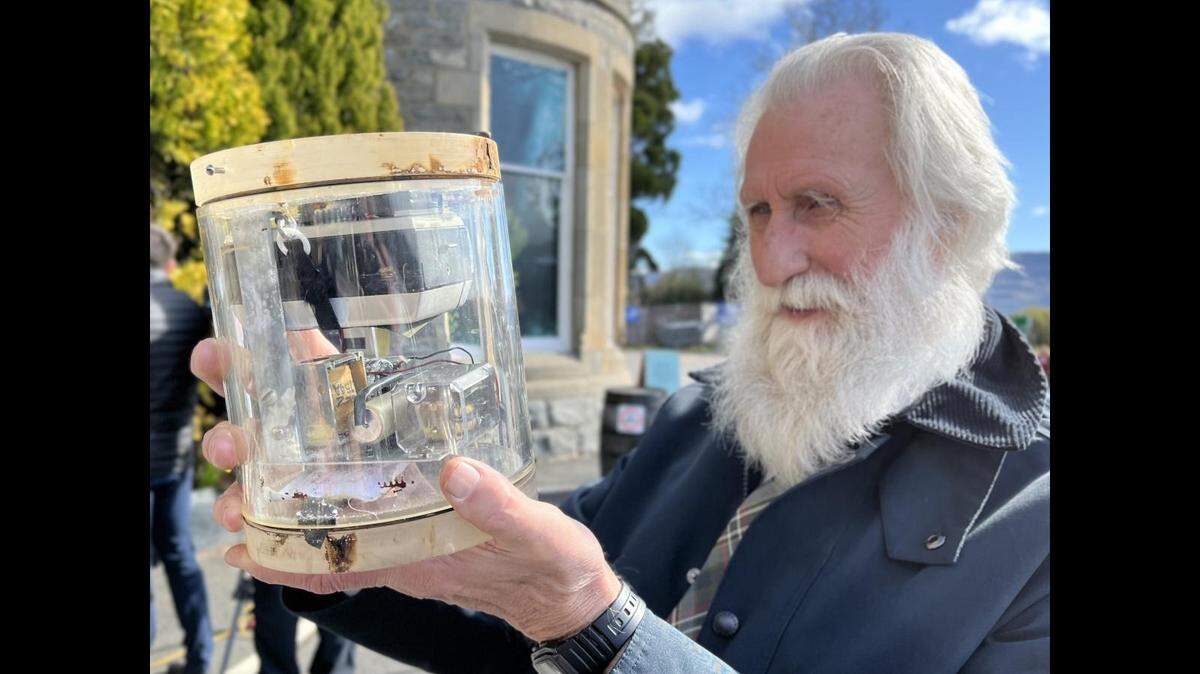
The camera belonged to Roy Mackal, a professor at the University of Chicago and part of the Loch Ness Investigation Bureau, officials said. It was placed in the loch in 1970 in hopes of snapping a photo of its rumored resident.
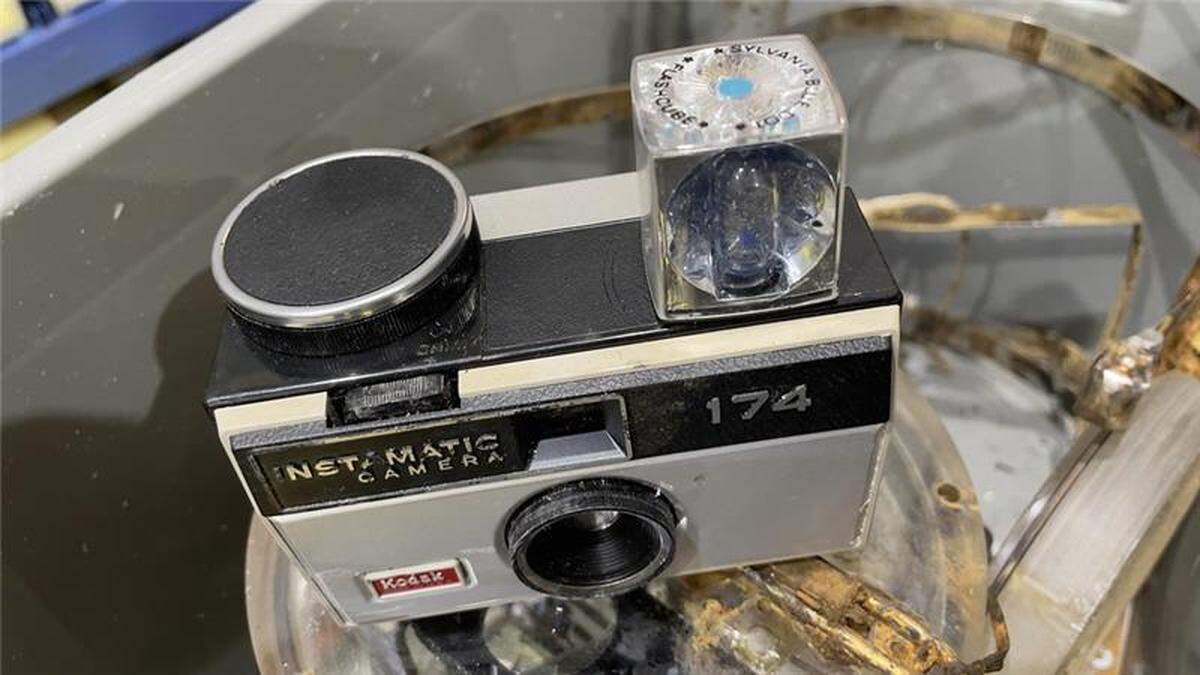
The camera was identified by Adrian Shine, who established The Loch Ness Project in the mid-1970s. He said it was one of six that were deployed in 1970, according to the release.
If accurate, the camera is “thought to be one of the first attempts to catch the Loch Ness monster on film,” the NOC said.
“It was an ingenious camera trap consisting of a clockwork Instamatic camera with an inbuilt flash cube, enabling four pictures to be taken when a bait line was taken,” Shine said in the release. “It is remarkable that the housing has kept the camera dry for the past 55 years, lying around (600 feet) deep in Loch Ness.”
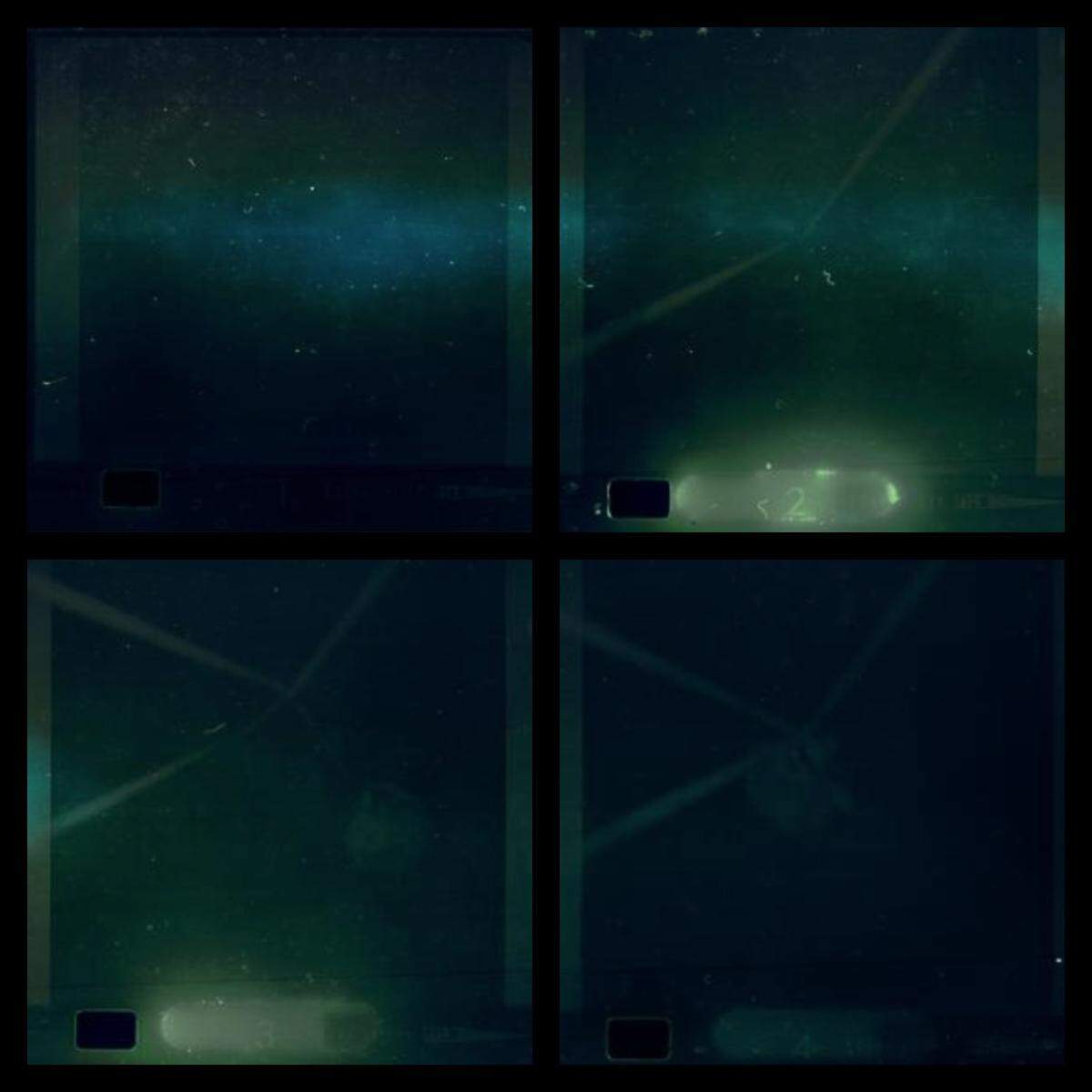
Not only was the camera intact and dry, but the film inside was also in good condition, allowing an NOC engineer to have it developed, the organization said.
The eerie images, taken deep below the surface with barely any light, failed in their mission to capture Nessie.
The “unexpected” find was handed over to The Loch Ness Centre in Drumnadrochit, where it will be put on display as part of the history of Nessie hunting, the NOC said.
“It’s been over 90 years since the first sighting of Nessie, since then there have been many expeditions to find the elusive beast. We are guardians of this unique story and, as well as investing in creating an unforgettable experience for visitors, we are committed to helping continue the search and unveil the mysterious that lie underneath the waters of the famous loch,” Nagina Ishaq, general manager of The Loch Ness Project, said in the release.
Boaty McBoatface is one of three Autosub Long Range vehicles being developed and tested to travel under ice to study the world’s polar regions, according to the NOC. The vehicles are able to return to the surface and transmit data as it’s collected, the organization said, allowing researchers to get data in real time.
Loch Ness is in northern Scotland, about a 180-mile drive north from Glasgow.
This story was originally published April 2, 2025 at 11:42 AM with the headline "Eerie photos found after submarine scouring Loch Ness spots decades-old camera trap."
