Aquatic cave creature with semi-transparent belly discovered as new species in China
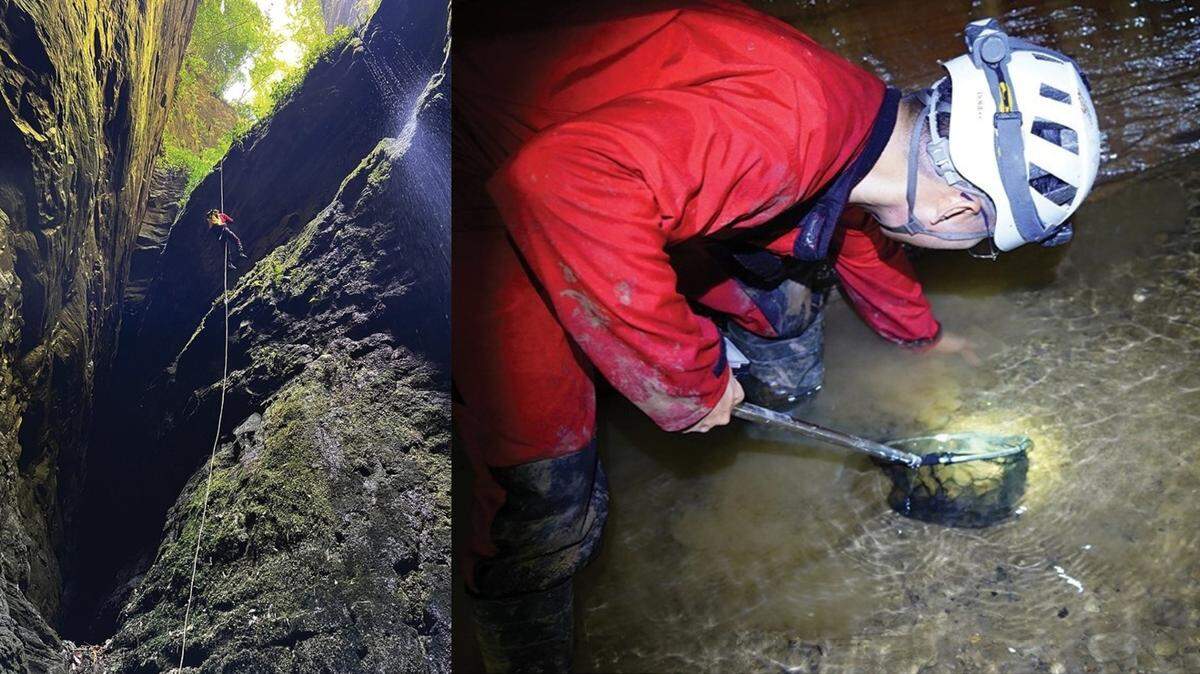
A team of cavers in southwestern China lowered themselves into a shaft-like chasm and ventured into a series of underground tunnels. Eventually, they reached a cold river in the “deep dark zone of the cave.”
Something lurking in the water caught their attention — and turned out to be a new species.
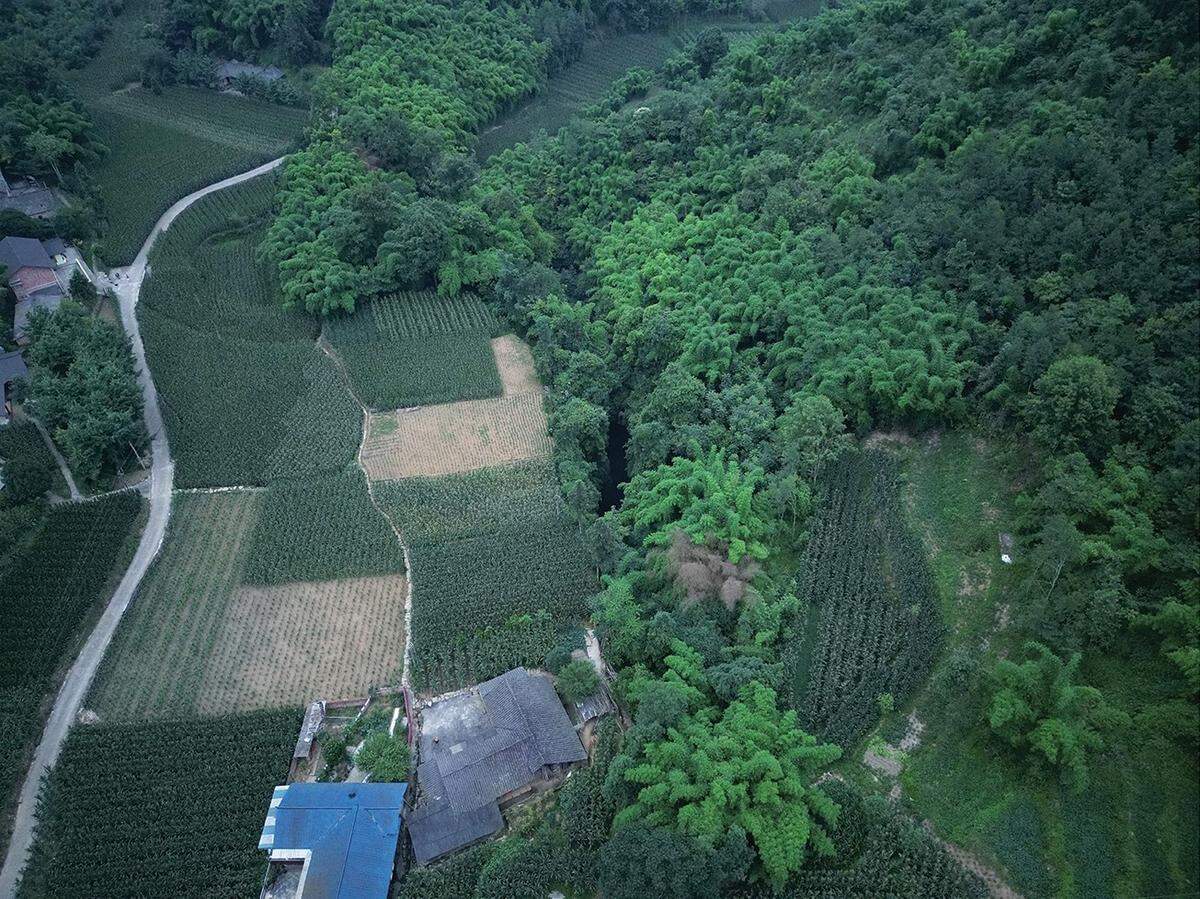
The Sichuan Cave Exploration Team (SCET) visited Taojin Dolomite Cave during the dry season in 2023 and 2024. Situated just off a backroad, the cave is “humid with spacious tunnels” but “inaccessible” during the rainy season’s high water levels, according to a study published March 26 in the peer-reviewed journal Zoosystematics and Evolution.
During their expeditions, the team reached a subterranean river with some unfamiliar-looking fish, the study said. Intrigued, they scooped up several fish and carefully transported them to laboratory aquariums for further observation.
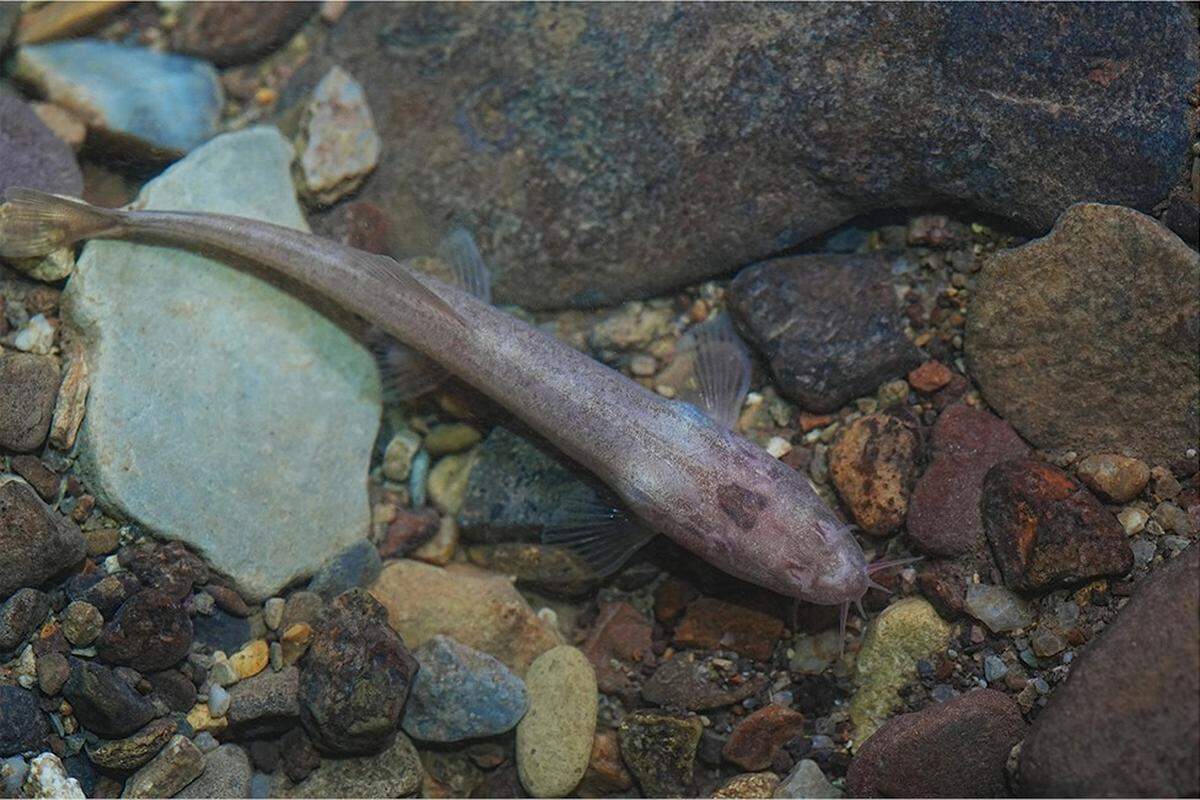
Scientists took a closer look at the cave-dwelling fish, tested its DNA and quickly realized they’d discovered a new species: Claea scet, or the SCET stone loach.
SCET stone loaches have “elongated” bodies, reaching about 2.5 inches in length, the study said. They are “entirely scaleless and smooth” with “pointed” snouts,” “thin” lips and “reduced” eyes.
Photos show the “pinkish”-gray coloring of the new species in its natural habitat and an aquarium. Its belly is “semi-transparent” and it has “sparse pigmentation.”
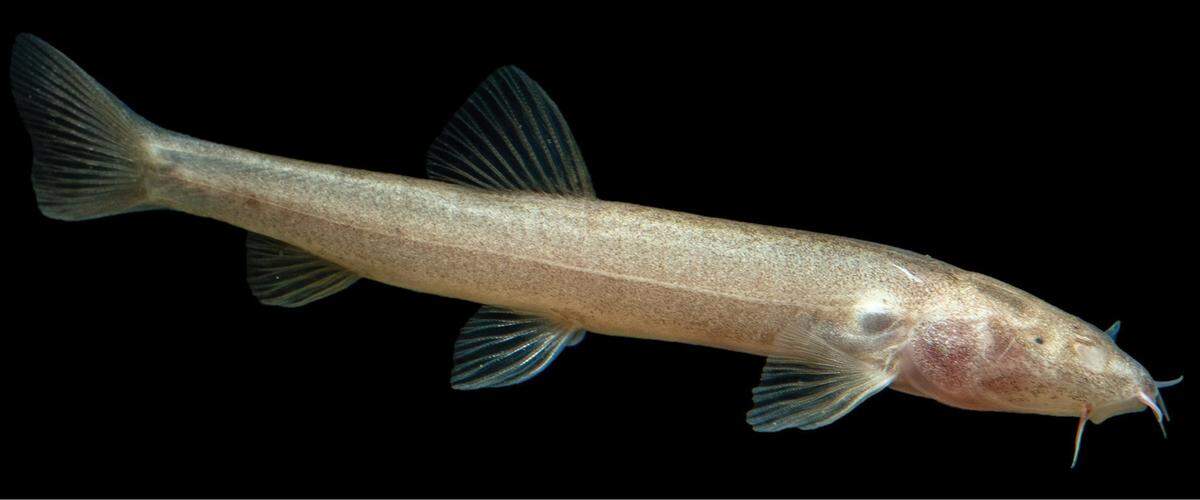
Generally, the Claea group of stone loaches live in rapidly flowing above-ground rivers. The new species is the first “obligatory” cave-dwelling Claea species and the first Claea species to show typical cave-adapted traits, such as its “reduced pigmentation and eyes,” researchers said.
The discovery of SCET stone loaches “underscores the potential for undiscovered (cave-dwelling) fish diversity within Sichuan’s subterranean hydrological networks,” the study said.
Researchers said they named the new species after the Sichuan Cave Exploration Team that collected the fish and “in recognition of their contributions to the understanding of cave fishes of Sichuan Province.”
So far, SCET stone loaches have only been found at Taojin Dolomite Cave in Sichuan Province, a region of southwestern China, the study said.
The new species was identified by its preferred habitat, eyes, teeth, body proportions and other subtle physical features, the study said. DNA analysis found the new species had at least about 2% genetic divergence from other related fish species.
The research team included Hao-Tian Lei, Li He, Jun-Hao Huang, Jia-Jun Zhou and De-Kui He.
This story was originally published March 27, 2025 at 7:37 AM with the headline "Aquatic cave creature with semi-transparent belly discovered as new species in China."