Rare ‘woolly’ creature - with odd sonar tool on face - is discovered in eastern Andes

Throughout the cloud forests of the Ecuadorian Andes, researchers hung nearly invisible “mist” nets between the trees hoping to catch an elusive “woolly” species rarely studied in the wild.
The team was looking for Sturnira koopmanhilli — a rare, vulnerable bat species.
Much of what is known about the bat has been learned from studying museum specimens, so scientists launched a field expedition to fill in some of the knowledge gaps about the species, according to a study published March 19 in the journal Check List.
The koopmanhilli bat, discovered in 2006, is mainly found in the Chocó biogeographic region of Ecuador and Colombia — a biodiverse region home to a massive variety of plant and animal species, many of which are found nowhere else in the world, researchers said.
During their expedition, researchers caught 10 bats in seven new locations, according to the study.
Two of the bats were recorded for the first time “on the eastern slopes of the Ecuadorian Andes,” significantly extending their known range, researchers said.
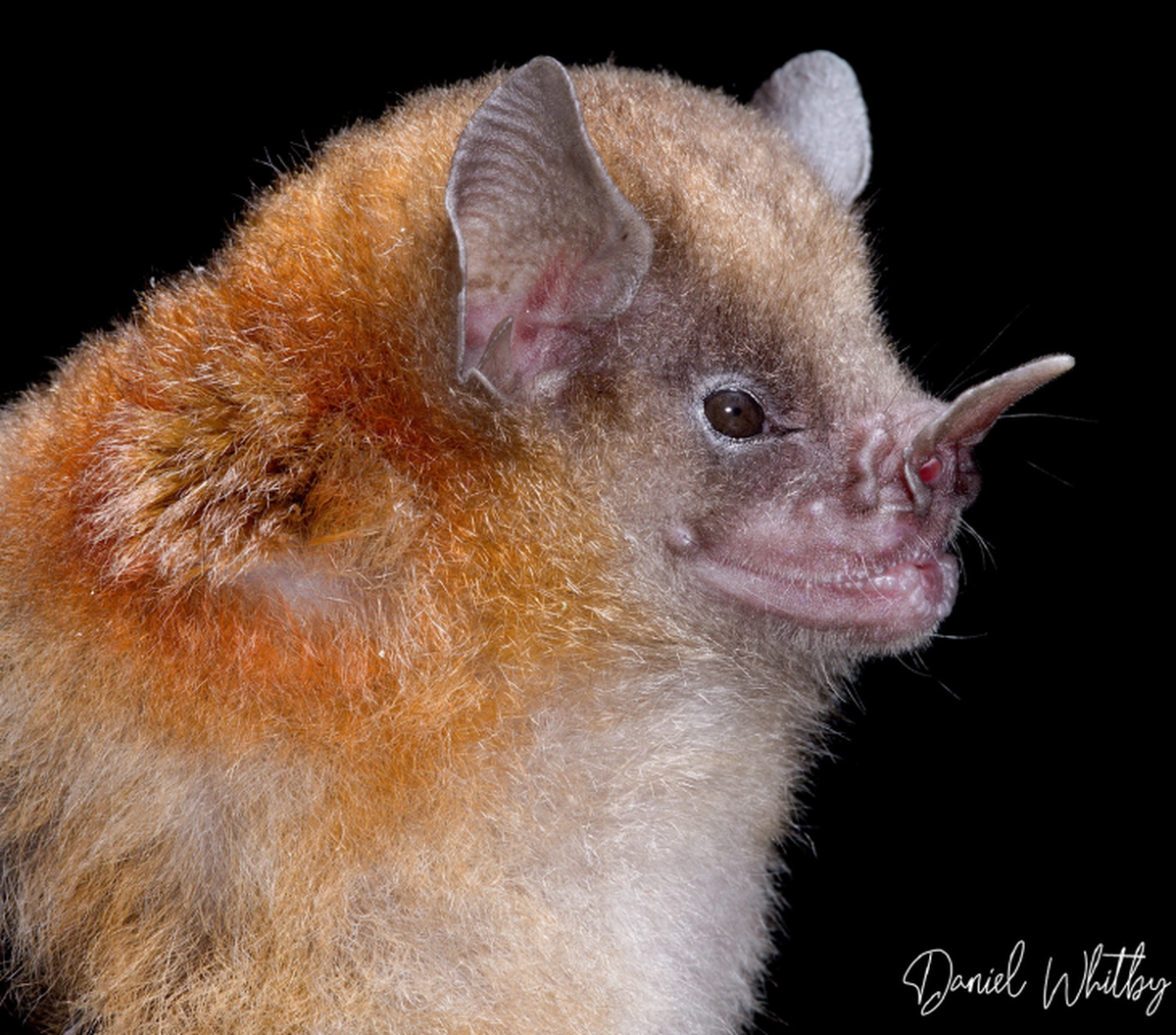
The koopmanhilli bat belongs to a family of bats known for their leaf-shaped noses that serve as an echolocation tool, used to help them precisely direct their sonar, according to a study.
Adults, all between 2.7-3 inches long, were described as having “soft, woolly” fur with shoulders tinted orange from gland secretions. The older the bat, the more orange their shoulders were, according to researchers.
“Valuable images and genetic material are now available for other researchers interested in identifying this species,” researchers said.
Researchers said collecting baseline information on the bat in its natural habitat is a “crucial” part of the conservation of this rare species.
The koopmanhilli bat is threatened by “human disturbances” to their habitat, specifically large swaths of continuous forest being broken down into smaller patches, often for agriculture or resource extraction.
The research team included Marco A. Rodríguez-Segovia, Laura Simba and Jorge Brito.
This story was originally published March 24, 2025 at 10:10 AM with the headline "Rare ‘woolly’ creature - with odd sonar tool on face - is discovered in eastern Andes."