‘Iridescent’ creature with ‘chevron’ pattern found in Kenya swamp. It’s a new species
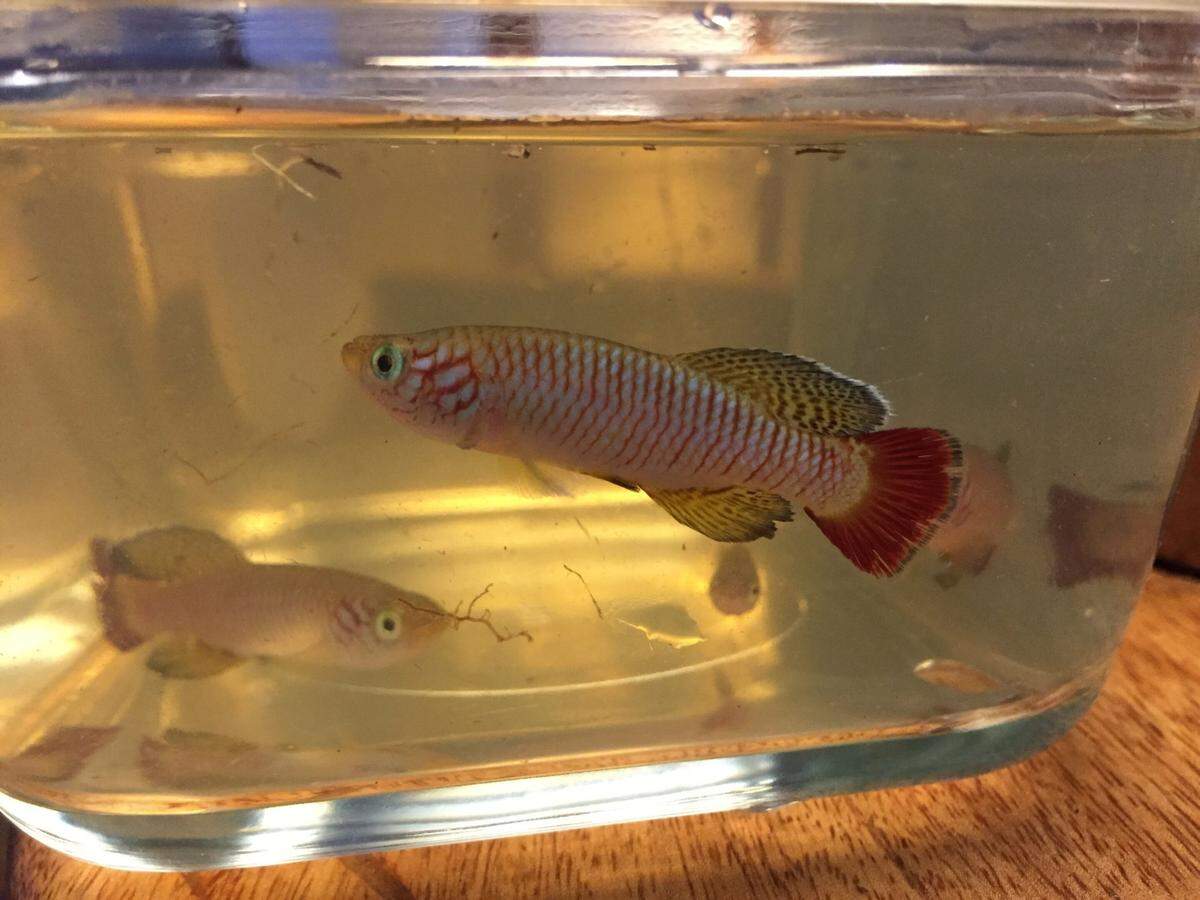
In a glorified puddle in southeastern Kenya, an “iridescent” creature with a “chevron” pattern swam through the muddy water. Its remote home and short lifespan helped it go largely unnoticed — until recently.
When scientists stumbled across the aquatic animal, it turned out to be a new species.
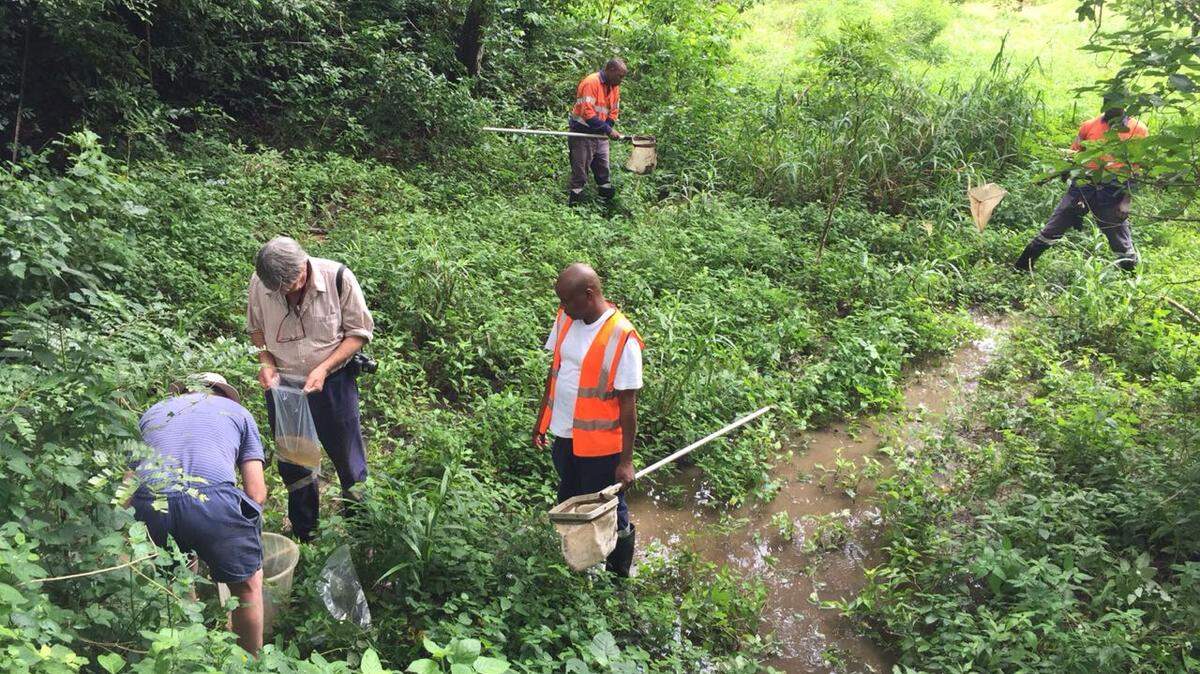
“The collection was not specifically planned and was actually coincidental,” scientist Dirk Bellstedt told McClatchy News via email. He had been invited to a forest near Gazi village, Kenya, in 2017 along with a team of other researchers to see a rehabilitated mining area.
When Bellstedt arrived, he noticed some “ephemeral swamps” and started wondering if these pools could be home to any Nothobranchius killifishes, a group of small fish that live in “unstable” environments but had never been found in a forest.
The research team geared up and waded into the murky waters. Sure enough, they found several unfamiliar-looking killifish, according to a study published March 6 in the peer-reviewed journal Zootaxa.
Intrigued, researchers took a closer look at the fish, tested their DNA and kept a few in an aquarium to observe their behavior. The team soon realized they’d discovered a new species: Nothobranchius sylvaticus, or the forest killifish.
Forest killifishes are considered “medium-sized,” reaching about 1.5 inches in length, the study said. They have “robust” bodies with “long” heads and “large” eyes.
Stellenbosch University shared photos of the new species in a March 12 news release via Phys.org. The fish’s scales are “iridescent” with a darker edge, “creating irregular vertical chevron-shaped stripes,” the study said.
Like other Nothobranchius fish, the new species has an annual life cycle, researchers said. The fish live in seasonal pools and ponds formed during the rainy season and lay their eggs in the muddy ground. When the pools dry up, the adult fish die off. When the rains return, the eggs hatch, grow “rapidly” and repeat the cycle.
Generally, Nothobranchius killifish have “a low ability to compete, with most offspring dying before reaching reproductive age,” the study said.
Forest killifishes are unusual because of their preferred forest habitat. “The genus inhabits savannah grassland as a rule,” Bellstedt said. “This is the first of around 100 species in the genus to be found in a forest.”
Researchers said they named the new species after the Latin words “pertaining to” and “forest” because of its “distinctive habitat preference.”
Forest killifish are facing several threats because the forest near Gazi village is used for agriculture, livestock and mining, among other activities, the study said. As a result, researchers believe the new species is already critically endangered. They encouraged “preservation of this habitat.”
The new species was identified by its coloring, scale pattern, fins, habitat and DNA, the study said.
Gazi village is on the southeastern coast of Kenya, a roughly 330-mile drive southeast from Nairobi and near the border with Tanzania.
The research team included Bellstedt, Béla Nagy, P. De Wet Van Der Merwe, Fenton Cotterill, Quentin Luke and Brian Watters.
This story was originally published March 14, 2025 at 7:51 AM with the headline "‘Iridescent’ creature with ‘chevron’ pattern found in Kenya swamp. It’s a new species."