Rainforest creature with ‘heart-shaped’ tongue found in Ecuador. It’s a new species
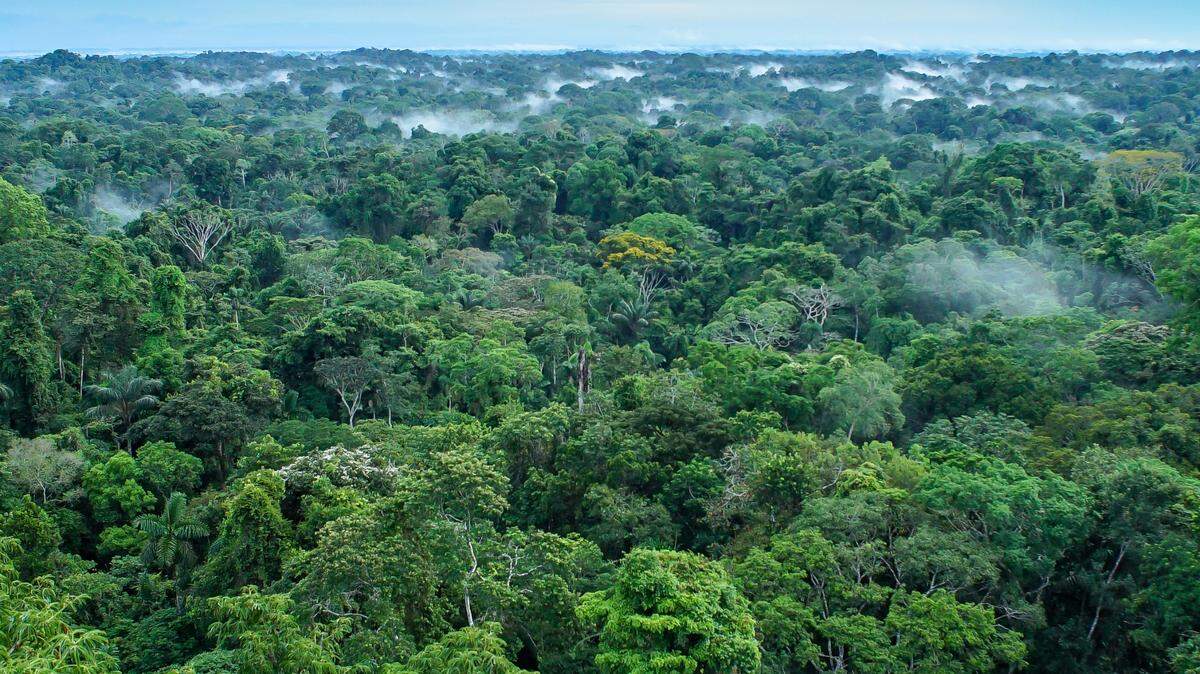
As night fell across a rainforest in northwestern Ecuador, a “large”-eyed creature with a “heart-shaped” tongue perched on some foliage and began calling. The “distinct” sound was intended to attract a mate — but attracted nearby scientists instead.
The calling animal turned out to be a new species.
A team of researchers set out to study the hourglass tree frog, a “small, brightly colored species” found in Central and South America. They had seen DNA analyses which suggested the tree frogs in Ecuador didn’t match the rest of the species so they decided to investigate, according to a study published Feb. 21 in the peer-reviewed journal Evolutionary Systematics.
The team collected over 130 of these Ecuadorian tree frogs by combing museum archives, searching the rainforest and raising some eggs in captivity, the study said.
A pattern began to emerge. The frogs from Ecuador were subtly but consistently different from hourglass tree frogs found elsewhere. Researchers realized they’d discovered a new species: Dendropsophus cannatellai, or Cannatella’s tree frog.
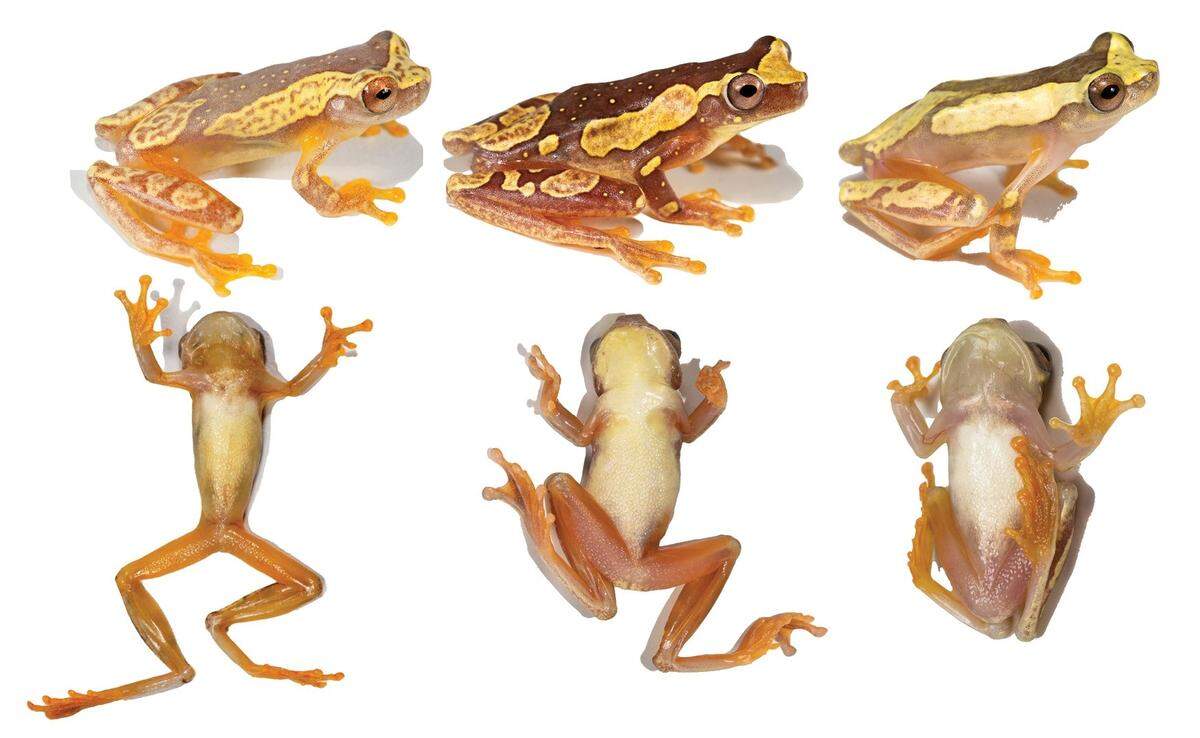
Cannatella’s tree frogs can reach about 1.3 inches in length, the study said. Their heads have “short” snouts, “heart-shaped” tongues and “large, prominent” eyes. Their arms are “short” but “sturdy,” while their legs are “large” with webbed feet.
Photos show the brown coloring of the new species. Brighter yellow and golden blotches run along its forehead, sides and lower back. Seen from below, the frogs’ undersides are creamy yellow with orange-tinged limbs.

Cannatella’s tree frogs live in “warm and humid” rainforests but are most often found in “artificial open areas, near ponds and puddles,” researchers said. Male frogs make a “distinct” sound and call “from leaves or grasses” in the evening.
A breeding pair of Cannatella’s tree frogs were kept in captivity and laid a clutch “with 190 eggs,” the study said. Researchers raised these eggs and photographed the frogs at various stages of their growth.
Researchers said they named the new species after David Cannatella because he collected the first specimens and “has contributed extensively to the study of systematics and evolution of neotropical amphibians.”
Cannatella’s tree frogs have been found in several sites of northwestern Ecuador and likely occur across the border in neighboring southwestern Colombia, the study said.
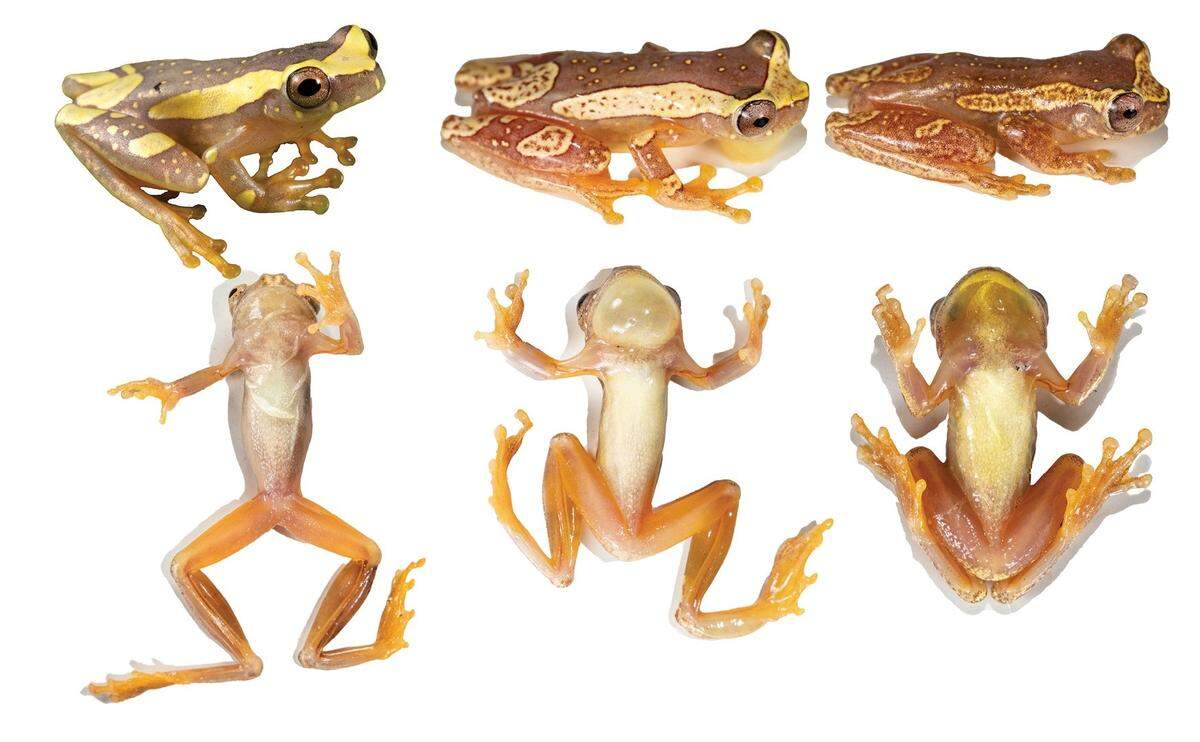
Researchers considered the new species to be near threatened but said it “appears to thrive in human modified habitats.”
The new species was identified by its call sound, body size, coloring and other subtle physical features, the study said. DNA analysis found the new species had at least about 3% genetic divergence from other related frog species.
The research team included P. Doménica Aguirre, Katherine Apunte and Santiago Ron.
This story was originally published February 25, 2025 at 8:53 AM with the headline "Rainforest creature with ‘heart-shaped’ tongue found in Ecuador. It’s a new species."