Spiky venomous creature — caught off Japan coast — discovered as new species. See it

Off the coast of Japan, a small, spikey orange fish was caught on the end of a fishing line.
The creature was pulled more than 500 feet to the surface and it was identified as a scorpionfish, a kind of rock-dwelling fish armed with venom-filled spines.
Now, researchers have discovered that the scorpionfish was different from anything they’d seen before, and it’s a species new to science.
Phenacoscorpius trispinis, or the noslit scorpionfish, was caught in a rocky area of Sagami Bay, on the east coast of Japan, according to a study published Jan. 11 in the peer-reviewed journal Ichthyological Research.
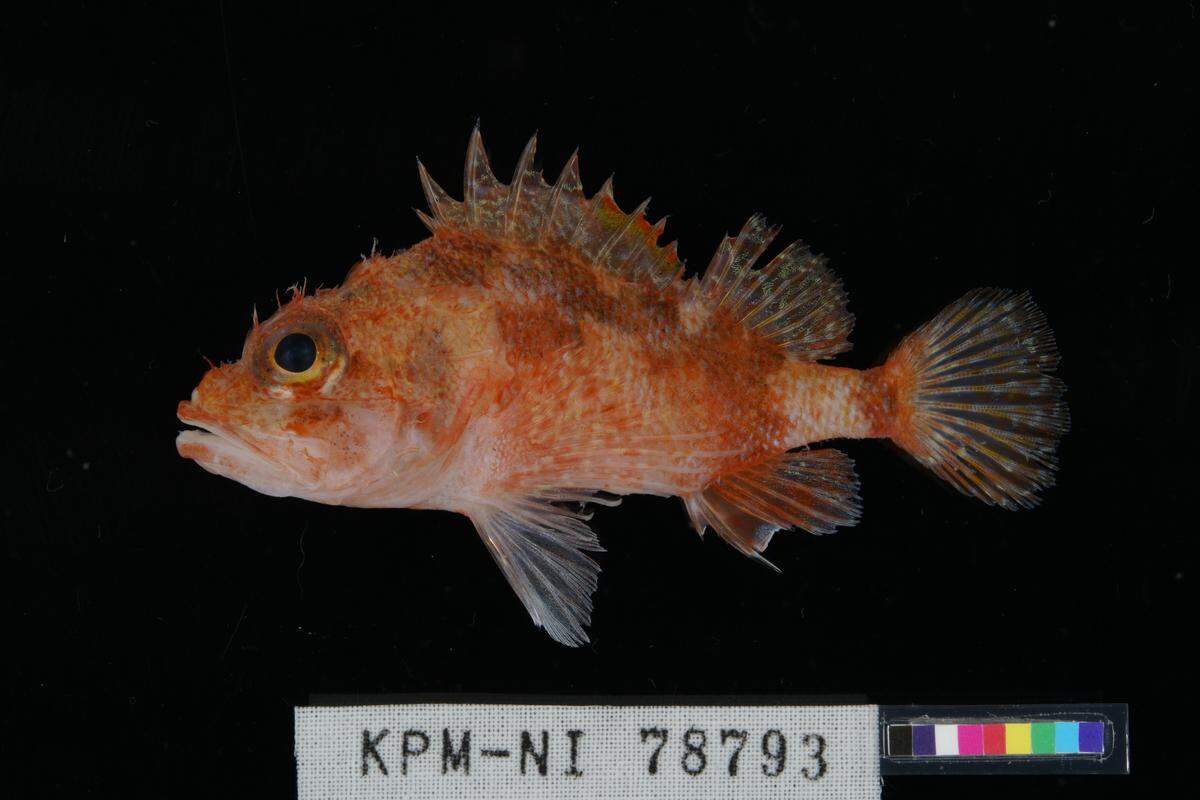
The fish has a “body and head bright orange, with irregular blackish blotches on cheek,” researchers said, and the membranes of the fins are more yellowish.
Spines hold the dorsal fin up from the fish’s back, starting with longer spines and going to shorter spines toward the tail, with three spines on its anal fin, according to the study.
The fish has a “large” mouth and there are “simple, sharp” and “conical” spines near the nasal, researchers said.
“The species name ‘trispinis’ is a combination of Latin, ‘tri’ (meaning three) and ‘spinis’ (spine), referring to the holotype (or primary specimen) having three spines on the lacrimal bone, as opposed to other species of Phenacoscorpius, which usually lack the (third) spine, instead having 1 or 2 spines,” according to the study.
The fish earns its English name, the noslit scorpionfish, because of a lack of slit behind the last gill arch, researchers said.
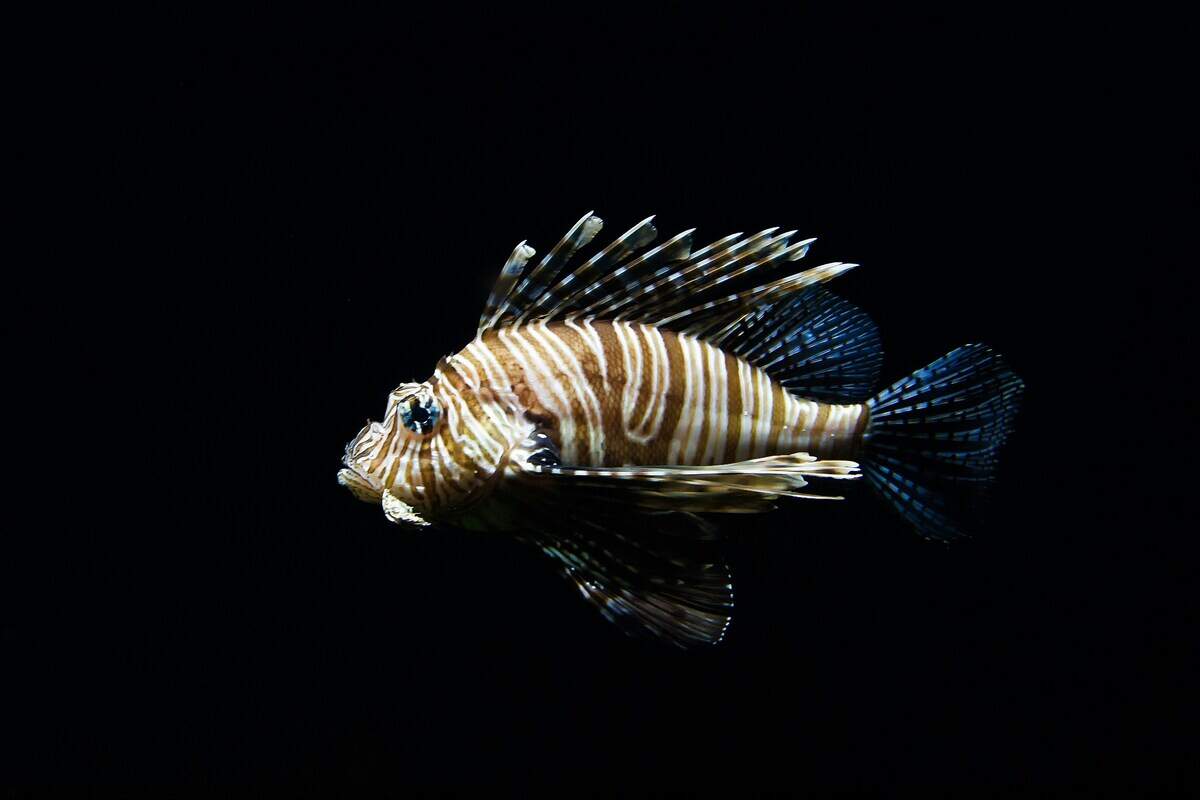
Scorpionfish are bottom-dwellers, and sometimes called rockfish or stonefish, according to Oceana International.
Their spiky and sometimes colorful body helps them blend in on the reefs they typically call home, the organization said, and they spend their days sitting and waiting for prey to approach before pouncing with their large mouths.
Most notably, the long spines on their fins are filled with venom that can be potentially fatal to any predators trying to take a bite, and a poke from the spines can be extremely painful for people, according to Oceana International.
Lionfish are probably the most widely known scorpionfish, an invasive species in the Gulf of Mexico that took off in the early 21st century and are now fished as pests.
Scorpionfish species are found throughout temperate and tropical ocean coastlines.
The new species was found in Sagami Bay on the east-central coast of Japan between Kamakura and Hakone.
The research team includes Tatsuya Matsumoto and Hiroyuki Motomura.
This story was originally published January 27, 2025 at 1:39 PM with the headline "Spiky venomous creature — caught off Japan coast — discovered as new species. See it."