Retiree accidentally imports moth-infested house plant — and discovers new species
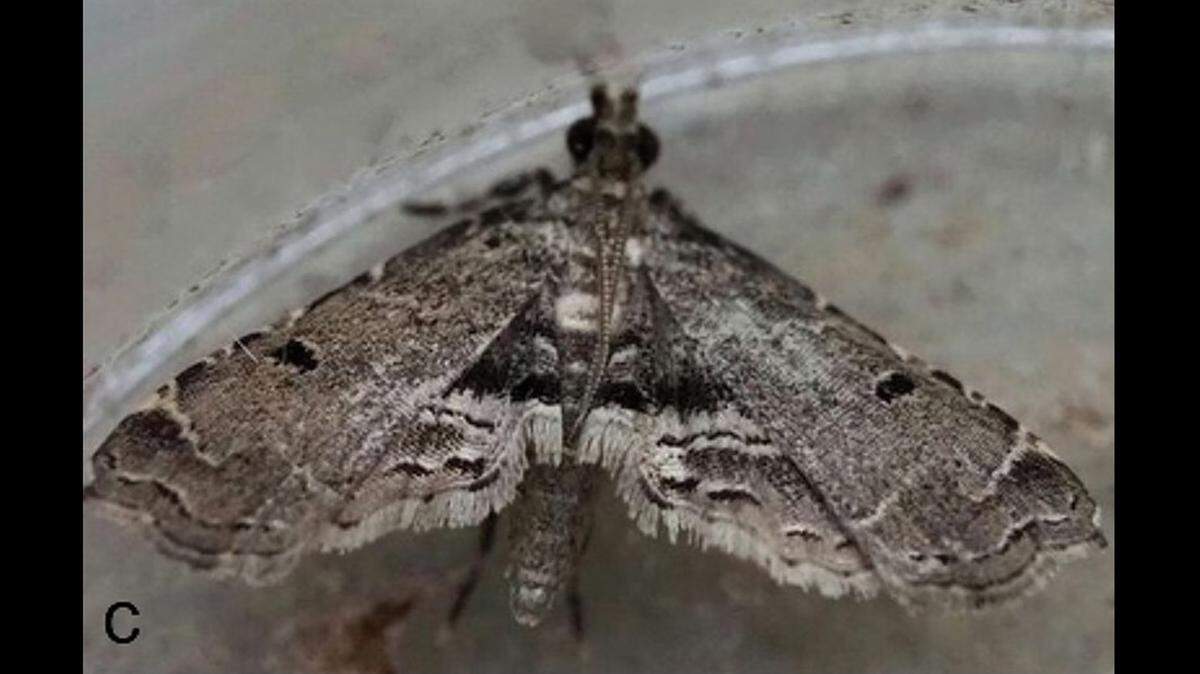
A man in Scotland accidentally imported a moth-infested plant and sparked the discovery of a new species, likely native to Southeast Asia.
Martin Culshaw was reading emails at home in Stirlingshire in July 2022 when “my wife called out that this small moth had flown out of her indoor cheese plant as she was watering it,” he wrote in an online forum at the time.
Culshaw, a retired forensic psychiatrist and decadeslong moth enthusiast, “initially thought it was just an interesting looking micromoth … one I wasn’t familiar with but would quickly work out on checking my field guide,” he told McClatchy News via email.
But the dusty gray moth stumped him.
He shared a photo online, and the “mystery specimen” caught the attention of scientists, according to a study published Jan. 3 in the peer-reviewed journal Nota Lepidopterologica.
Researchers realized Culshaw had accidentally imported the moth on a palm plant from the Netherlands, so they began a “process of elimination” to identify it. They asked moth experts from around the world if they’d seen anything like it and searched archives in the United Kingdom for any matching specimens.
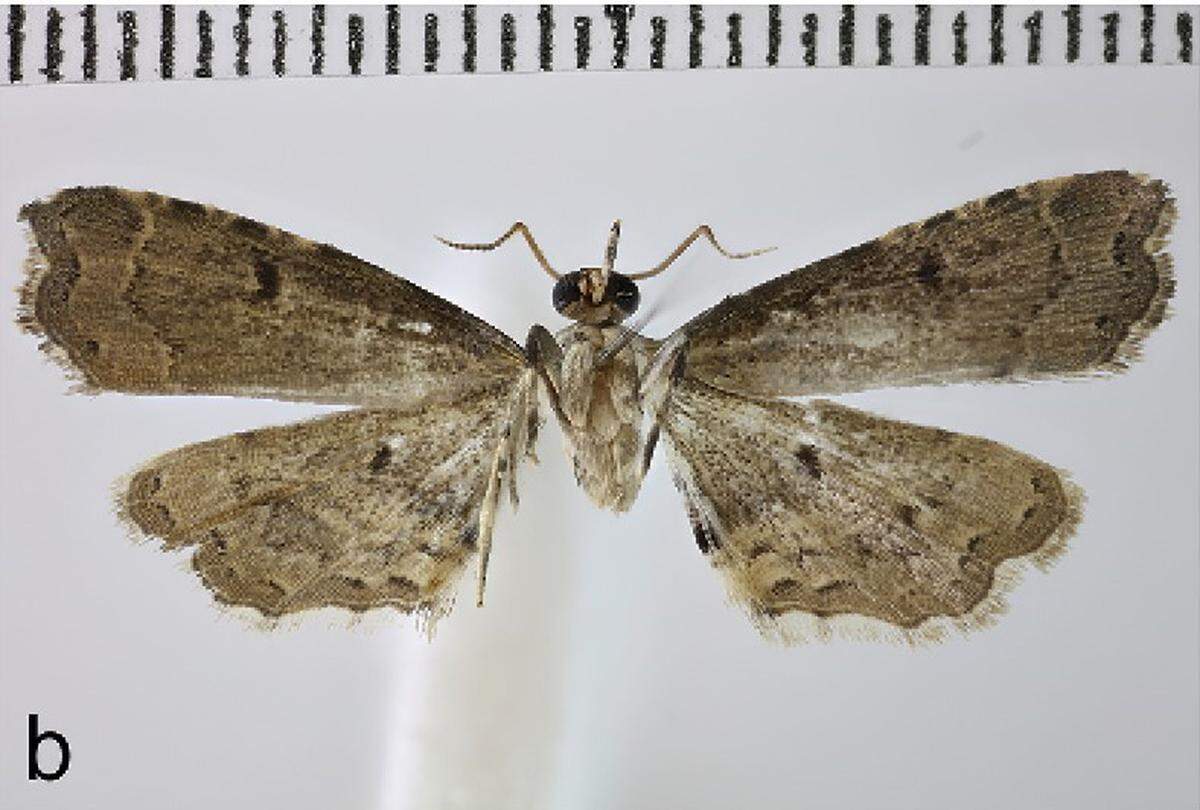
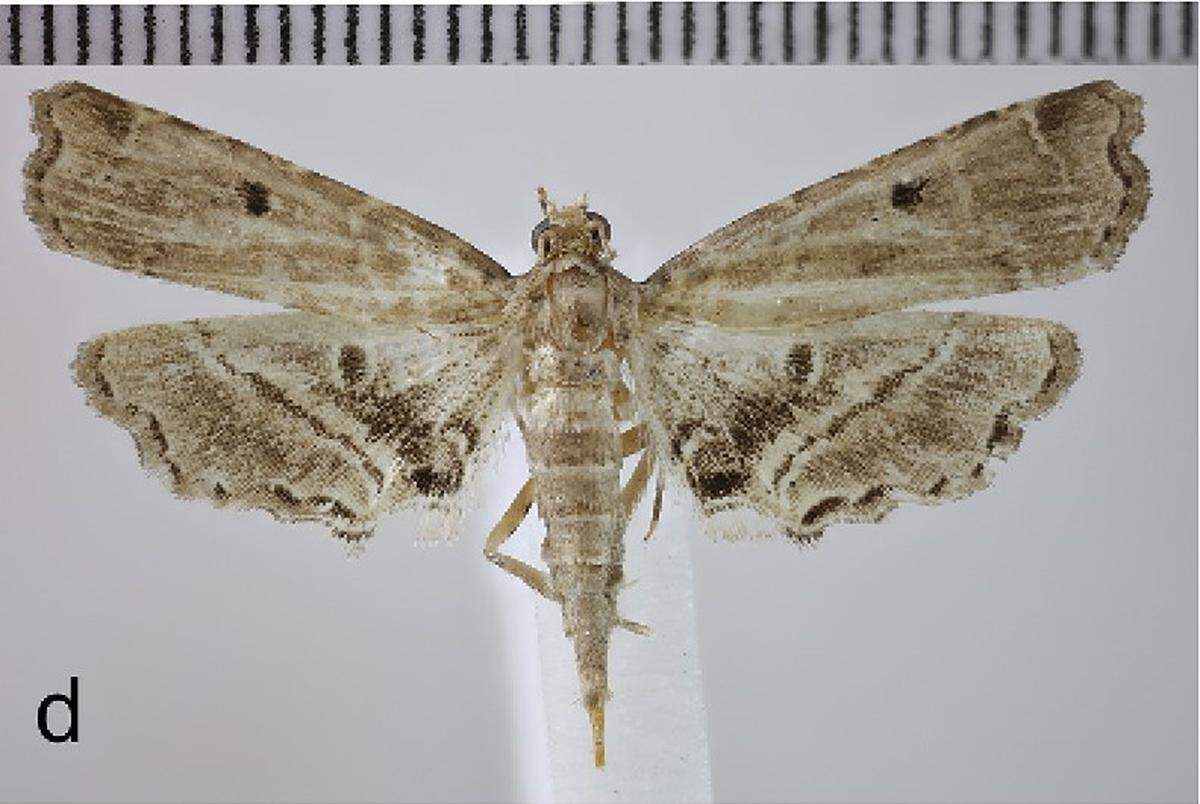
Eventually, researchers tracked down one matching moth reared in Japan in 1987, the study said. They took a closer look at the two moths, analyzed their DNA and soon realized they’d discovered a new species: Sufetula culshawi, or Culshaw’s micromoth.
Culshaw’s micromoth has a wingspan of roughly half an inch, researchers said. Photos show its gray hue, hairy body and mixture of black and white spots.
The new species probably lives on the roots of Areca palms, a “common” houseplant, and likely originates from either Japan or “tropical Southeast Asia,” the study said.
Researchers said they named the new species after Culshaw.
“It still feels quite unreal,” Culshaw told McClatchy News. “I feel honoured and privileged to have my name associated with a species of animal for posterity.”
“A huge thank you to the expert Scottish lepidopterists and the Natural History Museum in London who further analysed the moth and undertook the required research to establish that it was a new species,” Culshaw said.
The research team included Mark Young, Peter Hall, Nigel Richards and David Lees.
This story was originally published January 3, 2025 at 1:08 PM with the headline "Retiree accidentally imports moth-infested house plant — and discovers new species."