Surprise 18th-century home found on UK estate used to film ‘Game of Thrones.’ See it
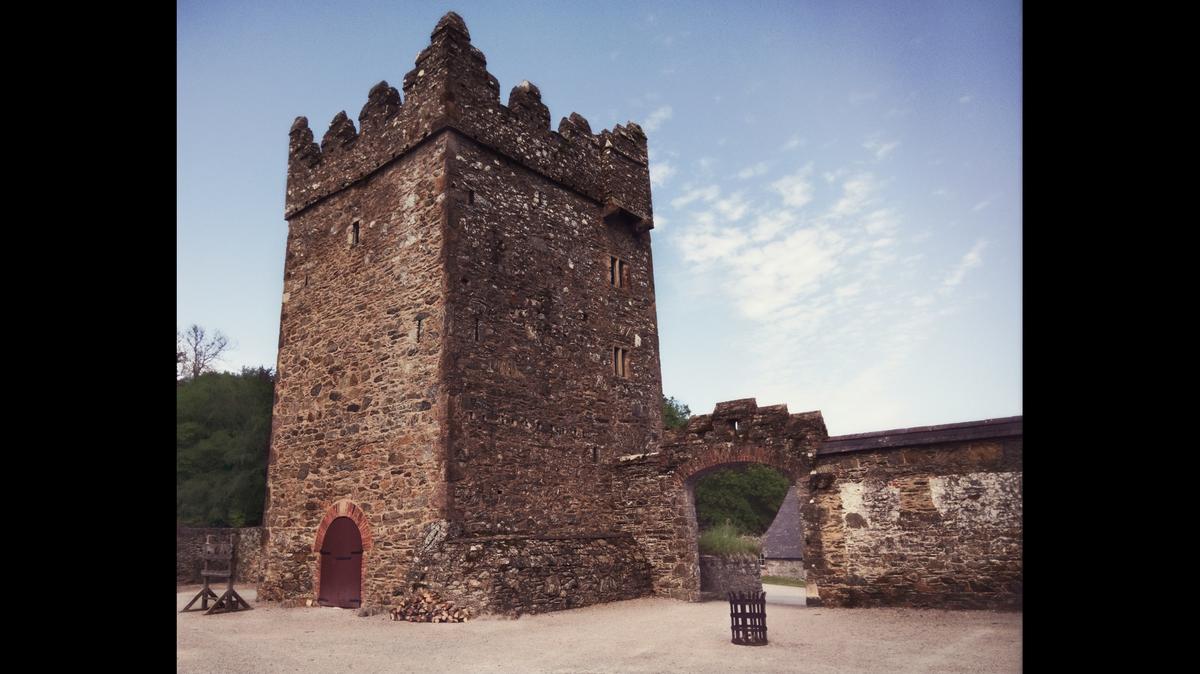
During epic battles and contentious confrontations, the Castle Ward estate provided the backdrop for multiple scenes from the HBO award-winning television series “Game of Thrones.”
But long before the estate was home to a production team and the Starks of Winterfell, the Northern Ireland mansion and grounds were home to a different kind of battle: architectural.
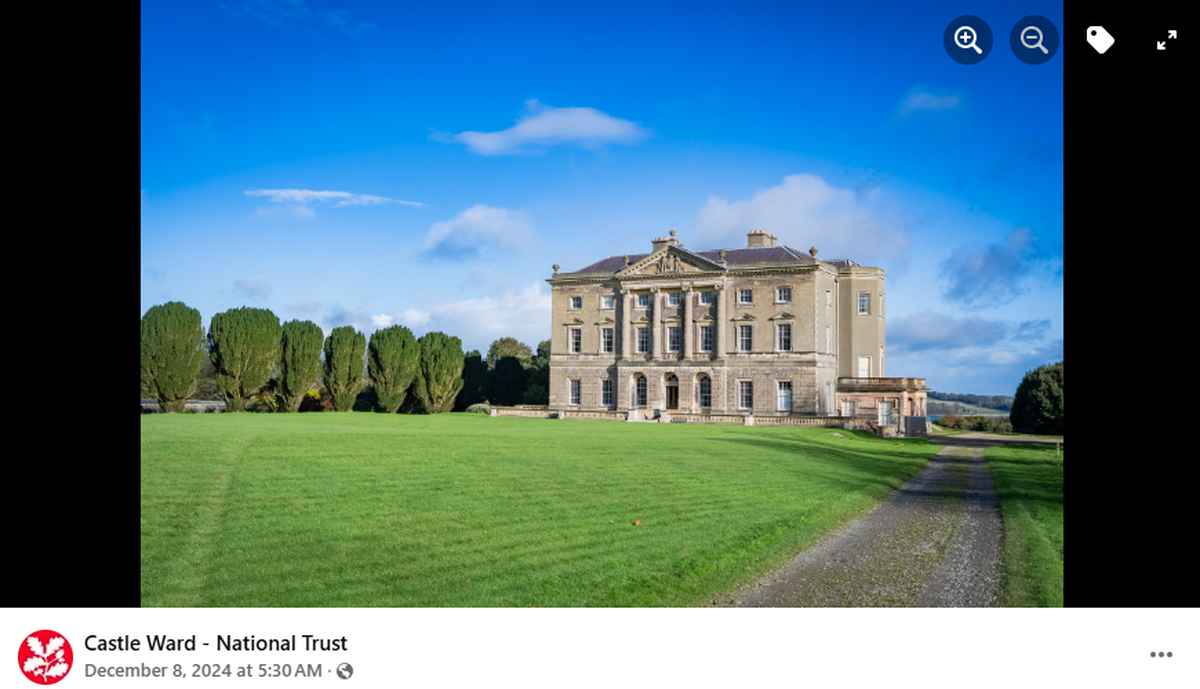
Castle Ward was built by the first Viscount Bangor, Bernard Ward, between 1766 and 1781, but he and his wife, Lady Anne, disagreed on the style the home should highlight, historians said.
Part of the home is in the Gothic style similar to the places Lady Anne knew from her life as a relative of the royal family. The other half, however, followed the taste of the viscount and was more classical.
Now, a new discovery on the property may provide some more insight into the design choices made at the estate, as well as what daily life was like nearly 300 years ago.
During routine work on the drainage system at the country estate, the foundations of a building complex dating back three centuries was discovered, historians told the Belfast Telegraph on Jan 2. There are no records of the buildings in the historical maps or documents associated with the estate, so the discovery took researchers completely by surprise.
“There was nothing on our maps that was showing anything to be there and then, lo and behold, they stumble upon and suddenly find previously unknown building remains,” archaeologist Malachy Conway with the National Trust told the outlet.
Researchers cataloged “drains, floors, plaster walls and lots of interesting evidence of day to day life in the 18th century,” officials said in a Dec. 13 Facebook post.
Before the Wards built the mansion still standing today, an original house sat on the property likely built in the early years of the 18th century, historians told the BBC. The newly discovered complex could date back as far as the late 1600s or early 1700s, suggesting the ruins may have served as farm-related buildings or were used for some other domestic purpose.
“By and large, these are non-residential buildings, it’s almost a sort of mini-stable yard, or it’s a place where you’ve got possibly a little dairy or maybe where the laundry was,” Conway told the Belfast Telegraph. “We think this was the precursor to what was then built at the new house, the stable yards you see today.”
Historians believe they may have been destroyed to avoid being an eyesore as the human-made canal and estate gardens have become some of the “most important” and last standing of their kind in Northern Ireland.
“The canal was built in 1728 by Judge Michael Ward. It created a formal landscape and was designed to reflect the picturesque ruins of Audley Castle at one end and Lady Anne’s Temple along one side,” historians said. “The canal is (about 1700 feet) long and is the largest ornamental garden feature to survive in Ireland from the early 18th century.”
Michael Fearon, from the Northern Archaeological Consultancy, told the Belfast Telegraph the team was clearing dense vegetation and trees for the pipework when it discovered the first evidence.
“What looked like just a few bricks at the start just kept expanding and expanding once we went in with the machine to investigate what it was,” Fearon told the outlet. “It was a big surprise.”
Castle Ward is in eastern Northern Ireland, about a 30-mile drive southeast from Belfast.
This story was originally published January 2, 2025 at 2:30 PM with the headline "Surprise 18th-century home found on UK estate used to film ‘Game of Thrones.’ See it."