Diver spots ‘large’-eyed sea creature lurking in cave — and discovers new species
Off the coast of Cabo Verde, a diver plunged into the shadowy waters of a coastal cave. Inside, they found a “large”-eyed sea creature with “needle-like” spines on its tail.
It turned out to be a new species.
Scientist Karl Wittmann spent over a decade scuba diving at islands off the northwestern coast of Africa in search of unfamiliar-looking shrimp, he wrote in a study published Dec. 30 in the peer-reviewed Biodiversity Data Journal.
During his dives and other survey efforts, Wittmann found dozens of shrimp with “large” eyes. He took a closer look at the animals and realized he’d discovered a new species: Mysidopsis canariensis, or the Canary Islands mysid shrimp.
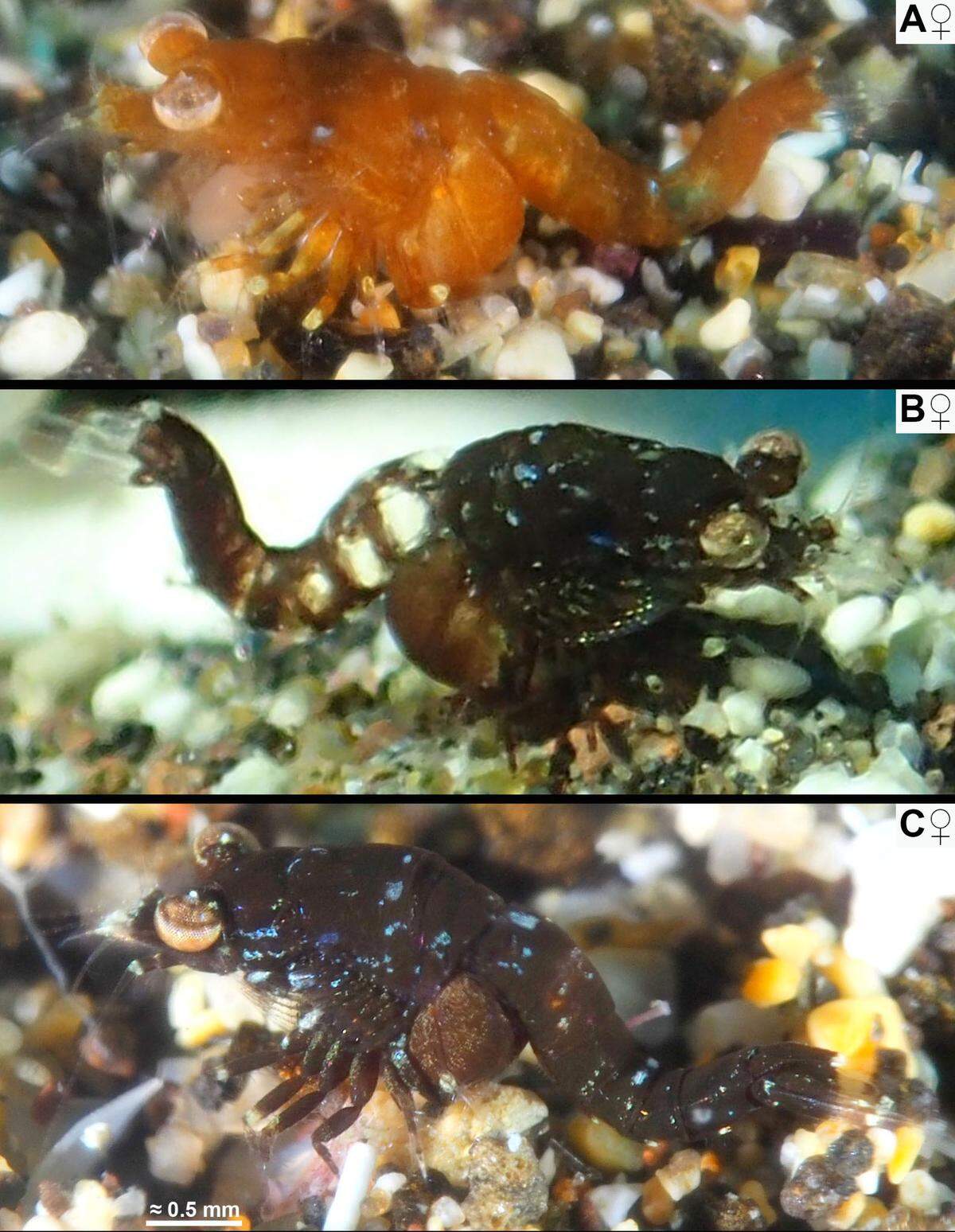
Canary Islands mysid shrimp measure less than a quarter of an inch long, the study said. They have “stout” bodies, and their “bent” tails have several “thin, needle-like” spines on the end.
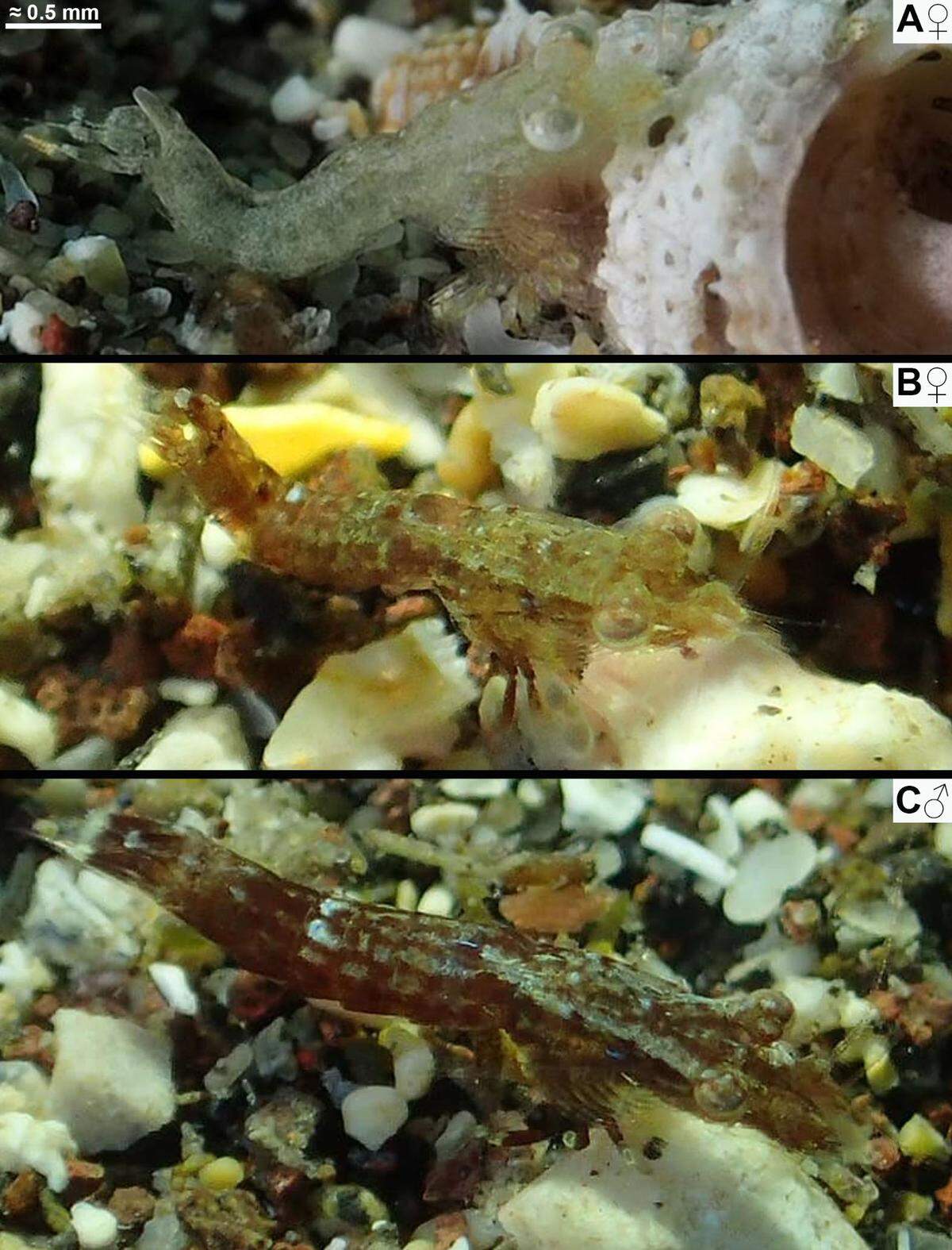
Photos show the color variation of the new species. Wittmann recorded “at least six strongly different colour variants,” ranging from orange to brown to white to yellow.
Some Canary Islands mysid shrimp had a “cryptic” coloring and blended in with their surroundings, while others stood out, the study said.
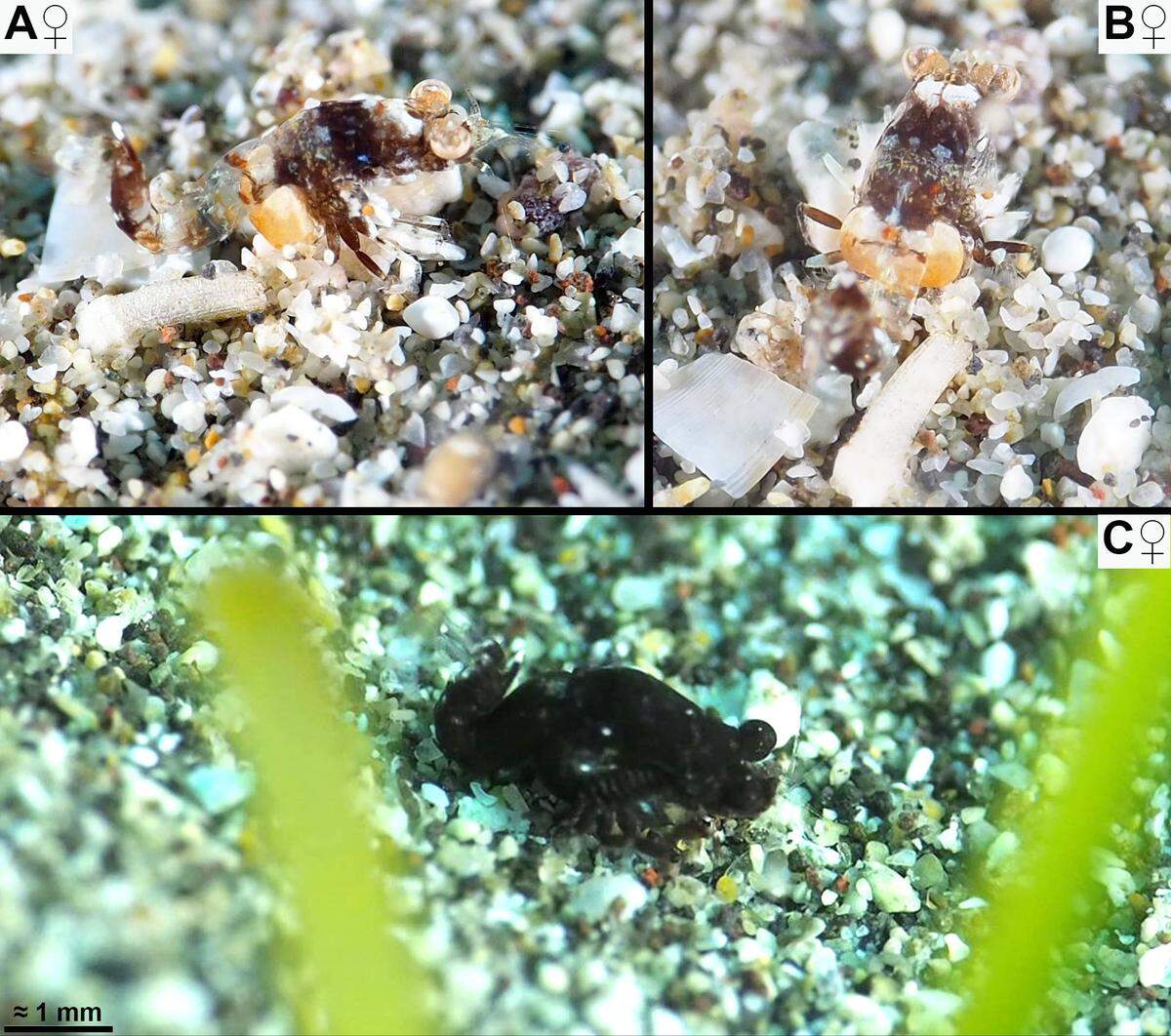
The new species lives just above the sea floor at depths of about 15 feet to 100 feet, Wittmann said. It was caught by divers and trawling boats in a variety of places, including an underwater cave, near “stones and rock,” on the sand and in algae.
Wittmann said he named the new species after the Latin word “canariensis” used to refer to the “inhabitants of the Canary Islands” because of where it was first discovered.
So far, Canary Islands mysid shrimp have been found near seven islands off the northwestern coast of Africa, the study said. These sites include the Canary Islands, a Spanish territory near Morocco and the Western Sahara, and Cabo Verde, an island country near Senegal.
The new species was identified by its eyes, body shape, texture, spines and other subtle physical features. The study did not include a DNA analysis of the new species.
This story was originally published December 30, 2024 at 11:54 AM with the headline "Diver spots ‘large’-eyed sea creature lurking in cave — and discovers new species."