
Scientists sink cow bones into deep sea — then discover new species of ‘zombie worm’
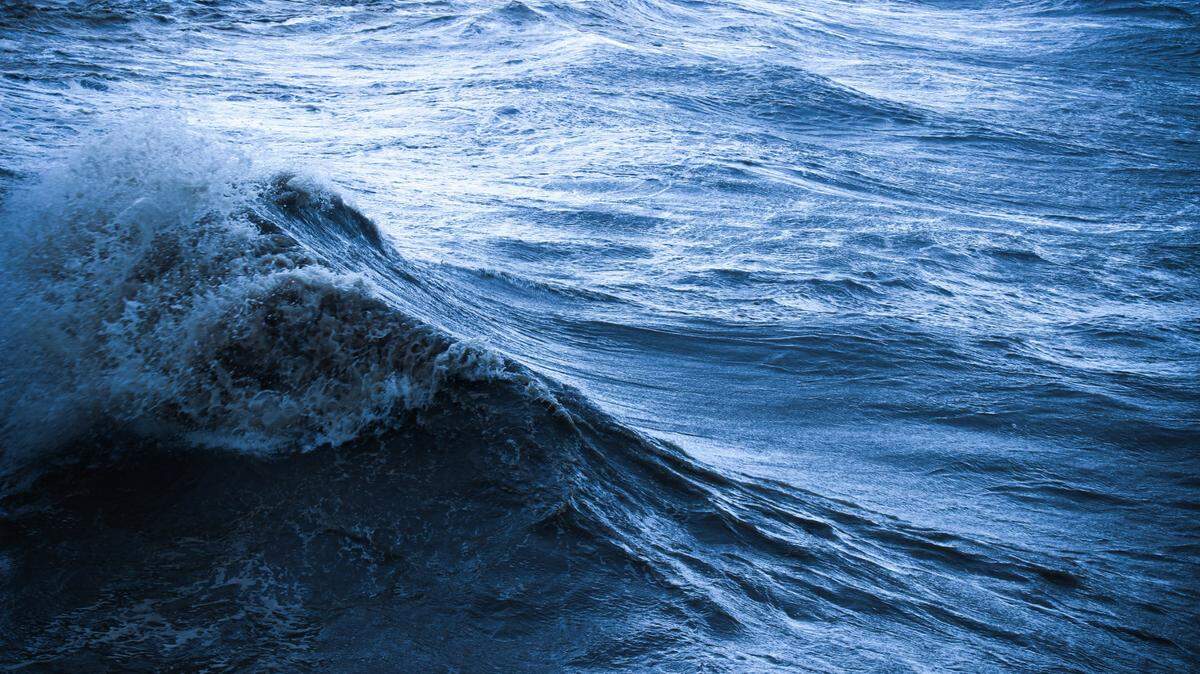
What happens when the ocean’s giants die?
Despite their blubbery bodies, whales eventually sink to the bottom in what are called “whale falls,” becoming an essential source of food, nutrients and habitat for the creatures of the deep.
Their bodies can take years to decades to break down, thereby serving as an entire ecosystem during that time, researchers said in a Dec. 3 study published in the peer-reviewed journal ZooKeys.
These whale fall environments remain mysterious and unstudied, researchers said, prompting a project to create artificial sites.
In 2016 and 2017, researchers dropped cow bones into the deep sea off the coast of Brazil at depths of about 1,800, 4,900 and 10,800 feet, according to the study.
The research team expected to find colonies of marine worms, crustaceans and mollusks. They didn’t expect to discover a new species.
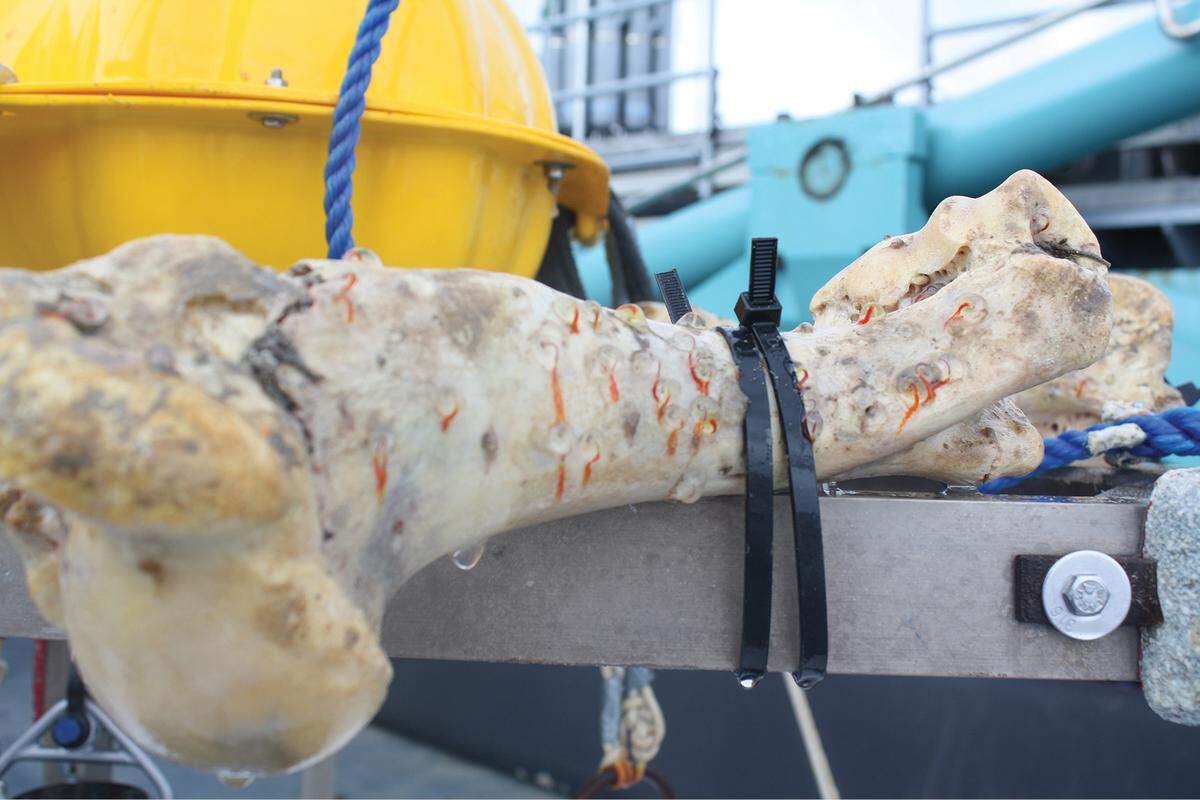
When the cow bones were brought back to the surface, they were filled with colonies of a “bright red-orange” Osedax species, also known as zombie worms, researchers said.
Osedax worms are called a “bone-eating” species, but they actually don’t eat the bone at all, according to the Smithsonian National Museum of Natural History. The small creatures secrete acid from their skin that dissolves the bone in order to free of what they really came for — the fat and protein.
The half-inch-long animals are made of a “gelatinous tube” with a “crown” of palps on one end and a structure of roots on the other, according to the study.
The roots are used to drill into the bone and hold on while they drain it of the soft material inside, according to the Smithsonian.
The new species has a “more inflated” collar at the base of their crown compared to other known species, researchers said, it and can be distinguished by its color and “long trunk.”
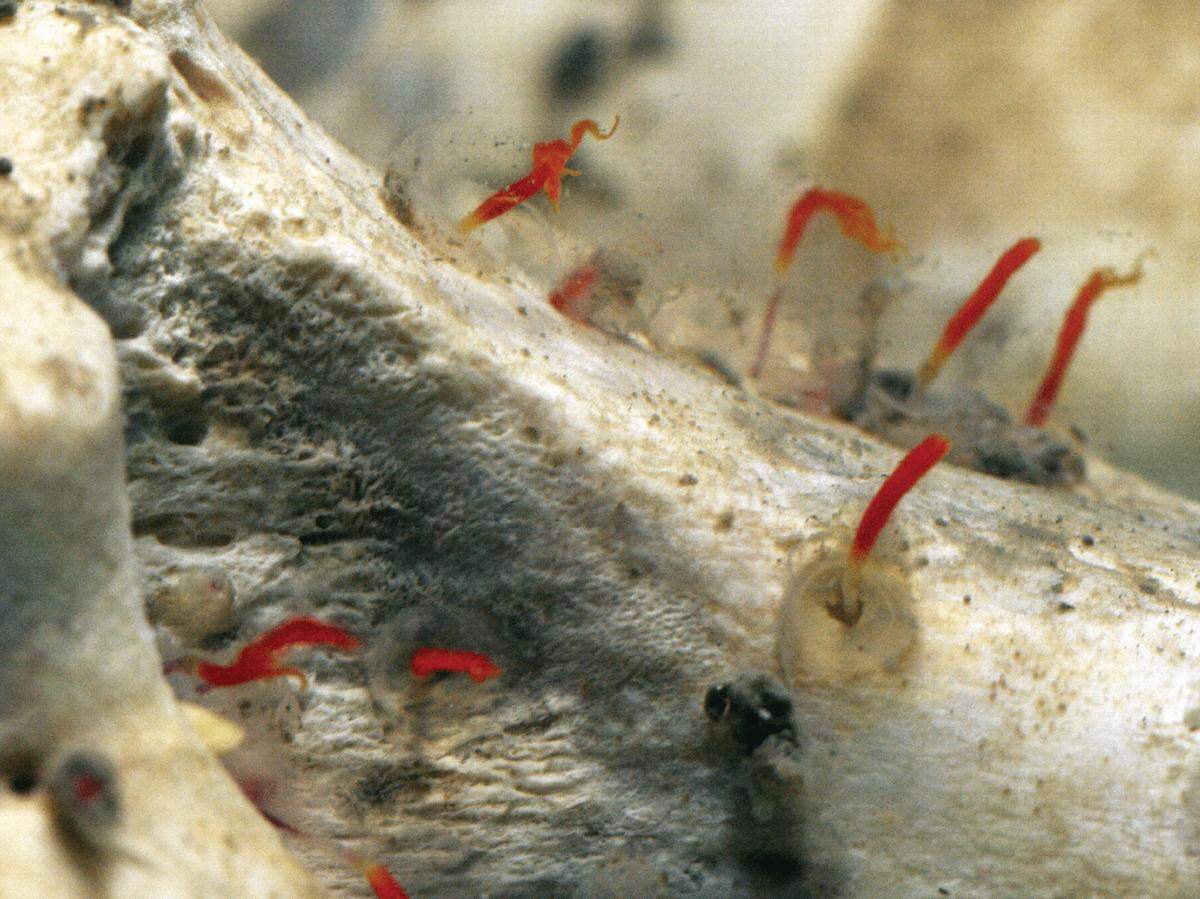
The zombie worm was named Osedax nataliae, after the study author’s mother, Natalia, for “her long and continued support in this research effort,” according to the study.
The new species discovery was an added bonus, but the study still told researchers a lot about Atlantic whale falls.
“The migratory routes of many species of whales through the Atlantic Ocean, including the sub-Atlantic populations of humpback whale which migrate from South Georgia Islands through Rio Grande Rise and northwards to Abrolhos Bank suggest that the deep-sea oceans in the southern hemisphere may provide a rich supply of whale carcasses to support Osedax species,” researchers said.
In total, 16 new species (including four Osedax) have been discovered on whale-fall-like projects in the southwest Atlantic Ocean, according to the study.
The cow bones were dropped off the coast of the São Paulo state of Brazil.
The research team includes Thammy Gularte, Paulo Y. G. Sumida, Gilberto Bergamo and Greg W. Rouse.
This story was originally published December 4, 2024 at 11:28 AM with the headline "Scientists sink cow bones into deep sea — then discover new species of ‘zombie worm’."
