Rainforest creature with ‘very unusual’ head found in Ecuador. It’s a new species
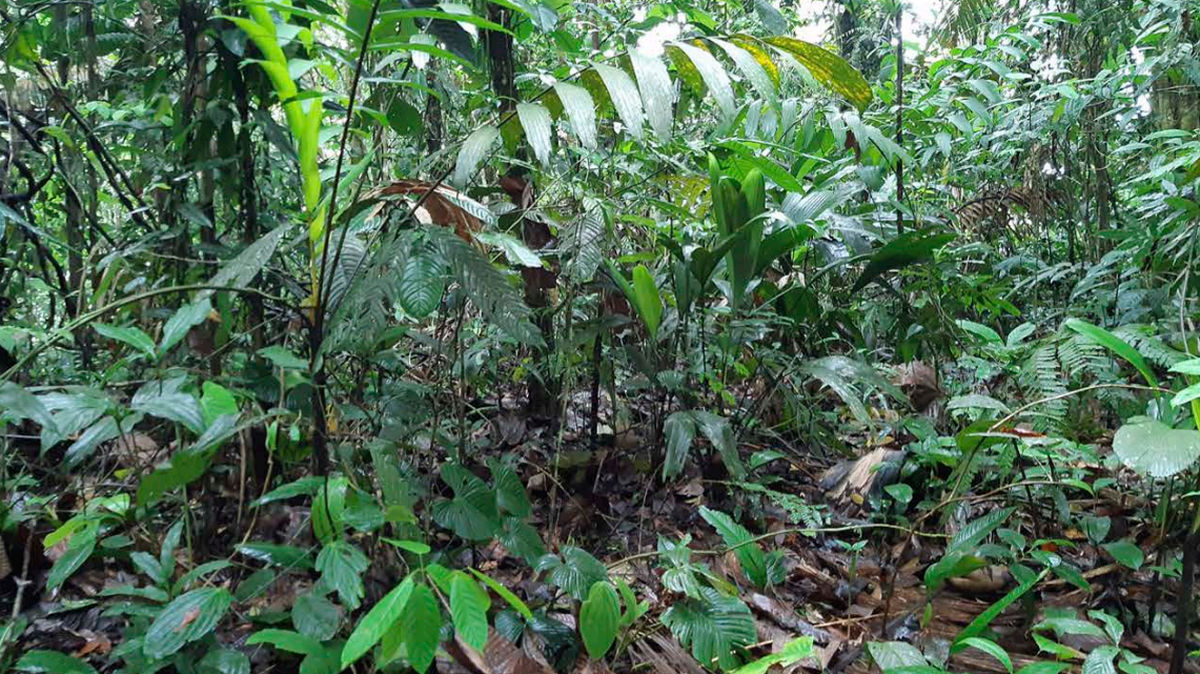
Cloaked by darkness and obscured by rain, a “robust” creature moved along the “muddy ground” of a rainforest in Ecuador. Its “very unusual” head poked out of the dirt — and caught the attention of passing scientists.
It turned out to be a new species.
Researchers hiked into the rainforest of Esmeraldas Province several times between 2009 and 2024 in search of some cryptic amphibians known as caecilians, according to a study published Nov. 15 in the peer-reviewed journal Salamandra.
Caecilians have “a snake-like appearance but without visible scales,” co-author Santiago Ron told McClatchy News via email. “They live underground, have reduced eyes and are rarely seen. (Their) diet consists of underground animals, including earthworms.”
Co-author Thalia Arroba-López had discovered a caecilian specimen with an oddly shaped head in a museum archive as part of her biology degree, Ron said. The years-old specimen prompted a search for similar-looking live caecilians.
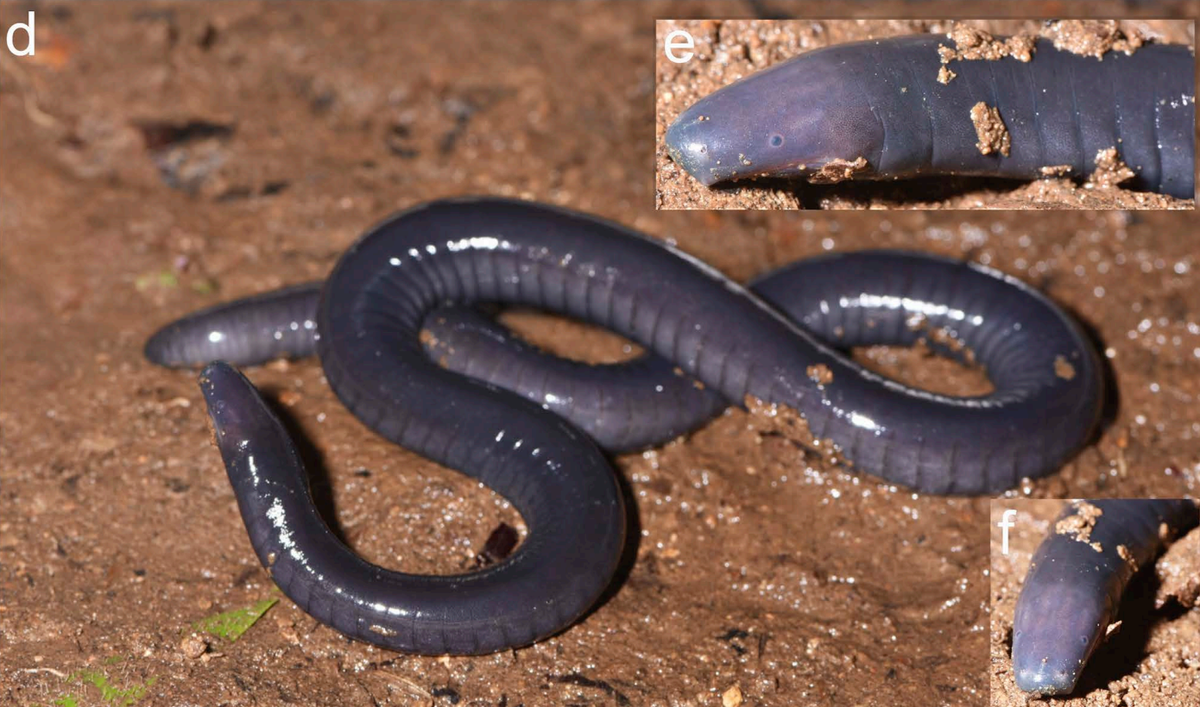
During the surveys, researchers tracked down a few of these amphibians and, after taking a closer look, realized they’d discovered a new species: Caecilia truncata, or the truncated caecilian.
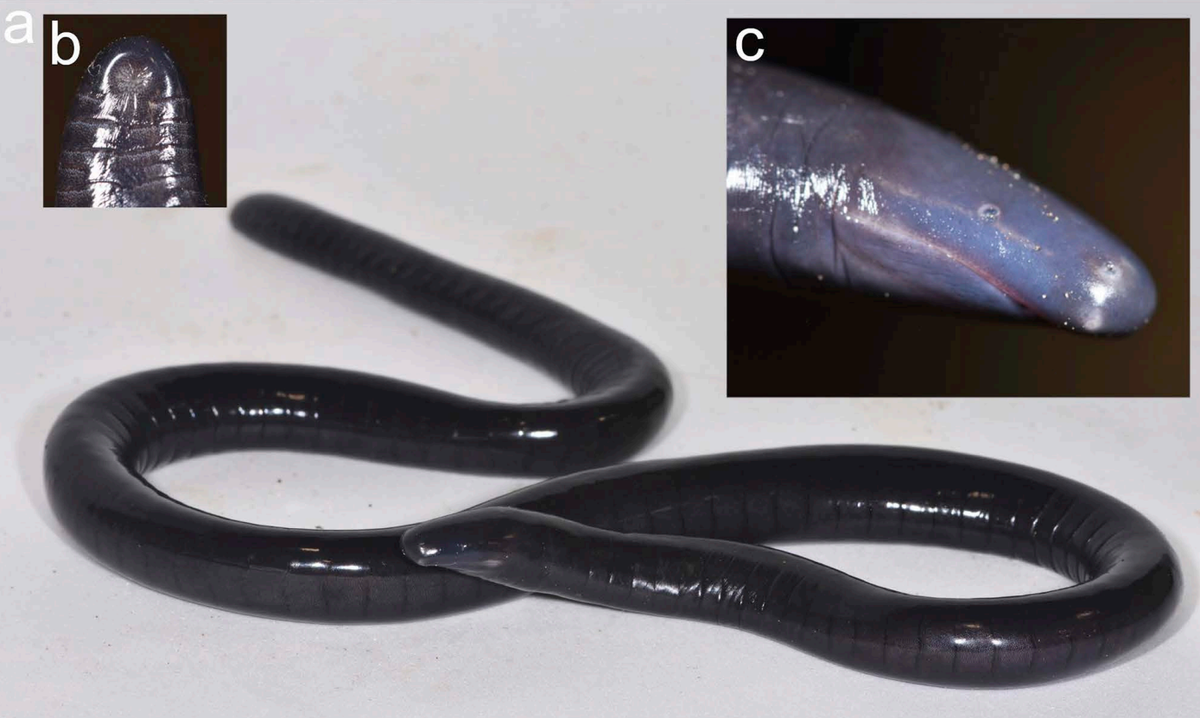
Truncated caecilians are considered “small,” reaching up to 19 inches in length, the study said. Their “robust” and worm-like bodies have no limbs. Their “very unusual” heads have some “large,” “backward curved” teeth and small eyes.
Photos show the dark gray coloring and patternless body of a truncated caecilian. Its sides and head appear a slightly lighter color but generally uniform.
Researchers said they named the new species after the Latin word “truncata,” or “truncated,” because of the “blunt shape of (its) snout.”
Truncated caecilians live underground in humid rainforests and were usually found at night, the study said. A few were seen “moving on the muddy ground” of a trail “during very heavy rain.”
So far, truncated caecilians have been found at five sites in Esmeraldas Province, the study said. Esmeraldas is a coastal region of northwestern Ecuador and along the border with Colombia.
The new species was identified by its DNA, head shape, size, coloring and other subtle physical features, the study said.
The research team included Sarah Bock, Thalia Arroba-López, Holger Velez-Giler, Vanessa Moreira, Moira Wiedebusch, Karla Neira-Salamea, Mark Wilkinson, Niklas Fuchs, Markus Schönleitner, Mark-Oliver Rödel and Santiago Ron.
The team also discovered a second new species of caecilian: Tesoro’s caecilian.
This story was originally published November 25, 2024 at 8:58 AM with the headline "Rainforest creature with ‘very unusual’ head found in Ecuador. It’s a new species."