Muddy creature — with ‘knob-like’ orange warts — discovered as new species in Thailand
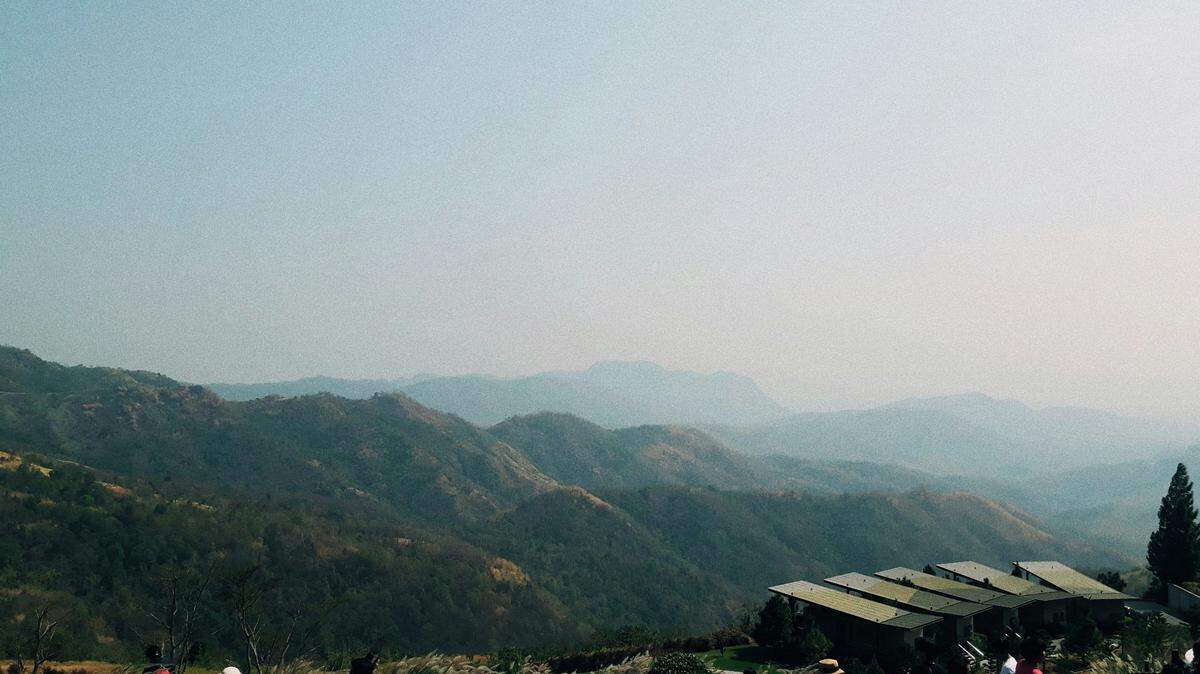
As rain falls in the mountains of the Mae Tuen Wildlife Sanctuary, puddles form along the dirt roads that cut through the peaks.
The puddles form little muddy oases for creatures that depend on standing water for their life cycle.
One of those animals is the Doi Soi Malai crocodile newt, a newly discovered species from the Doi Soi Malai National Park, inside a Thailand wildlife sanctuary.
During field surveys in the park in 2022, researchers came across a mud puddle on the road of the park’s highest peak in daytime, according to a study published Oct. 15 in the peer-reviewed journal ZooKeys.
Three newts were peeking out of the water, and researchers caught them in a net for a closer look, according to the study.
All three newts were adult, breeding males, researchers said, suggesting the puddle was a possible breeding site.
Then, “two larvae were discovered and photographed,” but “they managed to escape and hide in the puddle,” according to the study.
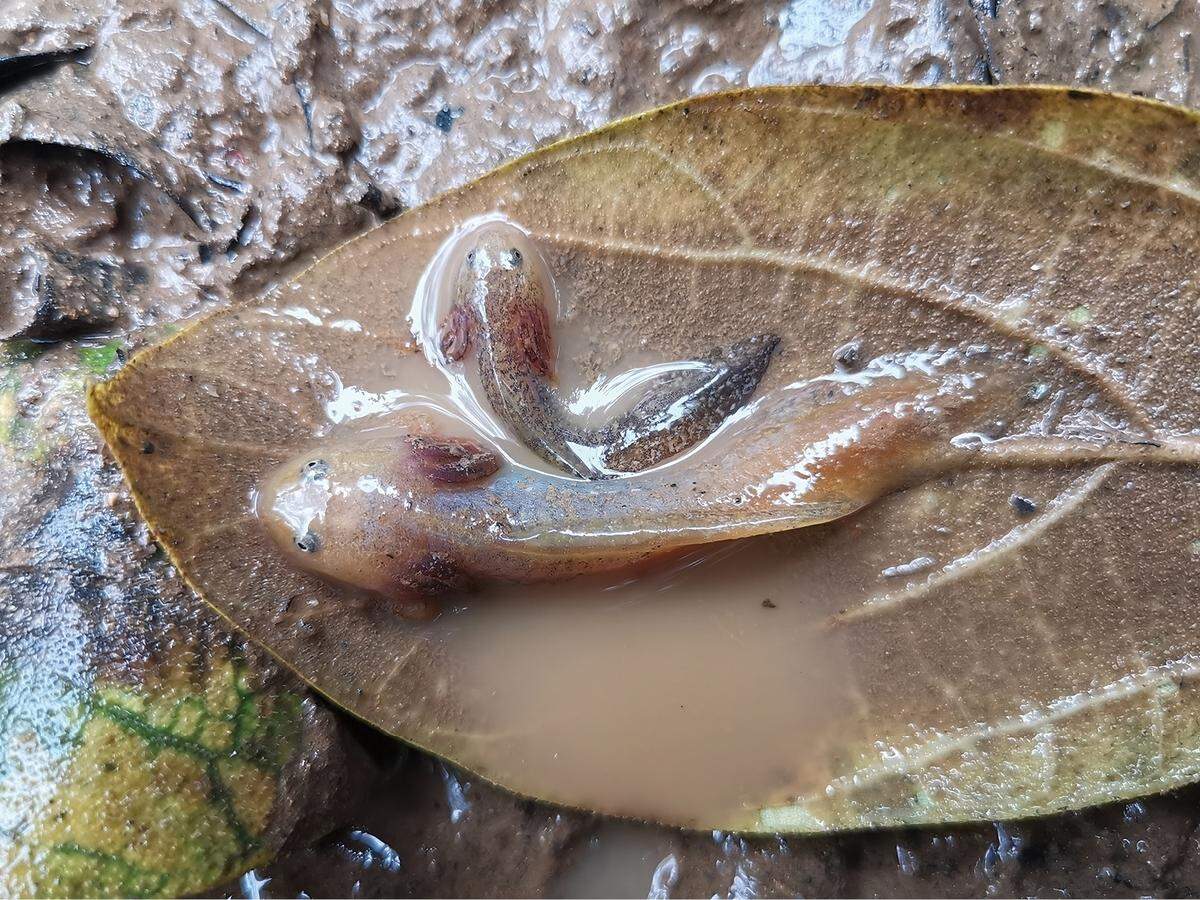
The larvae had pale brown, smooth skin and visible eyes, just in front of three gill pairs, according to the study.
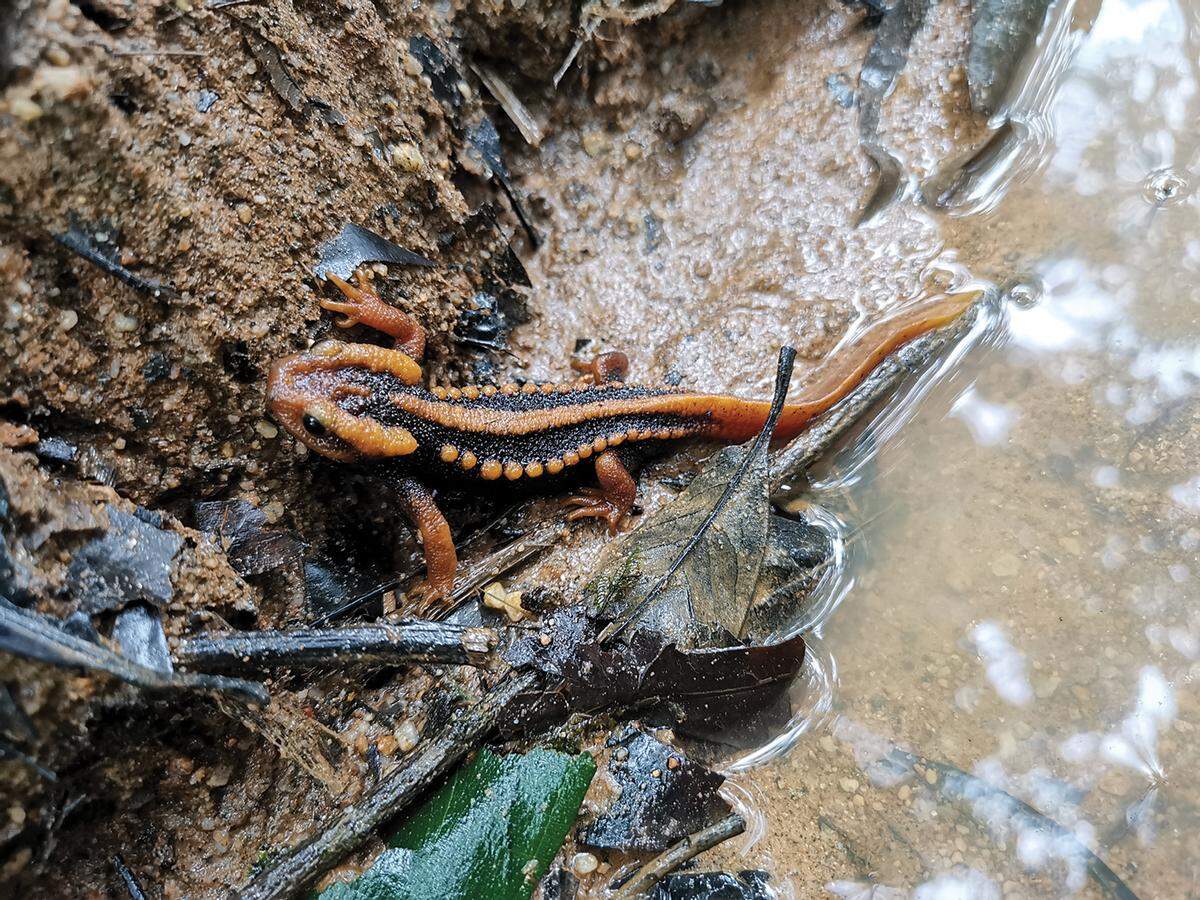
The adult newts grow to about 5.2 inches long with a dark gray body and bright orange accents, according to the study.
Their heads have “bony ridges,” and bumps and “knob-like warts” run down the length of their bodies, researchers said. The protrusions are reminiscent of the bumps of a crocodile, earning this genus of newts their name.
They have a “slim and long” body, but their tails make up half of their total length, according to the study.
These new newts have only been found in this area of the national park and wildlife sanctuary, but researchers did not include the exact discovery coordinates “due to the need to prevent illegal hunting, which has been increasing dramatically in Thailand,” according to the study.
The site “is a well-known destination for mountain biking and 4x4 road trips, particularly in the period following the late rainy season,” researchers said. While these activities are banned during certain times of the year, a paved road running through the area provides easy access for these vehicles and visitors violate the bans, according to the study.
“This could have adverse effects on the population of this new species, particularly during the larval stage, because the breeding site we found in this study is situated along the road leading to the summit of Doi Soi Malai,” researchers said.
They recommend that section of the park be closed during and immediately after the newt breeding season, or that motor vehicles be banned during this time and visitors may only walk to the summit.
The national park and wildlife sanctuary are in the Tak District of northwestern Thailand, along the border with Myanmar.
The research team includes Porrawee Pomchote, Parada Peerachidacho, Wichase Khonsue, Pitak Sapewisut, Axel Hernandez, Chitchol Phalaraksh, Parunchai Siriput and Kanto Nishikawa.
This story was originally published October 16, 2024 at 9:02 AM with the headline "Muddy creature — with ‘knob-like’ orange warts — discovered as new species in Thailand."