Soil-dwelling fish dug up in rainforest of Costa Rica. It’s an ‘unusual’ new species
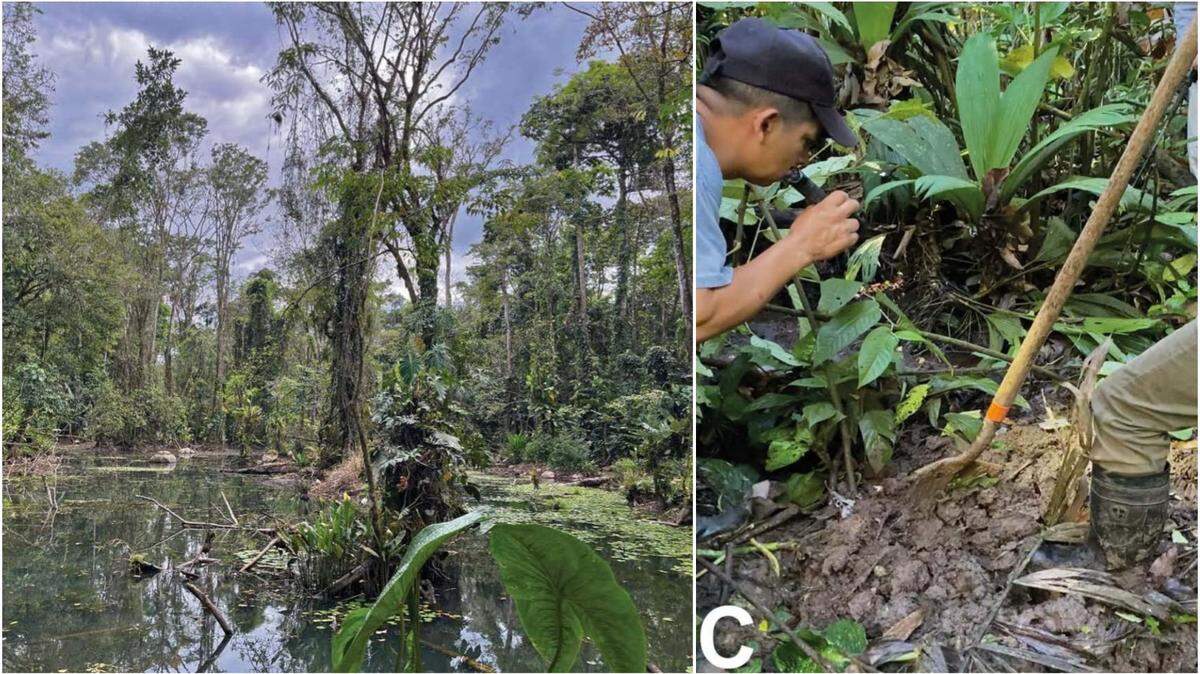
In the rainforest of Costa Rica, a soil-dwelling fish with skin-covered eyes maneuvered through the mud. Its small size and underground lifestyle likely helped it go unnoticed — until now.
When scientists finally found the “unusual” animal, it turned out to be a new species.
Researchers first encountered these fish by accident. Excavation work at Las Brisas Nature Reserve in 2021 happened to dig up two unfamiliar-looking swamp eels, according to a study published Oct. 2 in the peer-reviewed journal Ichthyology and Herpetology.
Swamp eels are a group of burrowing, marsh-dwelling fish named for their “resemblance to true eels,” researchers said.
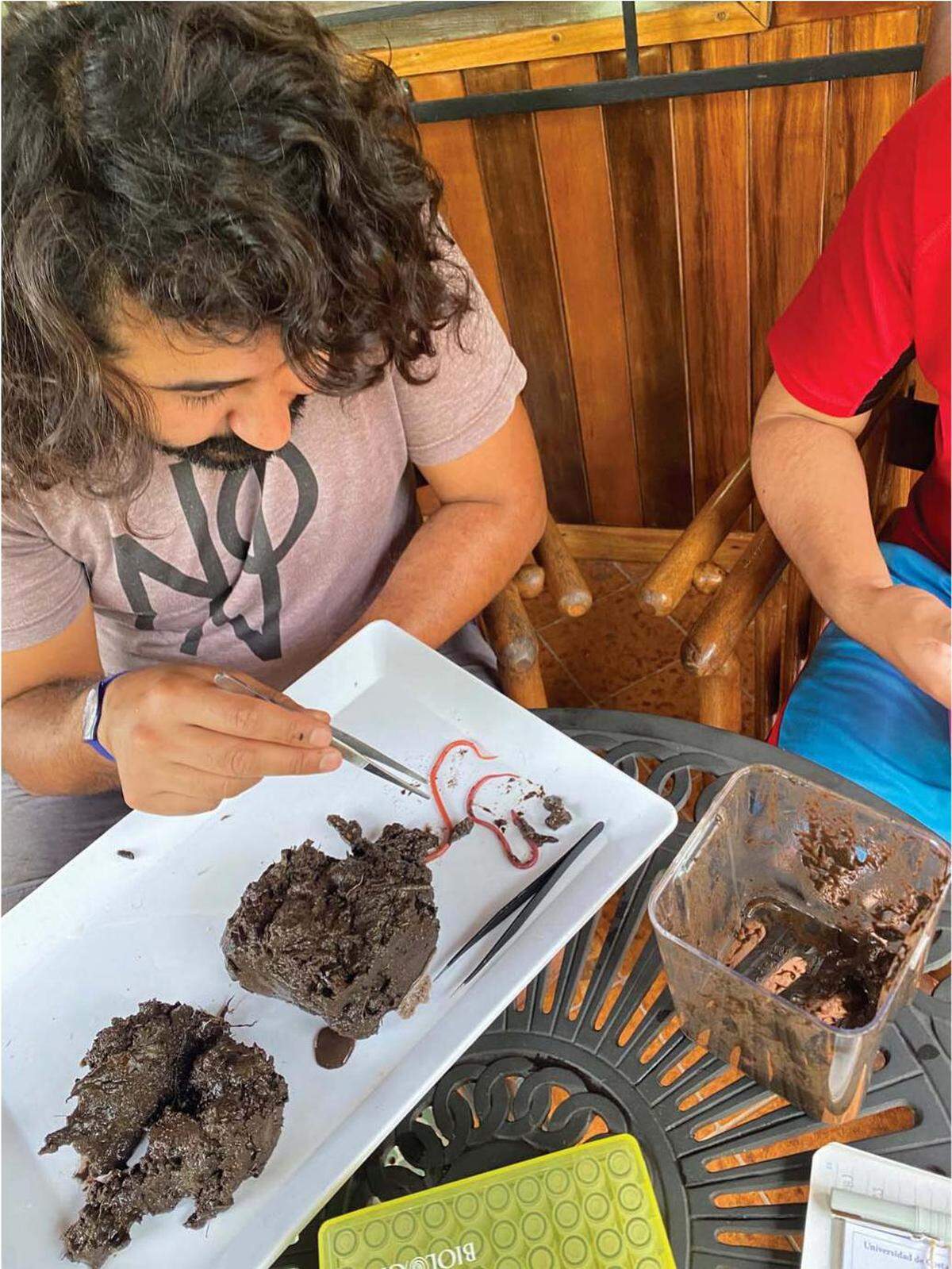
Intrigued by the fish, researchers returned to the nature reserve in 2022 and 2023 to search for more. This process involved digging up “blocks of mud” then sifting through the dirt. A photo shows part of this process.
Eventually, researchers found five more of these “unusual” fish. Taking a closer look at the animals, researchers quickly realized they’d discovered a new species: Ophisternon berlini, or Berlin’s bloodworm eel.
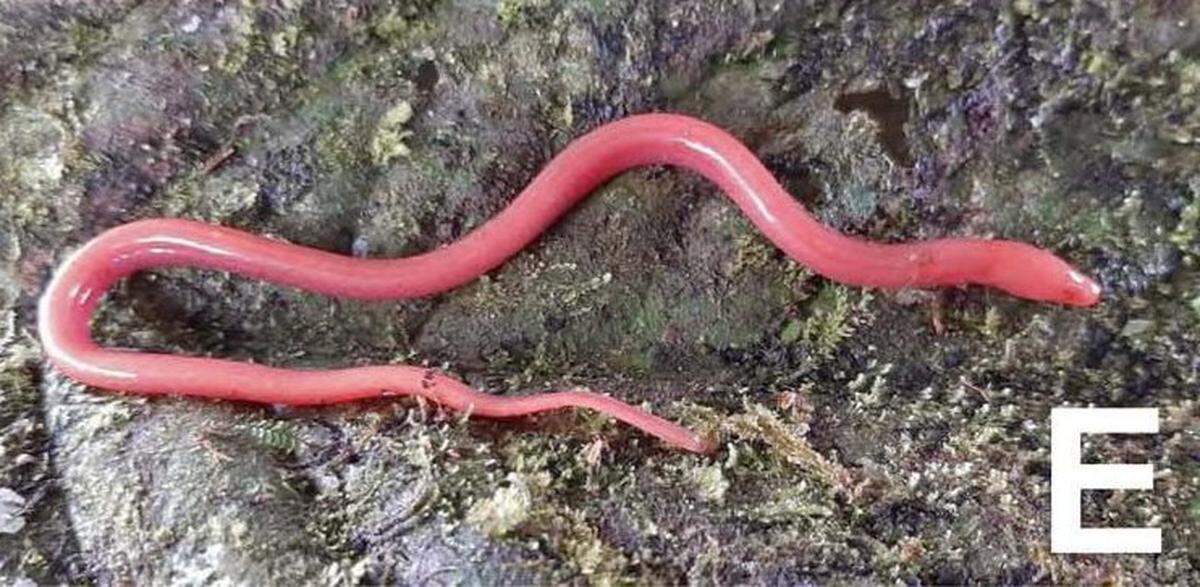
Berlin’s bloodworm eels are considered “a true dwarf species,” reaching just under 7 inches in length, the study said. They have “extremely slender,” “worm-like” bodies with gills but no fins. Their “pointed” heads have “large” teeth and “very small” eyes “covered with thick skin.”
A photo shows the “remarkable pink-red” hue of the new species. Like other underground-dwelling animals, these fish have very little pigment in their skin. Instead, their coloring comes from their externally visible muscles.
Berlin’s bloodworm eels were found living about two feet underground in swampy, muddy areas of the rainforest, the study said. They are “the latest addition to the very exclusive list of soil-dwelling fishes.”
Researchers said they named the new species after Erick Berlin, “a strong supporter of conservation and scientific research of Costa Rican biodiversity,” who first encountered the new species and owns the reserve where it lives.
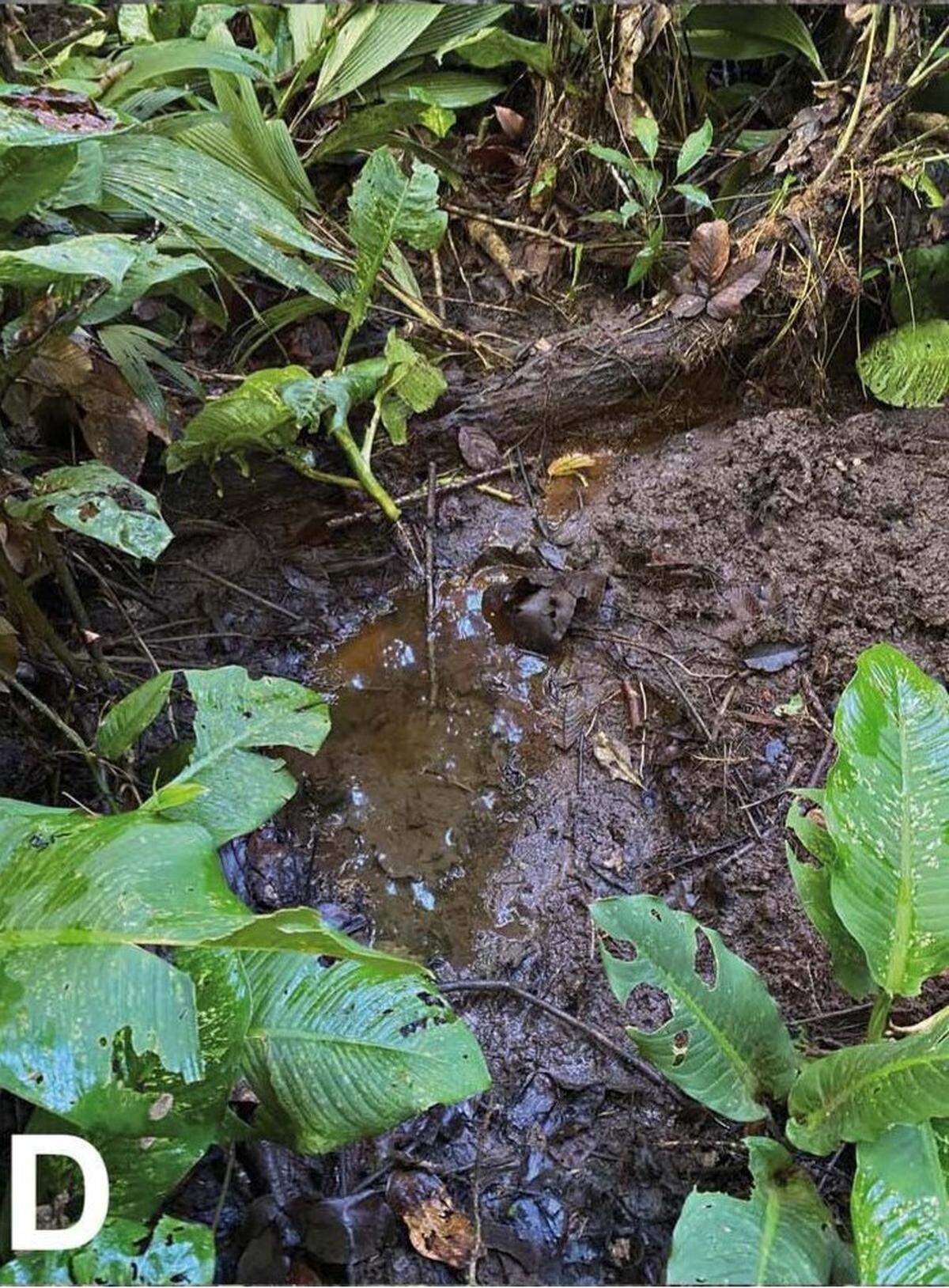
So far, Berlin’s bloodworm eels have only been found at three sites in Las Brisas Nature Reserve, the study said. This reserve is in central Costa Rica and a roughly 70-mile drive east of the capital, San Jose.
The new species was identified by its skeleton, gills, teeth, coloring, eyes, size, lifestyle and DNA, the study said.
The research team included Jairo Arroyave, Arturo Angulo, Adán Fernando Mar-Silva and Melanie Stiassny.
This story was originally published October 8, 2024 at 12:30 PM with the headline "Soil-dwelling fish dug up in rainforest of Costa Rica. It’s an ‘unusual’ new species."