Nocturnal creature with ‘triangular’ head found lurking in cave. It’s a new species
As the sun rose across Thailand, a scaly creature with a “triangular” head climbed the wall of a cave and settled in to wait until dark. But its day proved eventful.
Passing scientists captured the nocturnal animal — and discovered a new species.
Researchers visited a rocky region of Khlong Hat District in 2022 and 2023 to survey wildlife, according to a study published Sept. 3 in the peer-reviewed journal ZooKeys. The district sat within a known biodiversity hotspot.
During the surveys, researchers found several brown lizards on rocks, plants and in a cave, the study said. They took a closer look at the animals and soon realized they’d discovered a new species: Cyrtodactylus khlonghatensis, or the Khlong Hat bent-toed gecko.
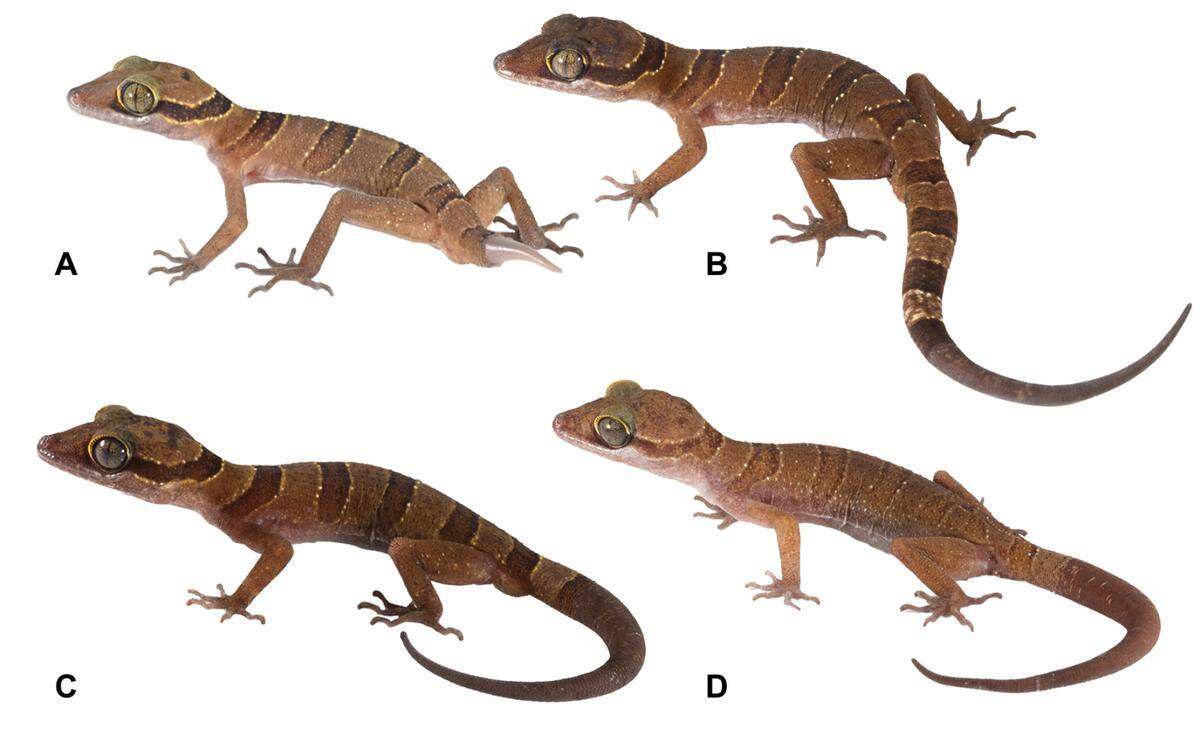
Khlong Hat bent-toed geckos can reach just over 7 inches in length, the study said. They have “triangular” heads with “large,” slightly protruding brown eyes. Their “slender” bodies are covered in bumps, and they have “short” claws.
Photos show the color variation of the new species. Generally, the geckos have a light brown body with several darker brown, white-edged bands running across their backs. A “U”-shaped band loops around their head and connects their eyes, almost like a glasses chain.
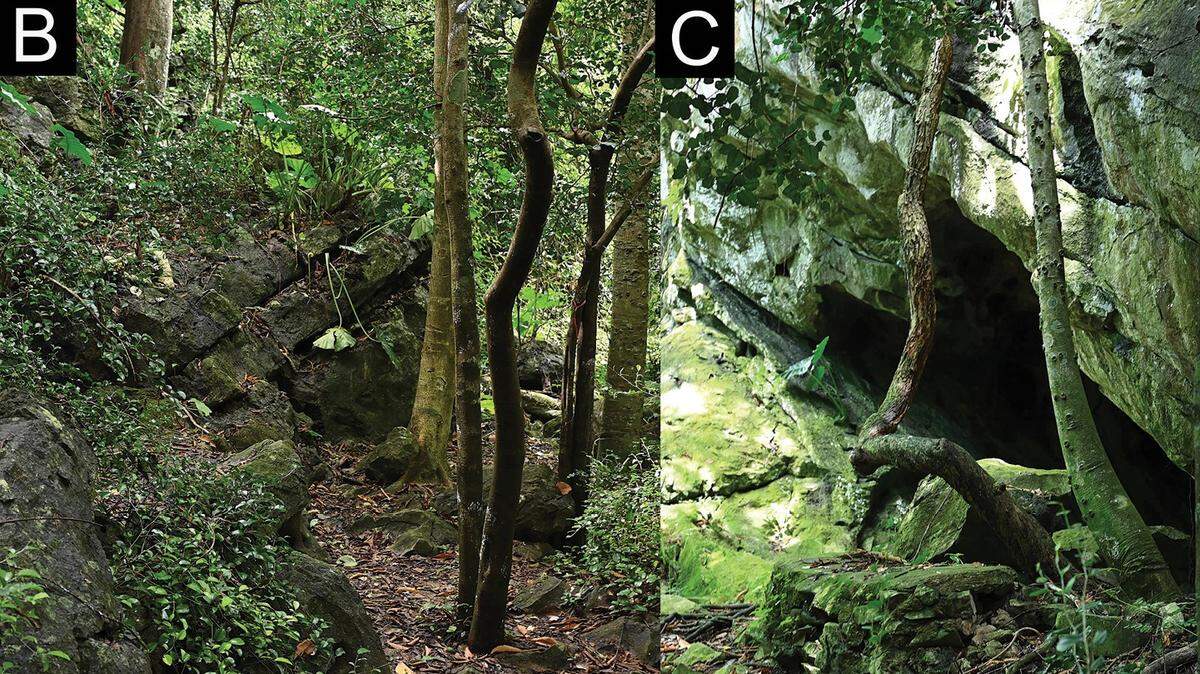
Khlong Hat bent-toed geckos are nocturnal rock-dwellers found around karst rock formations, the study said. At night, the geckos “were active both on the karstic terrain and in vegetation.” During the day, the geckos were “inactive in shaded areas.”
Researchers found Khlong Hat bent-toed geckos on walls and crevices inside a cave and “perched on a dry vine” and “dry log along a trail.” One juvenile gecko was found clinging “upside down on a shrub.”
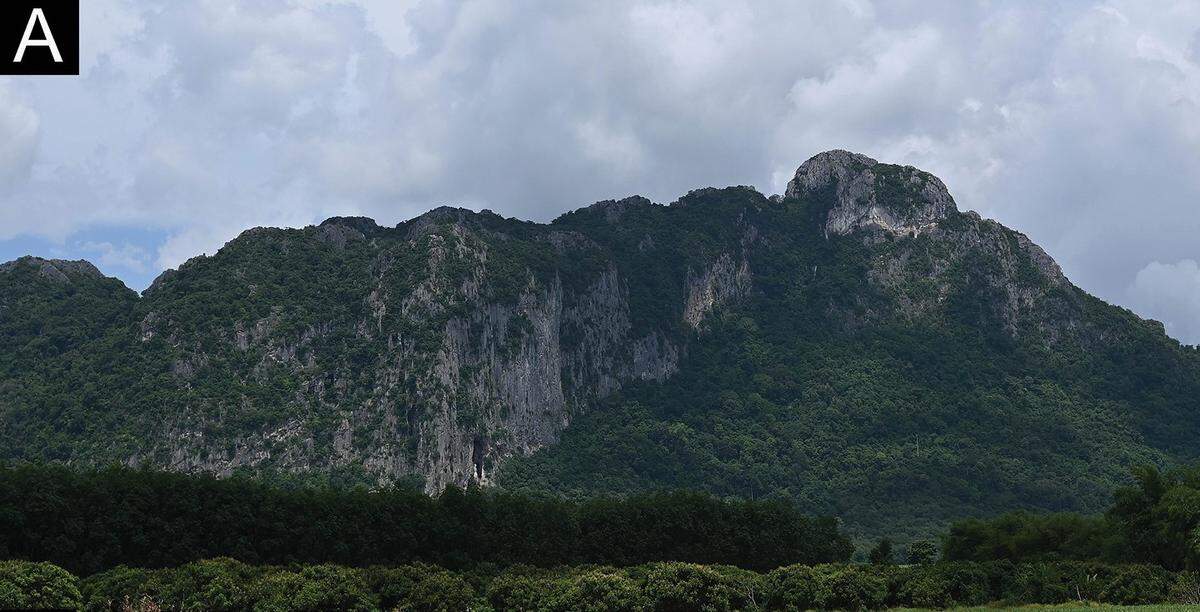
Researchers said they named the new species after the Khlong Hat District where it was first discovered and, so far, the only area where it has been found. This region is in eastern Thailand, a roughly 150-mile drive east from Bangkok and along the border with Cambodia.
The new species was identified by its body size, scale pattern, fingers and toes, bumps, coloring and other subtle physical features, the study said. A DNA analysis found the new species had at least about 5% genetic divergence from other related gecko species.
The research team included Natee Ampai, Attapol Rujirawan, Siriporn Yodthong, Korkhwan Termprayoon, Bryan Stuart and Anchalee Aowphol.
This story was originally published September 4, 2024 at 11:08 AM with the headline "Nocturnal creature with ‘triangular’ head found lurking in cave. It’s a new species."