‘Glass’ creatures — with see-through belly — discovered in the Andes. See new species
.jpg "In the plants and bushes around mountain streams in Ecuador, two new species call into the night.")
In the forested mountains of Ecuador, loud chirps ring out as the sun sets and darkness takes over.
Though the sound is loud enough to be heard over the running water of mountain streams, it is emitted from a small creature.
Stuck to the leaves of the stream-side plants are frogs that blend in with the green foliage.
Now, these frogs have been identified as two new species, and the findings were published Aug. 20 in the journal PeerJ.
Centrolene elisae and Centrolene marcoreyesi are species of glass frogs, a group that gets their name from the often translucent skin on their bellies and back ends.
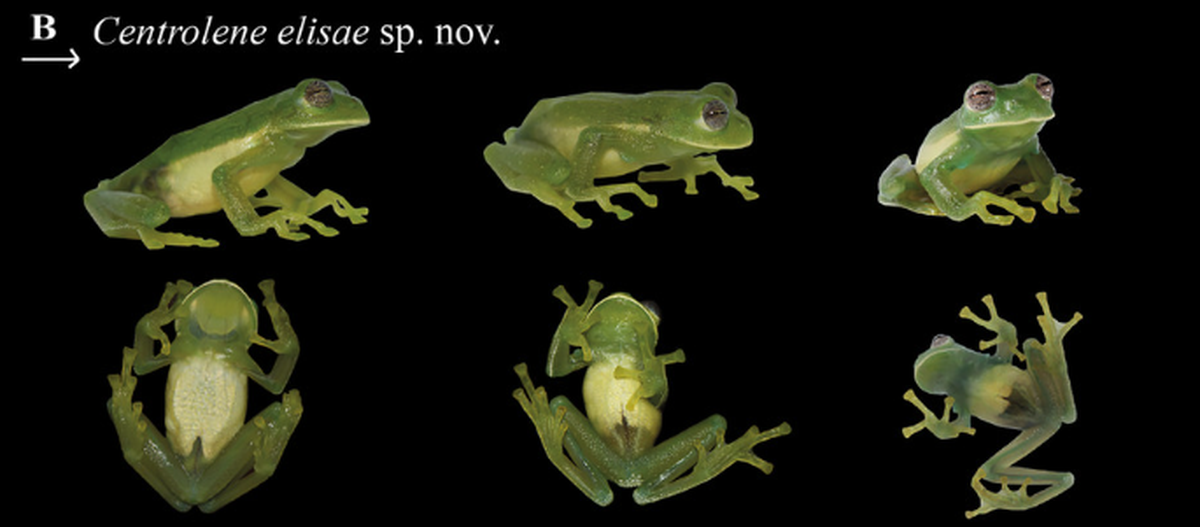
Centrolene elisae, named after researcher Elisa Bonaccorso, is dark green with small white spots on its back, according to the study.
Just under one inch long, the females of the species are larger than the males, and there is some variation in the darkness of the green color, researchers said.
The species also has another feature seen in glass frogs — green bones.
In addition, researchers found clutches of eggs belonging to C. elisae, according to the study. They were hanging from leaves and were yellow in color.
The species calls out into the night with “two pulsed notes,” researchers said, and the “first note is much longer than the second.” This call sets it apart from other known glass frogs with a single-note call, according to the study.
The C. elisae lives in the cloud forests of the Ecuadorian Andes, and has been found in four locations along the mountain slopes, researchers said.
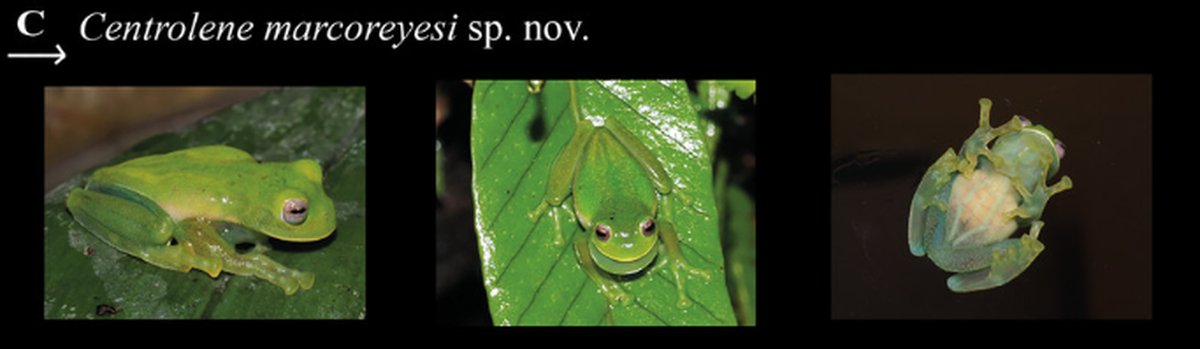
Centrolene marcoreyesi is a lighter green color on the back, arms and limbs with “whitish spots of various sizes,” researchers said.
Their upper lip is yellowish-white and the species has eyes with a “slight lavender tone,” according to the study.
C. marcoreyesi also sports the iconic green bones and translucent stomach, researchers said, but is set apart from other known species by the lip coloration and the sloping shape of the snout.
The new species has a single-note call, but there were some differences in the call between different locations, according to the study.
The species was named in tribute to Marco M. Reyes-Puig, a “notable” herpetologist and original collector of the species during a field campaign, researchers said.
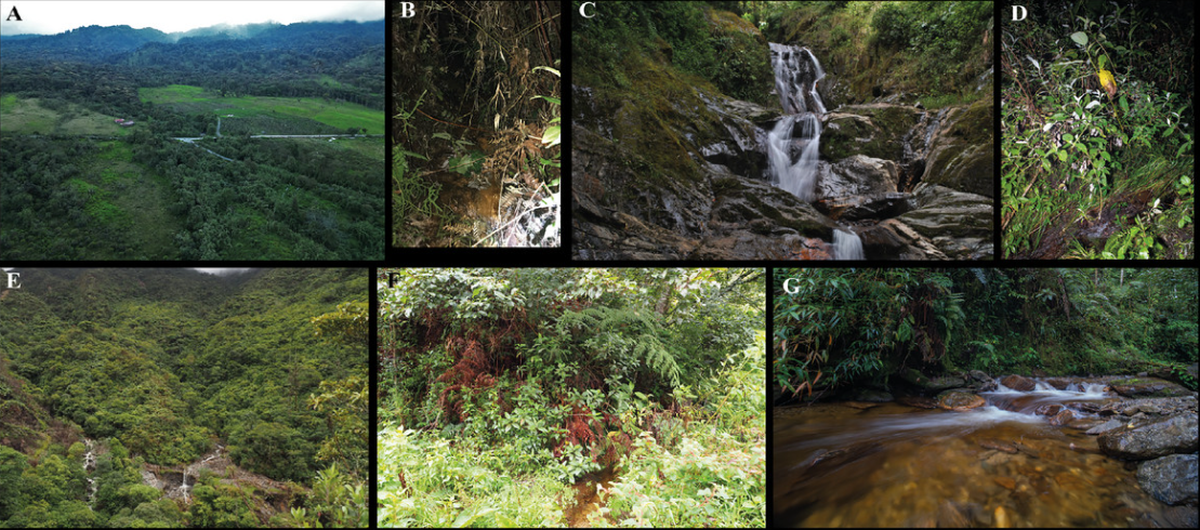
While multiple specimens of each new species were identified along the forested areas, the researchers believe there are still very few of them in total, and recommend that both species be listed as endangered.
“Even if some of the localities … are inside protected areas, and as such benefit from conservation measures, (these) species (are) threatened by degradation of its habitats, especially due to cattle farming, introduction of invasive species and illegal and legal mining,” researchers said.
The frogs were found on the eastern slopes of the Andes mountains in Ecuador, a range that cuts through the middle of the country.
The research team included Daniela Franco-Mena, Ignacio De la Riva, Mateo A. Vega-Yánez, Paul Székely, Luis Amador, Diego Batallas, Juan P. Reyes-Puig, Diego F. Cisneros-Heredia, Khristian Venegas-Valencia, Sandra P. Galeano, Jaime Culebras and Juan M. Guayasamin.
This story was originally published August 21, 2024 at 2:13 PM with the headline "‘Glass’ creatures — with see-through belly — discovered in the Andes. See new species."