Yellow-bellied mountain predator seen regurgitating meal turns out to be new species

In the mountains of central Ecuador, a 1-foot-long predator maneuvered through the leaves in search of its next meal. But visiting scientists had other plans for the yellow-bellied animal.
They captured it — and discovered a new species.
Researchers ventured into the Andes mountains several times between 2009 and 2022 in search of wildlife, according to a study published June 26 in the peer-reviewed Journal of Herpetology.
During the hikes, researchers encountered nine yellow-bellied snakes, the study said. At first, they identified the reptiles as a known and widespread species but, upon closer examination, noticed these snakes had subtle but significant differences.
Researchers soon realized they’d discovered a new species: Erythrolamprus darwinnunezi, or Núñez’s snake.
Núñez’s snakes can reach just over 1.5 feet in length, the study said. They have “cylindrical” bodies, striped sides and “yellowish” stomachs “with scattered dark, hill-shaped marks.”
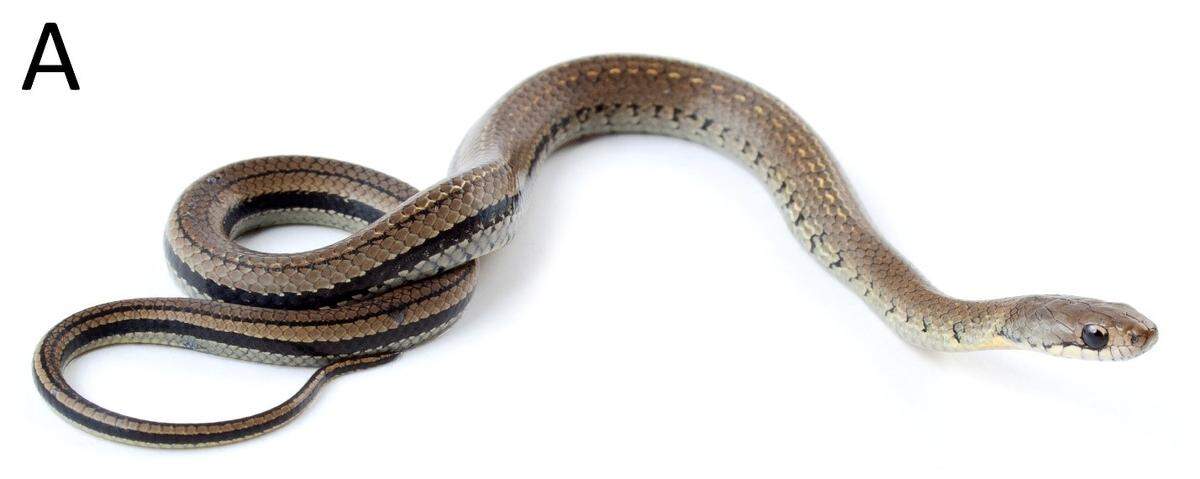
Photos show the color variation of Núñez’s snakes. One has a light brown coloring with a thin yellow stripe down the center of its back and black stripes along its sides.
Other snakes are more brightly colored, photos show. One is olive green while another appears dull yellow.
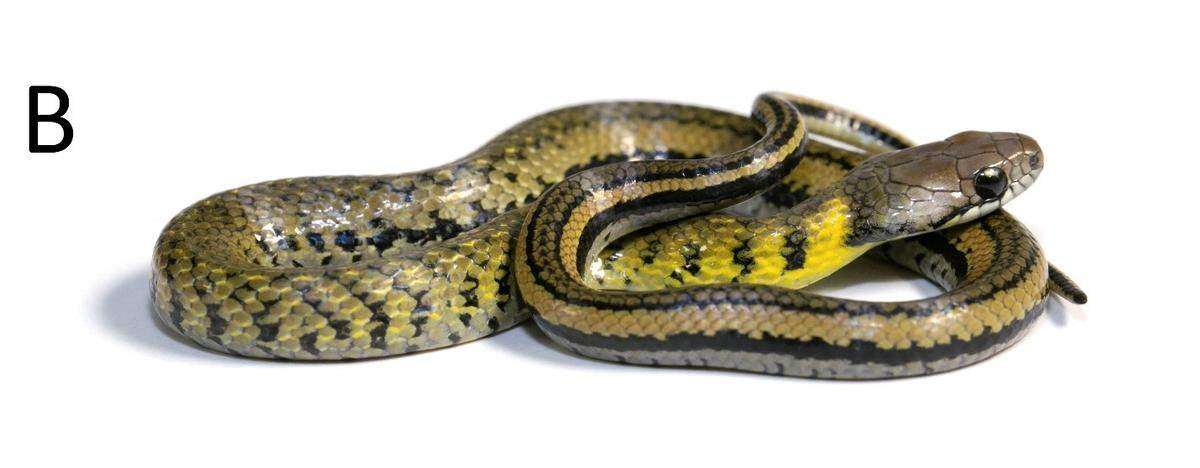
Núñez’s snakes live in mountain forests between elevations of 6,500 and 8,400 feet, the study said. Most were found active in the afternoon under leaves or “a plastic sheet.”
One snake showed “defensive horizontal neck flattening behavior” after being captured, the study said. Another “regurgitated the remains of an unidentified frog specimen.”
Researchers said they named the new species after Darwin Núñez, an Ecuadorian herpetologist, because of “his extensive field collections that have contributed to science and conservation of the herpetofauna of Ecuador.” Núñez also found several specimens of the new species.
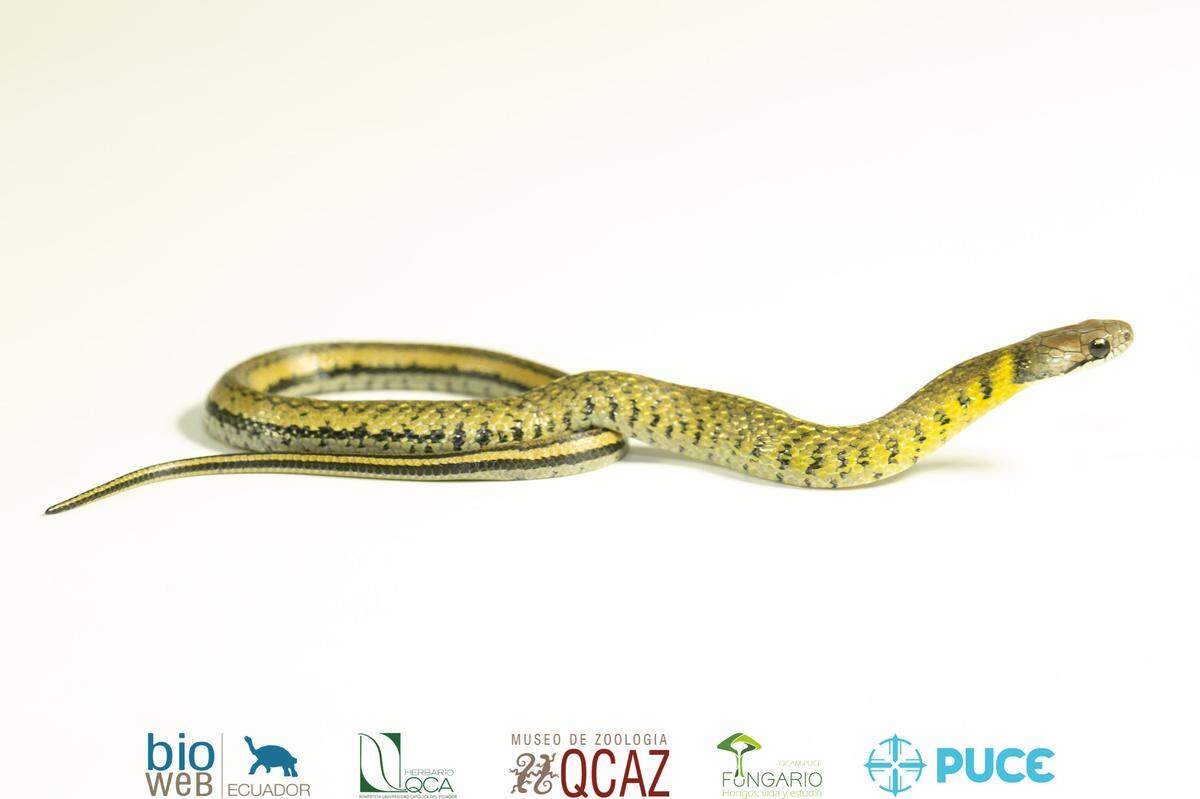
So far, Núñez’s snakes have been found in two provinces of central Ecuador, the study said. This region, situated in the Andes mountains, is roughly 80 miles southeast of Quito, the capital city.
The new species was identified by its scale pattern, coloring, genitalia, DNA and other subtle physical features, the study said.
The research team included Omar Torres-Carvajal, Katherin Hinojosa and Diego Paucar.
This story was originally published July 12, 2024 at 8:11 AM with the headline "Yellow-bellied mountain predator seen regurgitating meal turns out to be new species."