Pink deep-sea creature — with 10 tentacles — found off Canada. It’s a new species
From aboard a research vessel in the Atlantic Ocean, scientists dropped a metal net into the depths. The net sank thousands of feet and hauled up a “large volume of mud.” Sifting through, scientists found a pink sea creature with 10 tentacles.
It turned out to be a new species.
A team of scientists set off on a “research icebreaker” vessel in 2020 to survey marine life off the coast of eastern Canada, according to a study published July 8 in the peer-reviewed journal ZooKeys. The expedition used metal dredge nets to scrape the seafloor then analyzed the catch.
Sifting through some of the muck, researchers found two unfamiliar-looking sea cucumbers, the study said. They took a closer look at the pink deep-sea animals and realized they’d discovered a new species: Pseudothyone labradorensis, or the Labrador sea cucumber.
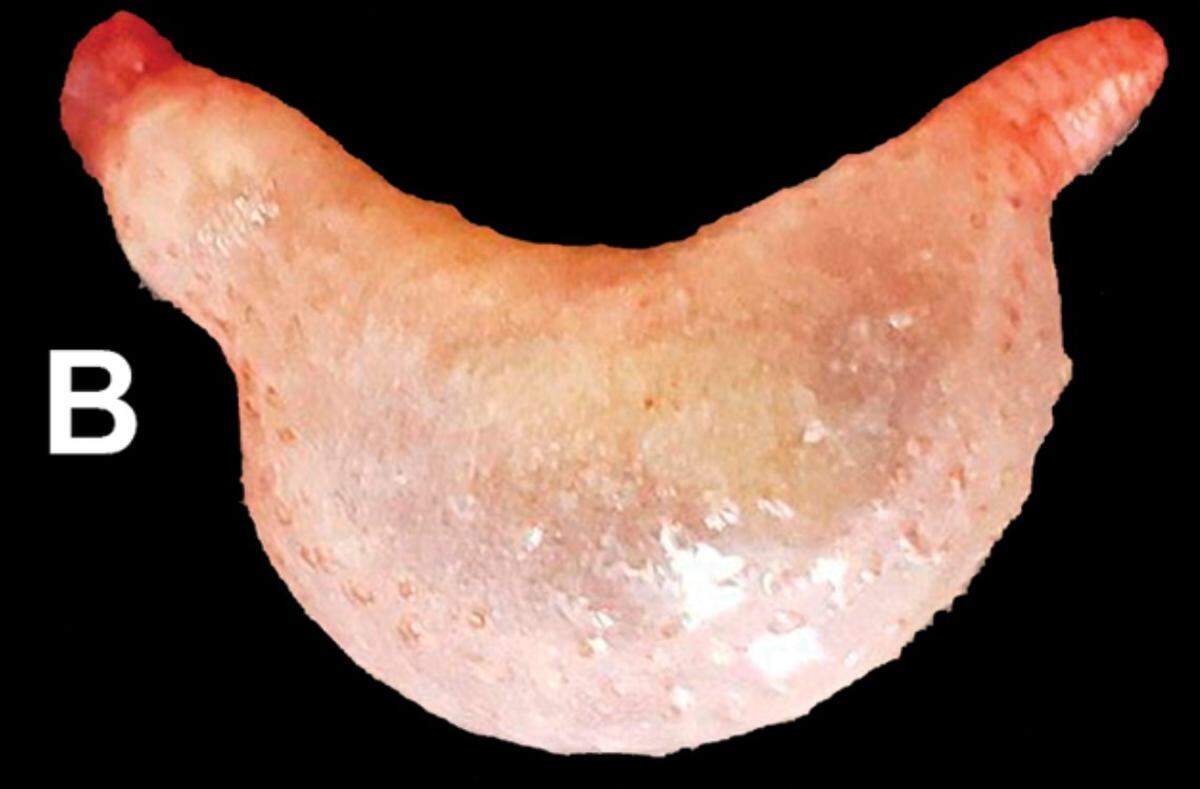
Labrador sea cucumbers can reach about 0.5 inches in length, the study said. They have a “curved” body with 10 tentacles and rows of feet-like appendages.
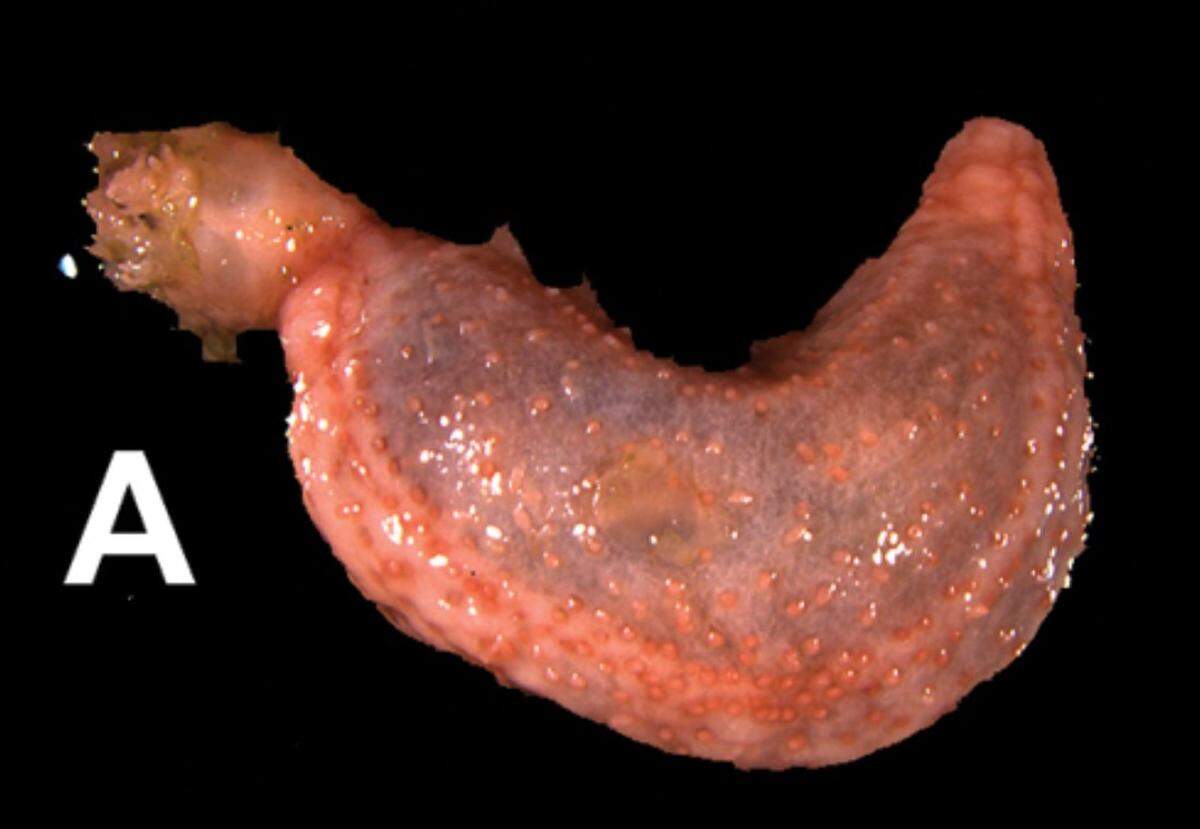
A photo shows the roughly boomerang-shaped body of a Labrador sea cucumber. Its “distinctive” pinkish-red coloring almost makes it look like an internal organ.
After being preserved, the sea cucumber loses its coloring and appears creamy white, another photo shows. In this state, its anatomy is easier to identify.
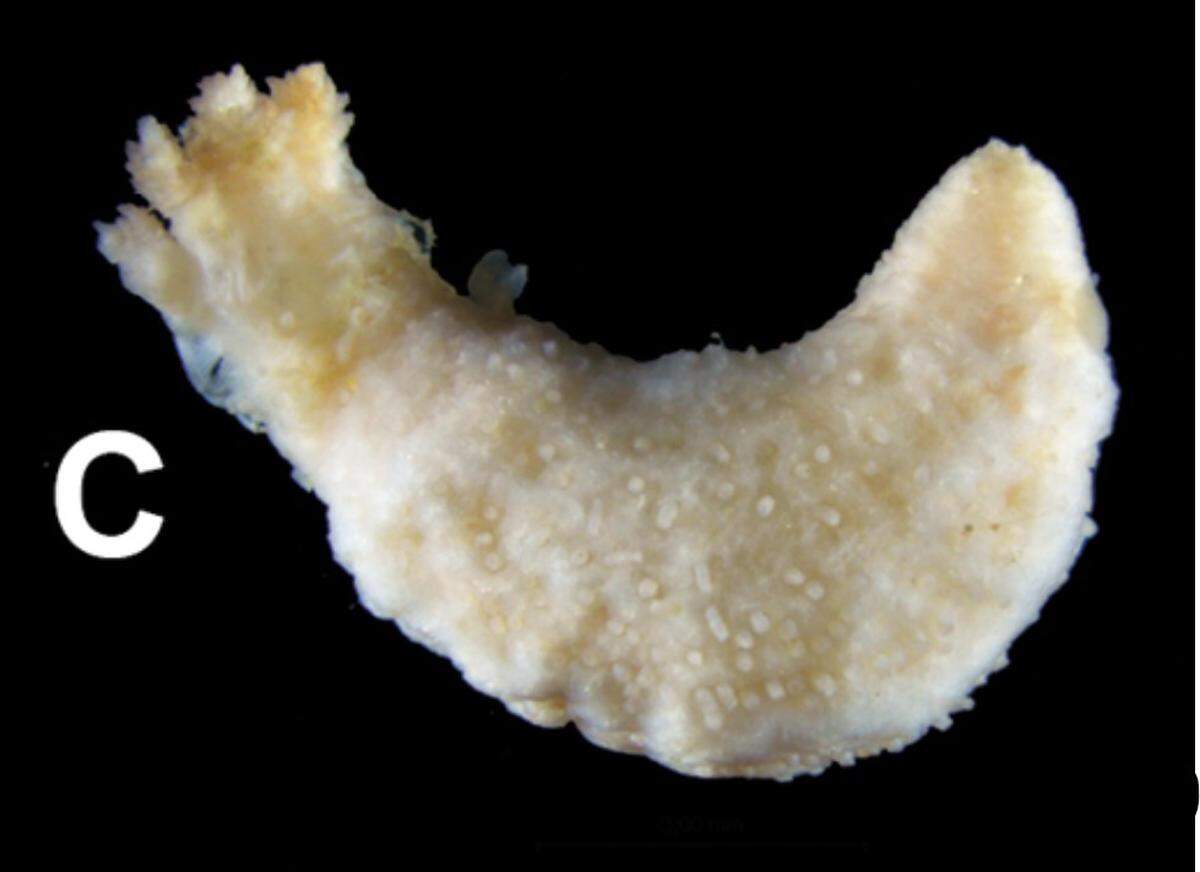
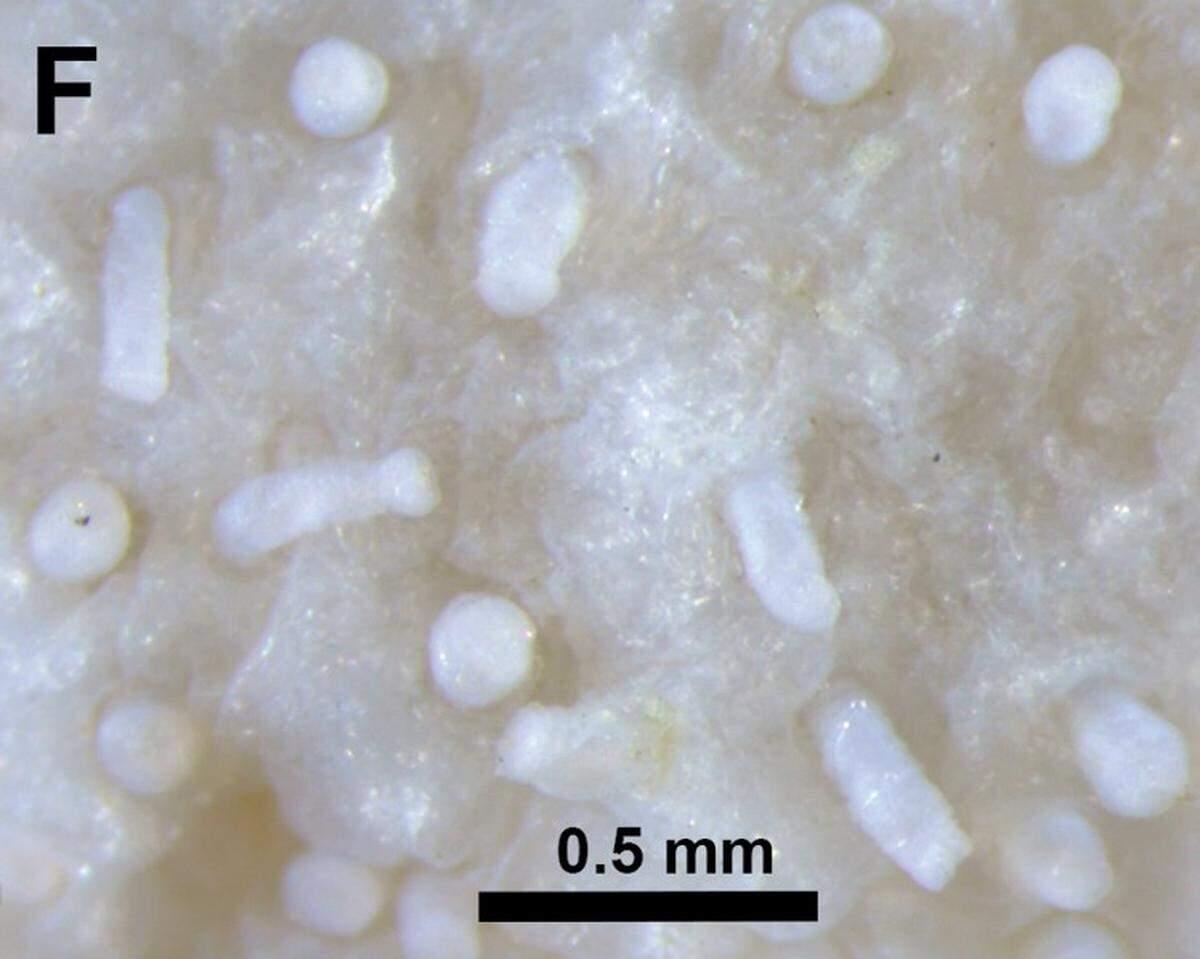
On one end, the sea cucumber’s tentacles appear to be bunched together, almost like a broom. Scattered across the rest of its body are countless “small” appendages, known as “tube feet,” researchers said. A close-up photo shows these nub-like feet.
Labrador sea cucumbers were found in gravelly mud sediment between depths of about 2,400 to 3,200 feet, the study said. At this depth, the water temperature was about 38 degrees Fahrenheit.
Researchers said they named the new species after the Labrador Sea where it was discovered and, so far, the only place where it has been found. Situated between the southern coast of Greenland and eastern coast of Canada, the Labrador Sea is part of the North Atlantic Ocean.
The new species was found about 100 miles off the coast of the Canadian province of Newfoundland and Labrador.
Because “scientific collections of fauna in the Labrador Sea are extremely limited,” researchers believe the new species may have a wider distribution.
The new species was identified by its coloring, appendages, body structure and DNA, the study said.
The research team included Antonina Kremenetskaia, Tom Alvestad, Heather Penney, Jean-François Hamel, Bárbara de Moura Neves, David Côté and Annie Mercier.
This story was originally published July 9, 2024 at 1:31 PM with the headline "Pink deep-sea creature — with 10 tentacles — found off Canada. It’s a new species."