Fuzzy creature — with mouth as long as its body — found in French Alps. See new species
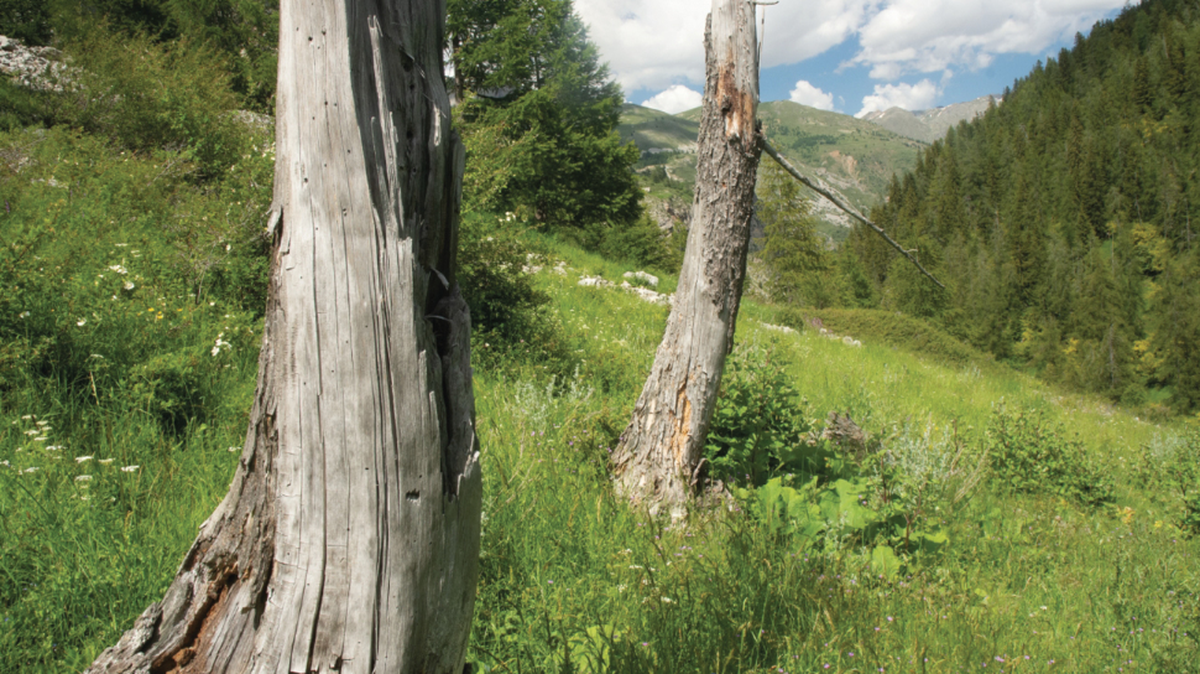
During routine inventories of the plants and animals of a national park in the French Alps, researchers saw a small, buzzing creature peek out from the wood of a dead tree.
It was a little, striped bee and had a massive appendage hanging from the front of its body.
The appendage was a proboscis, a type of mouth-like, tubular sucking nose found in insects — and belonged to a new species of bee.
Researchers found the bee in Mercantour National Park, in the southwestern region of the mountain range, and published their findings in the journal Alpine Entomology on March 20.
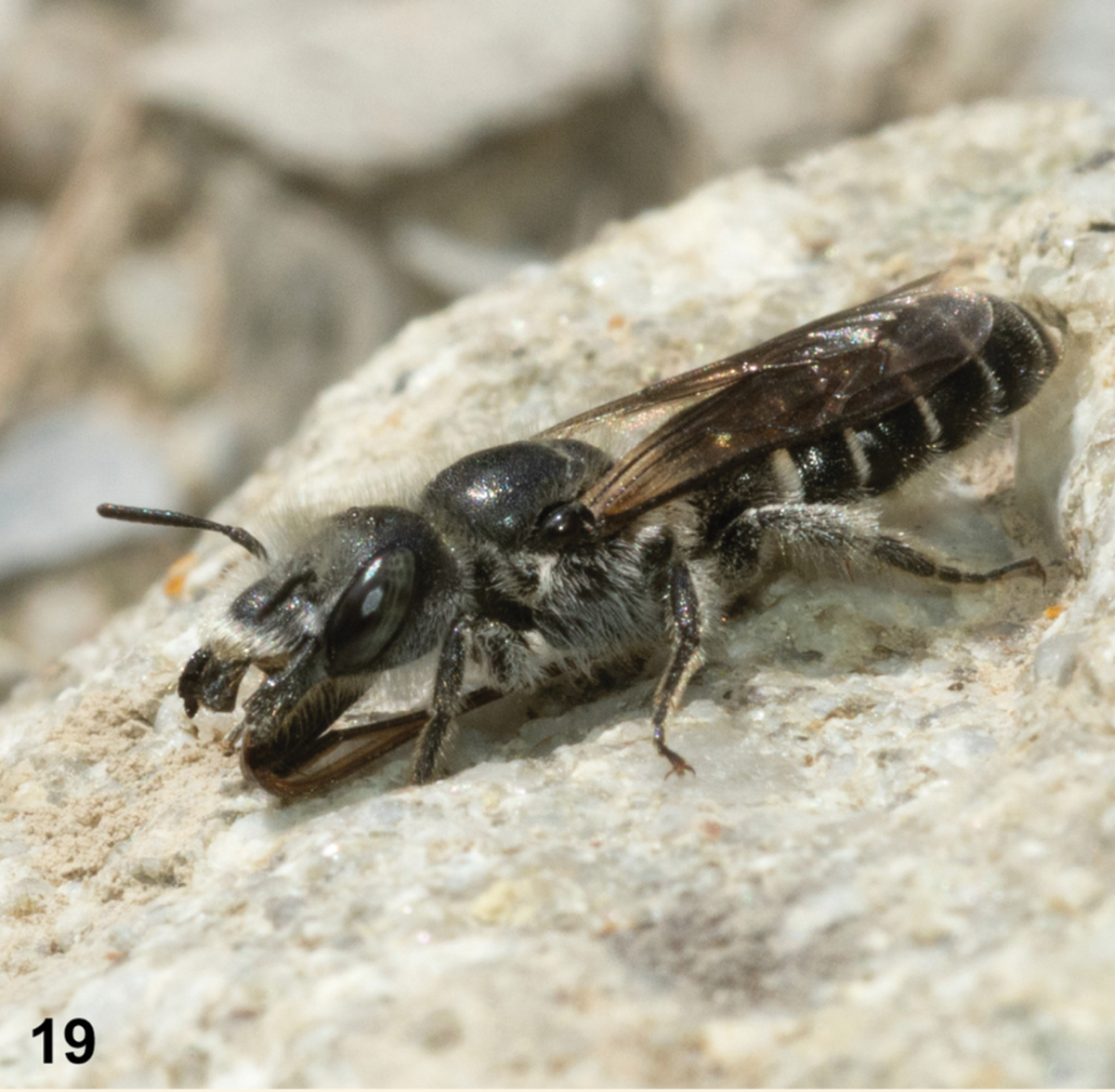
Specimens of the osmiine bee — part of a tribe of bees that includes leafcutter, mason and resin bees — has only been found in one other region, the study said.
More than 1,000 miles away, other specimens of the osmiine bee have been found in Turkey and Northern Iraq, making their discovery in France an “extreme rarity,” the researchers said.
A few things about the bee set it apart from others like it.
First, it has the longest proboscis in the entire family of bees it joins, according to the study.
“In most species of Hoplitis, the length of the proboscis is at most one-third as long as the body,” the researchers said.
Only four species have been found with longer proboscises, which reach about half of the body length of the bee, according to the study.
Hoplitis onosmaevae, as the new species is named, “possesses an even longer proboscis, which is approximately as long as the body,” the researchers said.
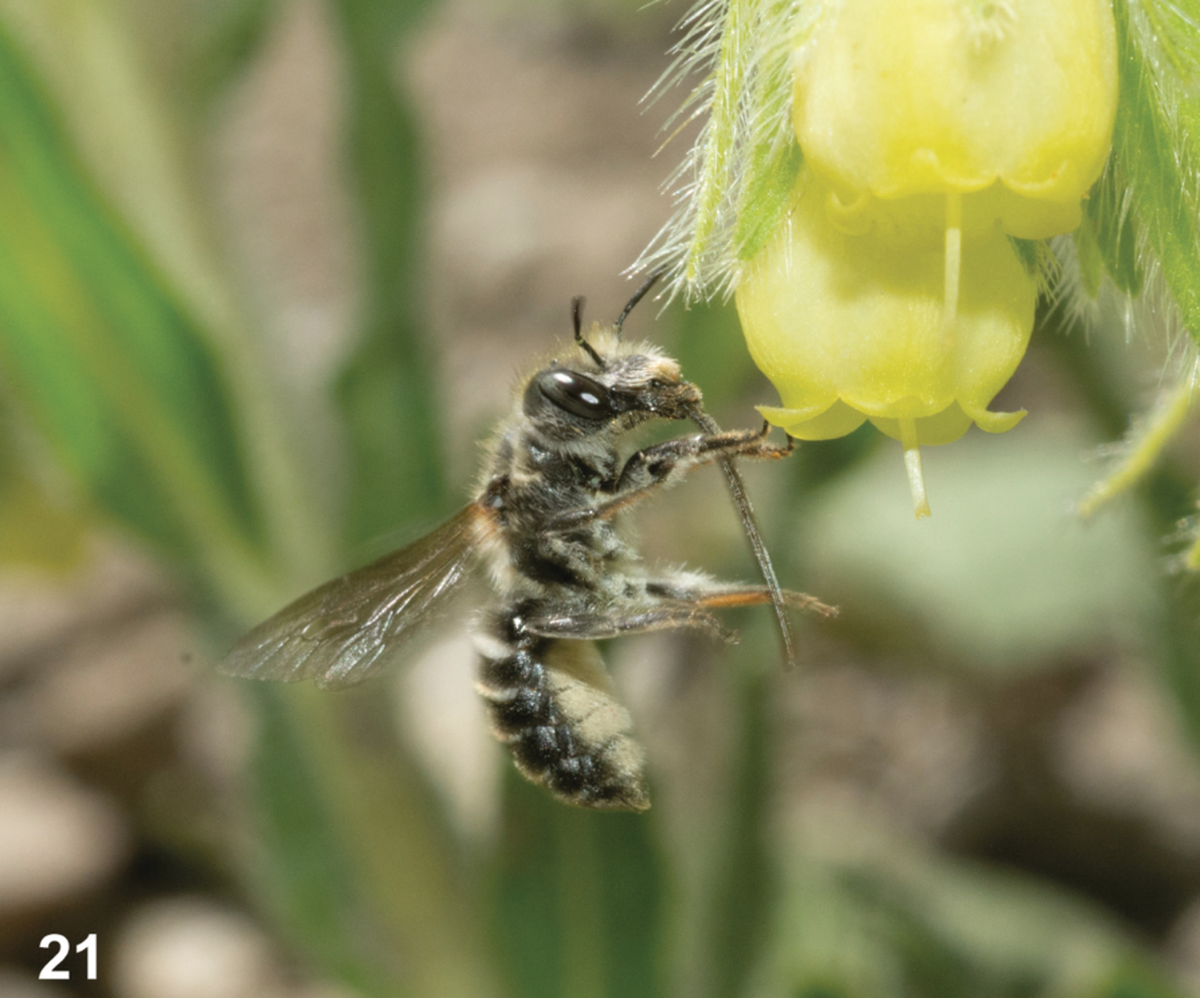
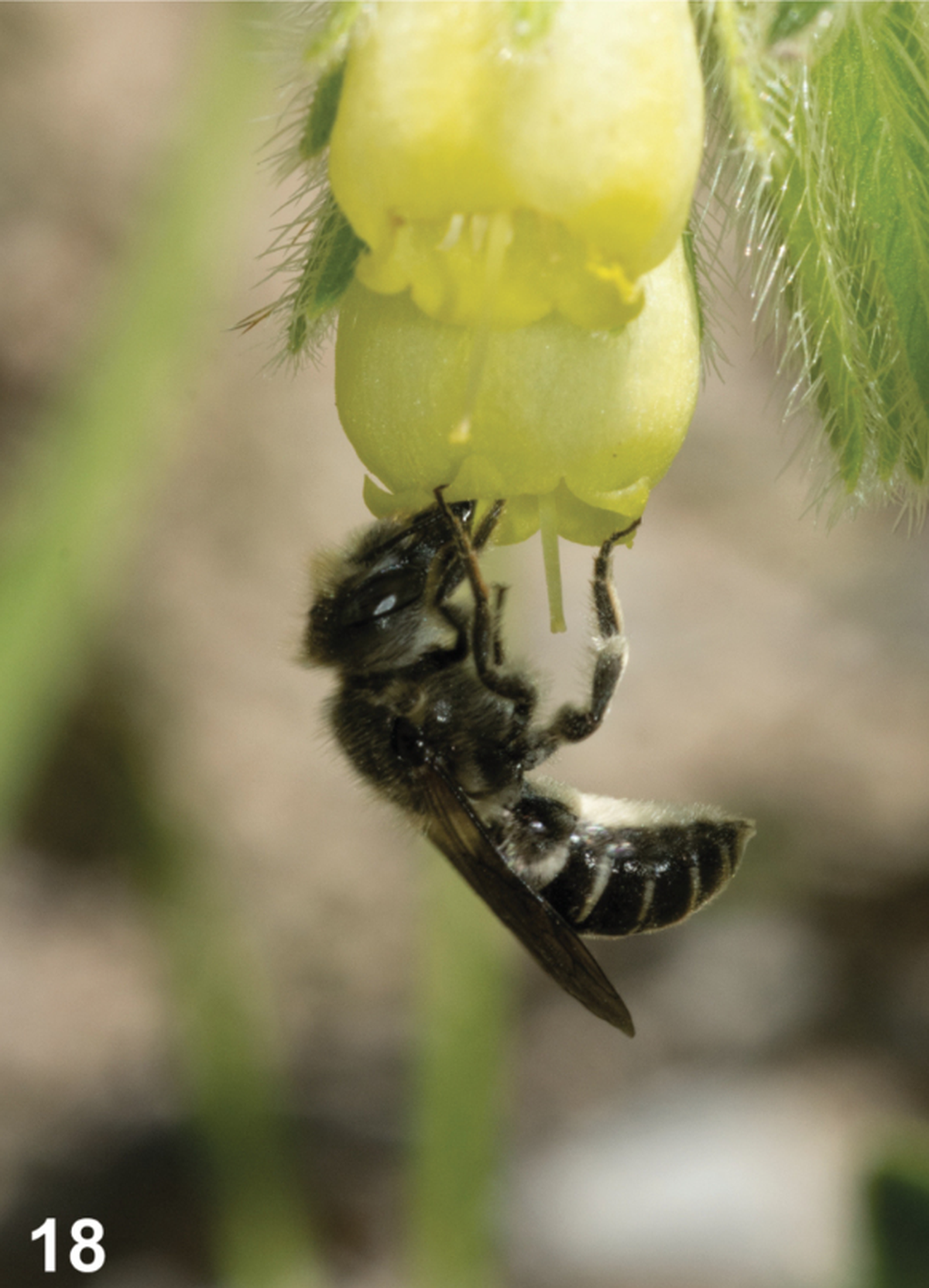
The bees use their long mouth to reach the inside the Onosma, the long flower they collect nectar and pollen from, according to the study.
“The females collect pollen by buzzing the Onosma flowers, a rare behavior in (solitary) bees,” the researchers said.
The bees also stand out from other species because of where they choose to nest.
Other bees in the Hoplitis family are known to build their nests in rock depressions or cavities, sometimes using sand and small pebbles as nesting material, according to the study.
“Interestingly, (the new species) … was found to build its nests also in insect burrows in dead wood, suggesting that nesting in existing cavities in wood or stems has probably evolved only once in the subgenus Hoplitis,” the researchers said.
The range of the bee is very small, the researchers said, making it important to understand them better for their protection.
“The consideration of the few known populations of this species in France is very important in the conservation field,” study author Matthieu Aubert said in a March 25 news release published by Pensoft. “This study highlights the incredible diversity of wild bees and that we still have a lot to learn from our environment, even in western Europe.”
Mercantour National Park is in the south of France, about a 40-mile drive north from Nice.
This story was originally published March 27, 2024 at 2:45 PM with the headline "Fuzzy creature — with mouth as long as its body — found in French Alps. See new species."