Dozens of ruins — up to 4,000 years old — unearthed in mountains of Oman. Take a look
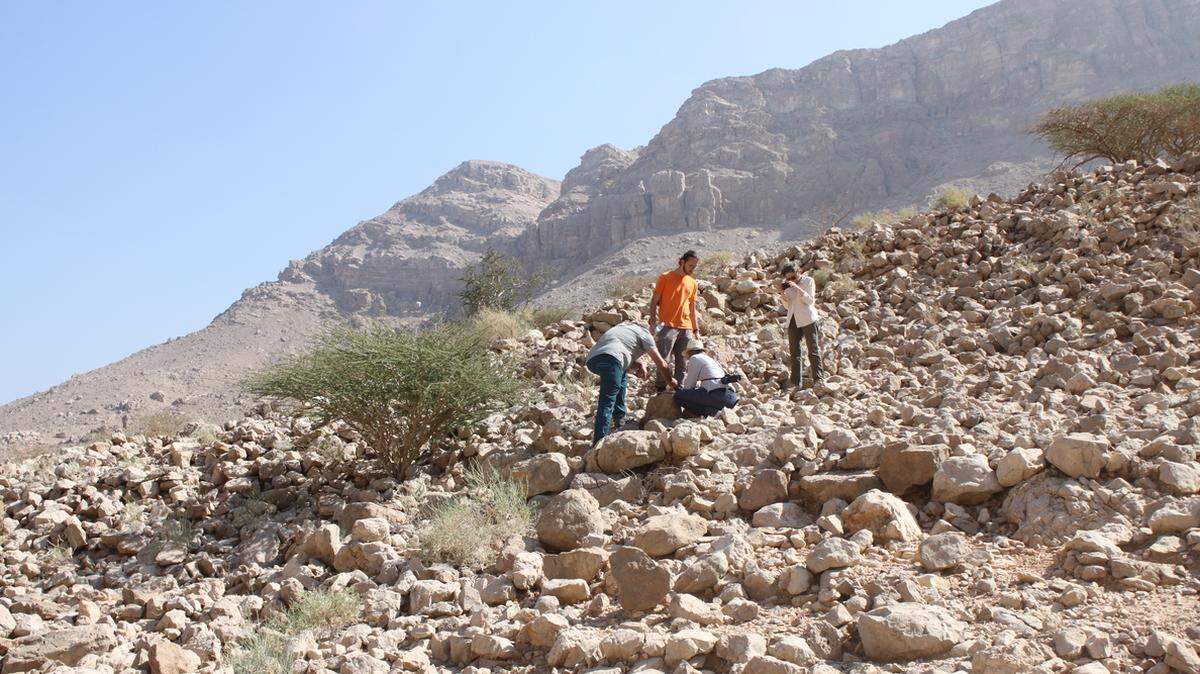
Under sunshine that could roast skin better than a barbecue, archaeologists scanned a mountain landscape in Oman. Ahead of them stretched rock after rock. Tiny rocks. Massive rocks. Brown and gray and dull red-brown rocks.
But these mountains hid a secret — dozens of secrets, actually.
Archaeologists were surveying the Qumayrah valley as part of a yearslong research project, the Polish Centre of Mediterranean Archaeology at the University of Warsaw said in a Feb. 12 news release.
Over the past year, their surveys uncovered over 50 sets of ruins across 10 ancient settlements. The ruins ranged in age from about 2,300 years old to over 4,000 years old.
The oldest ruins were stone towers and tombs from the early Bronze Age, a time sometimes referred to as the Umm an-Nar period that lasted from 2600 B.C. to 2000 B.C., archaeologists said.
A photo shows one of these ancient round towers.
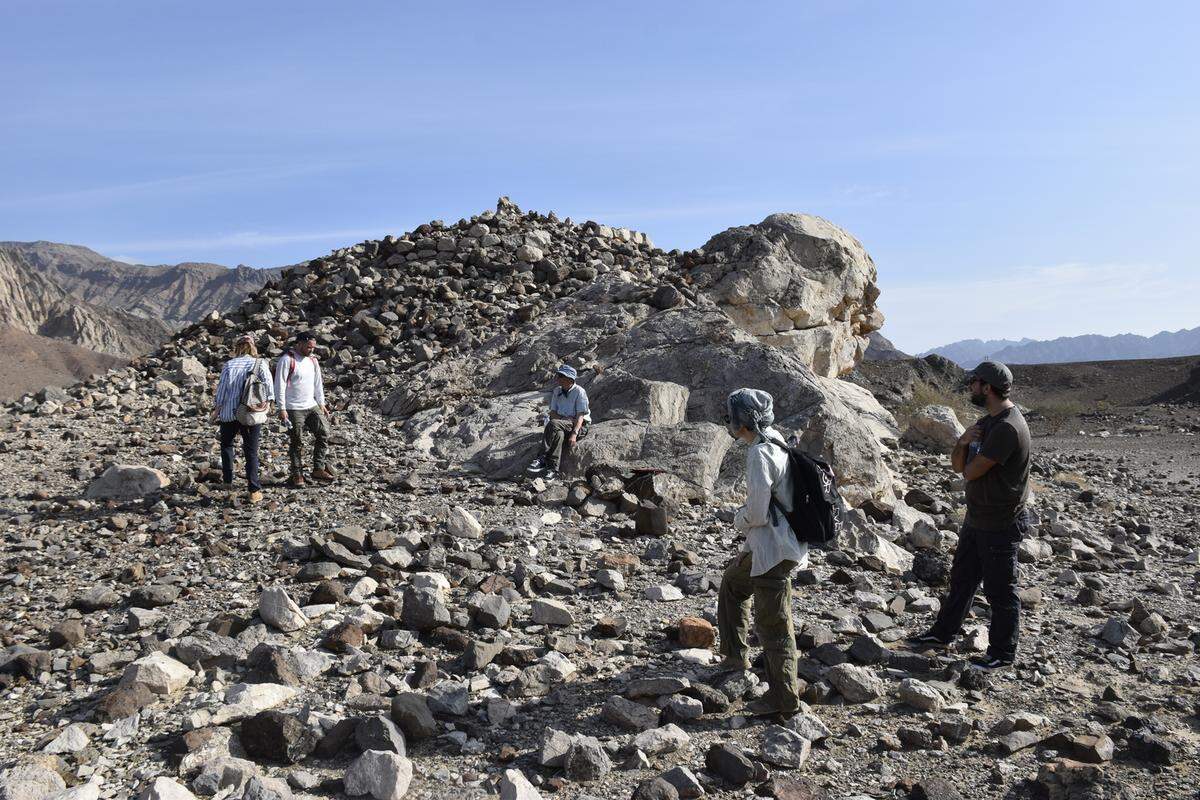
The quantity of the Bronze Age finds indicates “that even a region located in a mountainous hinterland valley could have participated in the economic and demographic boom that occurred during this period,” the excavation’s lead archaeologist Piotr Bieliński said in the release.
The “most impressive” ruins were slightly more recent, the centre said.
Archaeologists found a densely packed settlement from the Iron Age, dating between 1300 B.C. and 300 B.C.
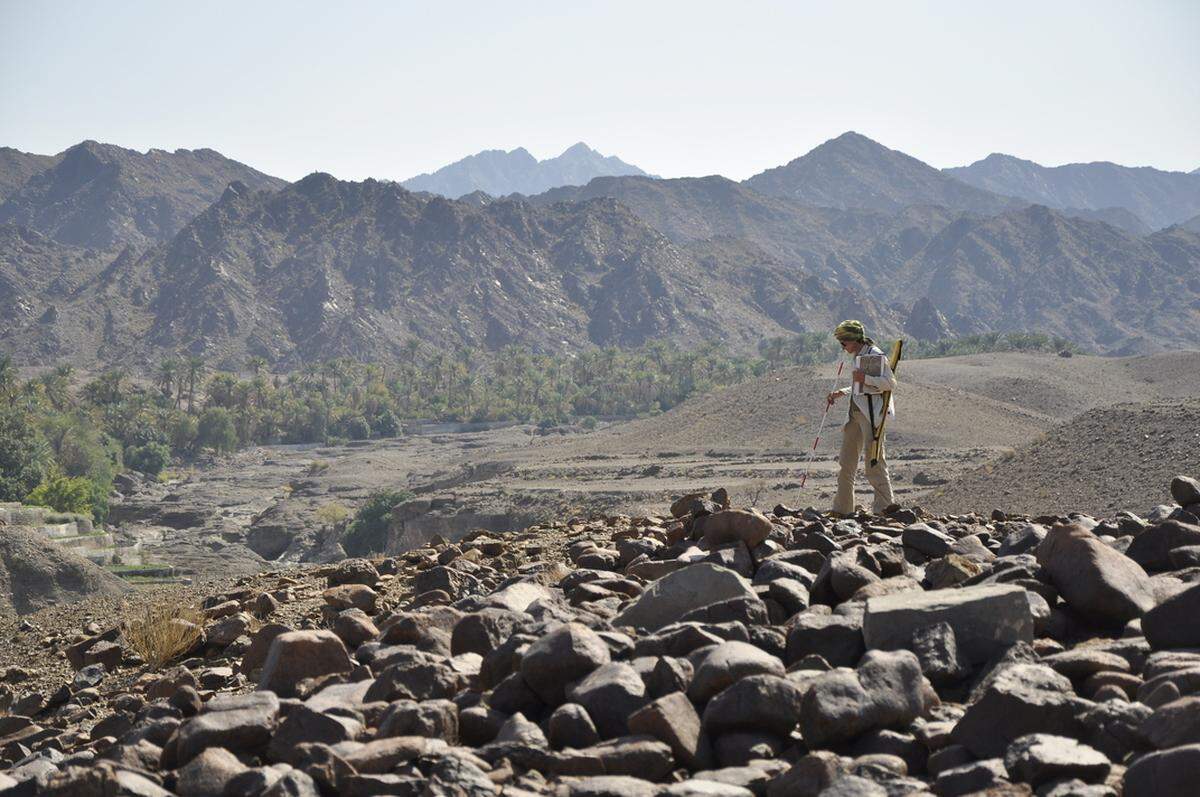
The settlement “probably (featured) an observation or defense tower” and was “located on a hill overlooking the intersection of two valleys,” Bieliński said.
Excavations unearthed a narrow street with several adjoining houses. The layout was “far removed from the rural character of the settlements one would expect in such a small mountain center,” Bieliński said.
Elsewhere, archaeologists uncovered traces of ancient copper working, the centre said.
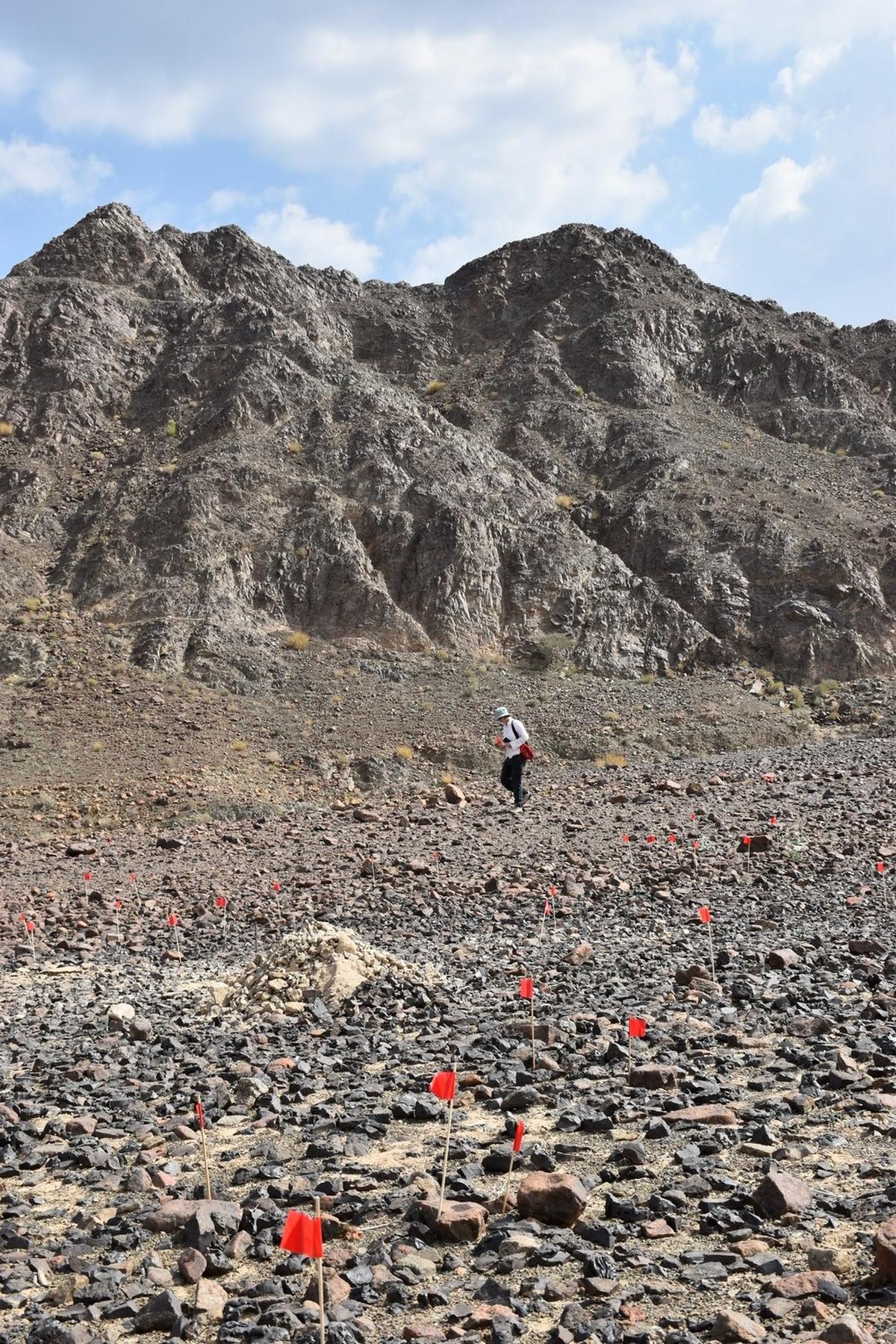
“We found dozens of stone tools used for crushing ore and numerous fragments of furnace walls used for smelting copper,” archaeologist Agnieszka Pieńkowska said. “Remains of buildings that most likely served as workshops have also been preserved.”
A photo shows a slope where copper working tools were marked by red flags.
Archaeologists don’t yet know the age of these metalworking remnants, as the analysis is ongoing.
Qumayra is about 140 miles west of Muscat, Oman’s capital city, and near the border with the United Arab Emirates.
This story was originally published February 15, 2024 at 10:25 AM with the headline "Dozens of ruins — up to 4,000 years old — unearthed in mountains of Oman. Take a look."