‘Semi-buried boulders’ near 3,000-year-old Italy village stumped experts — until now
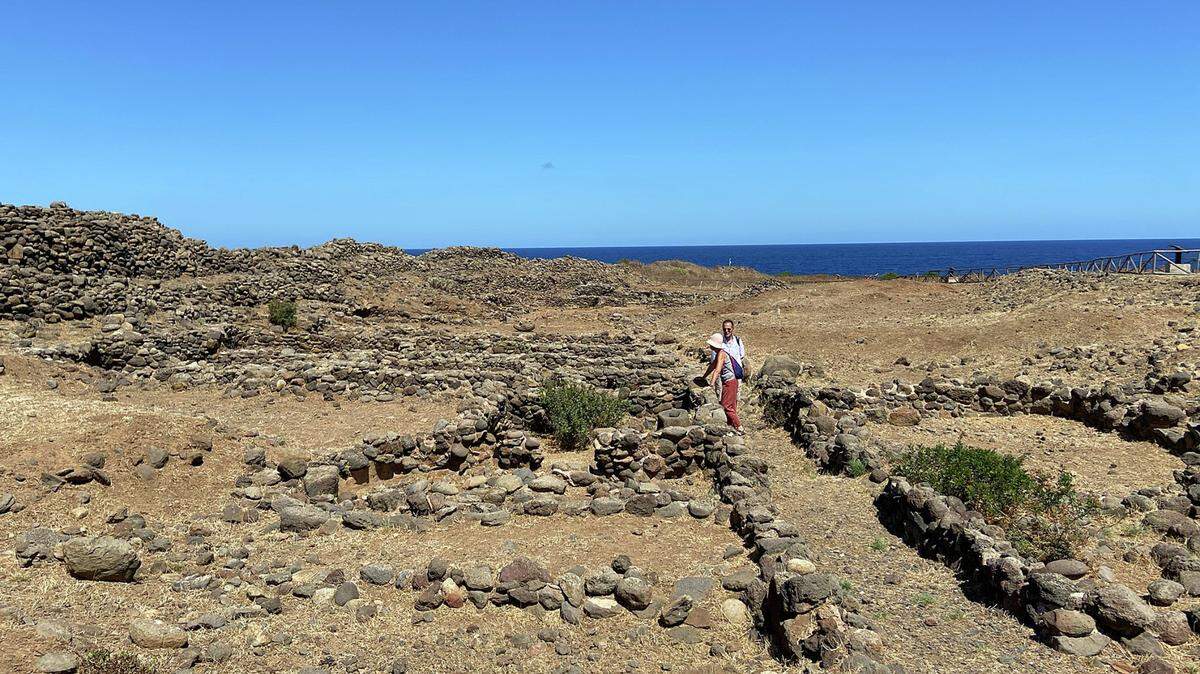
About 50 years ago, archaeologists began exploring the ancient ruins of a 3,000-year-old island village in Italy. Initial investigations included aerial photographs, which showed peculiar “semi-buried boulders” on the outskirts of the settlement.
Experts have struggled to determine why the boulders were there — until now.
A new study found that the boulders were once part of a “complex” fortification system, serving as a first layer of defense for the already enclosed village, according to a study published in the January volume of the Journal of Applied Geophysics.
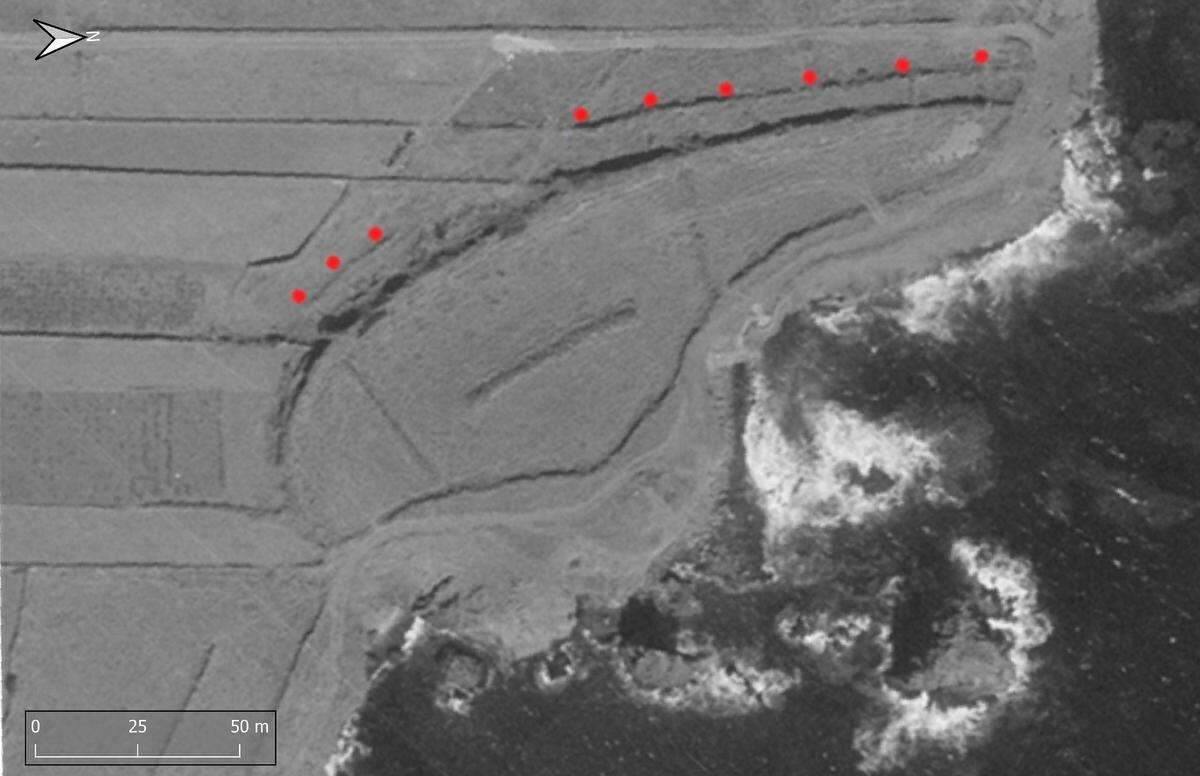
The remnants of the wall were discovered outside the village of Faraglioni, which was established on the volcanic island of Ustica around 1400 B.C., archaeologists said. The village was mysteriously abandoned around 1200 B.C.
Experts consider the site one of the best-preserved Mediterranean settlements of the Bronze Age, according to a Jan. 5 release from the Austria Press Agency. The village had a sophisticated urban layout, with dozens of huts lining narrow streets.
The village was positioned on the edge of a cliff, so one side was naturally protected by the cliffside and ocean. The inland edge of the village was guarded by a “massive fortified wall” that is still standing, archaeologists said.
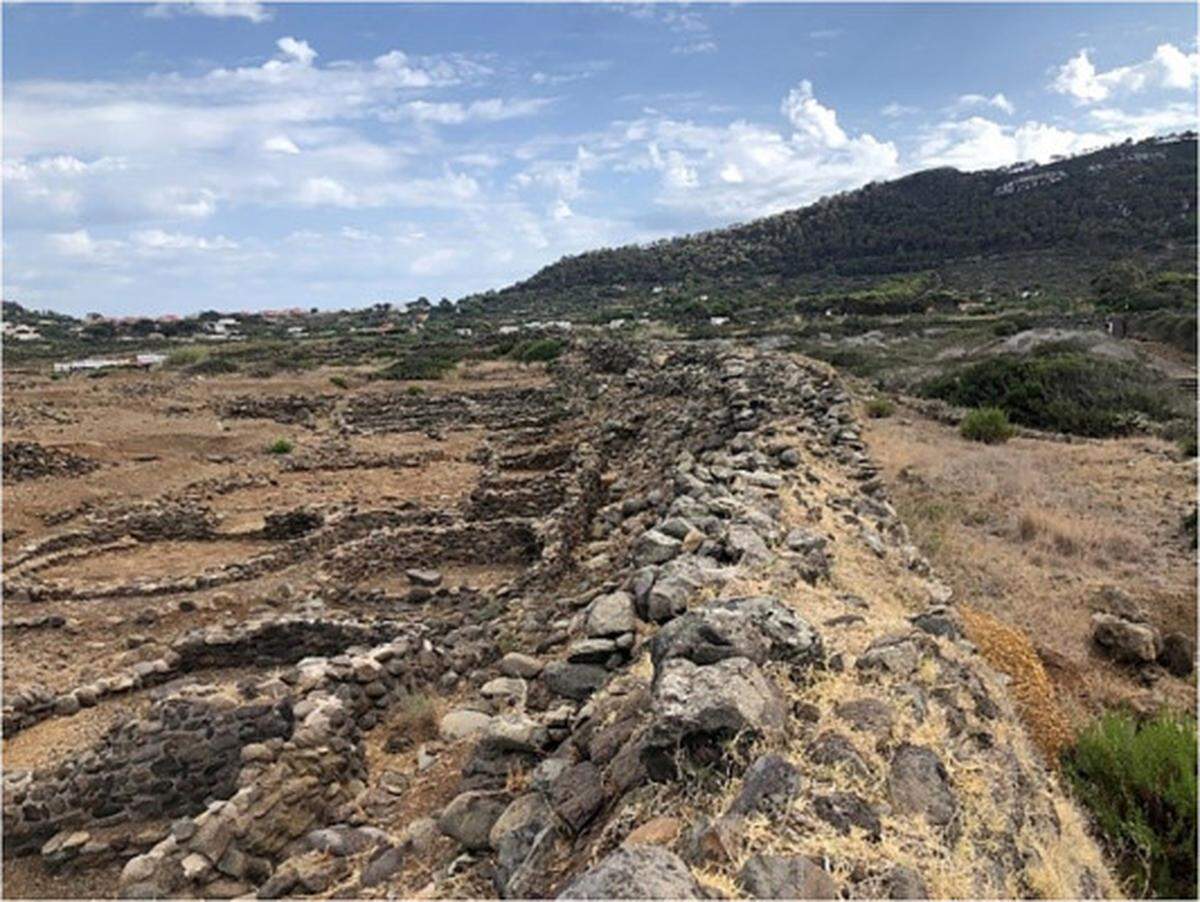
Researchers said the “mighty curved” wall is about 820 feet long and 13 feet tall. It resembles a “fish hook” and connects to the huts through a passage.
The peculiar boulders were found about 20 feet from the standing inner wall, “discontinuously” following the same structure and shape of the inner wall, the study said. Archaeologists also discovered the remains of a tower between the standing wall and the boulders that appears to be connected to both structures.
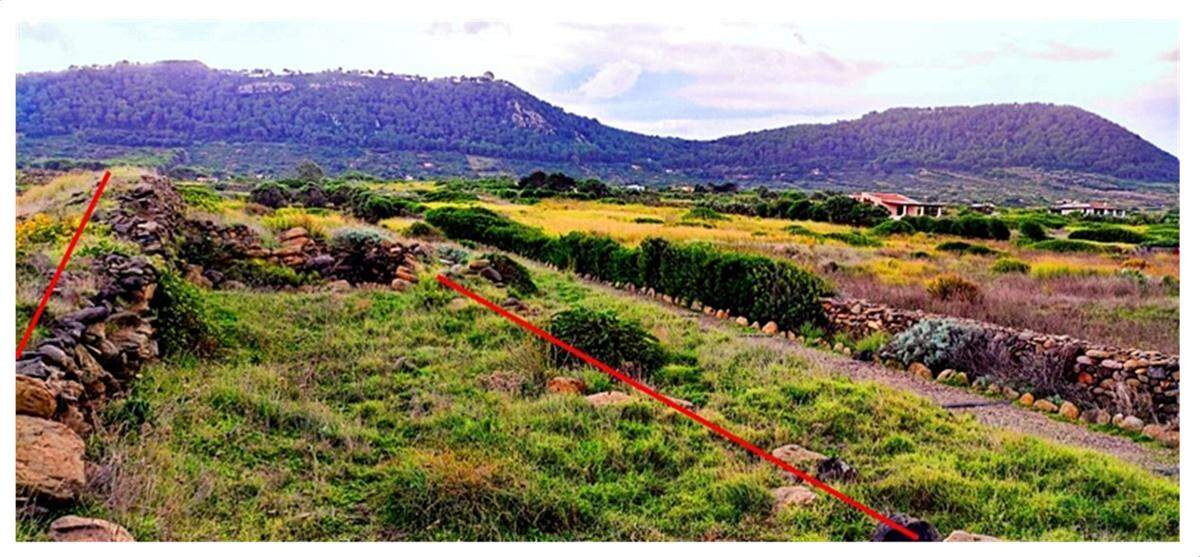
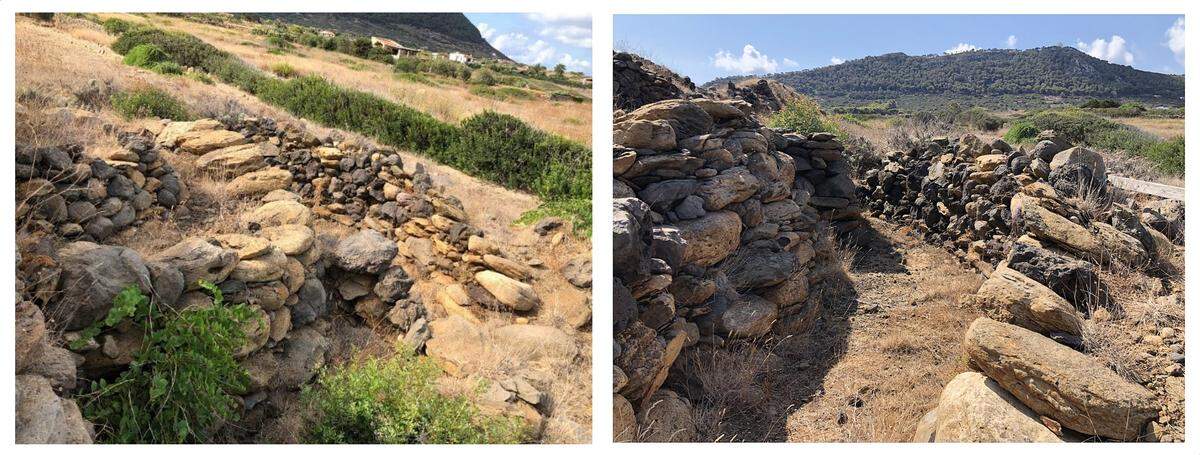
Using photographs and various survey methods, it was determined that the boulders were actually remnants of an exterior wall that likely served as a first defense for the huge Bronze Age settlement, according to experts.
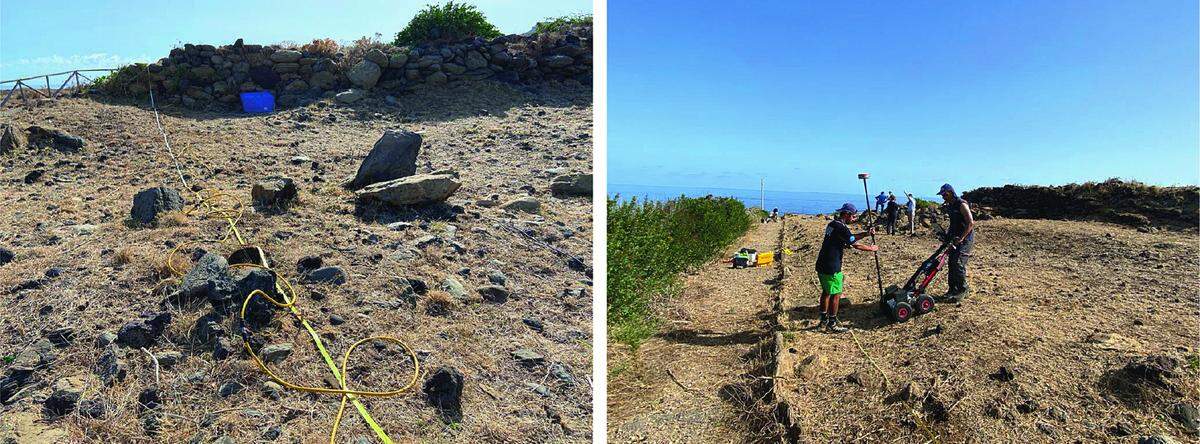
“The defensive system of the Faraglioni Middle Bronze Age village at Ustica consisted of two main elements: a large peripheral outwork, and an internal wall reinforced by buttresses, both having an arched design and mutually distant (19 to 22 feet),” archaeologists said. “Their construction was aimed at isolating the marine terrace and the village from the Tramontana plain.”
Archaeologists said the defense system’s purpose was likely two-fold: It defended the village while also establishing the settlement’s borders and creating a social structure.
Ustica is an island north of Sicily, which is in southern Italy.
Google Translate was used to translate a release from the Austria Press Agency.
This story was originally published January 5, 2024 at 1:58 PM with the headline "‘Semi-buried boulders’ near 3,000-year-old Italy village stumped experts — until now."