90-foot-long kiln — used to make iconic pottery 400 years ago — found in China. See it
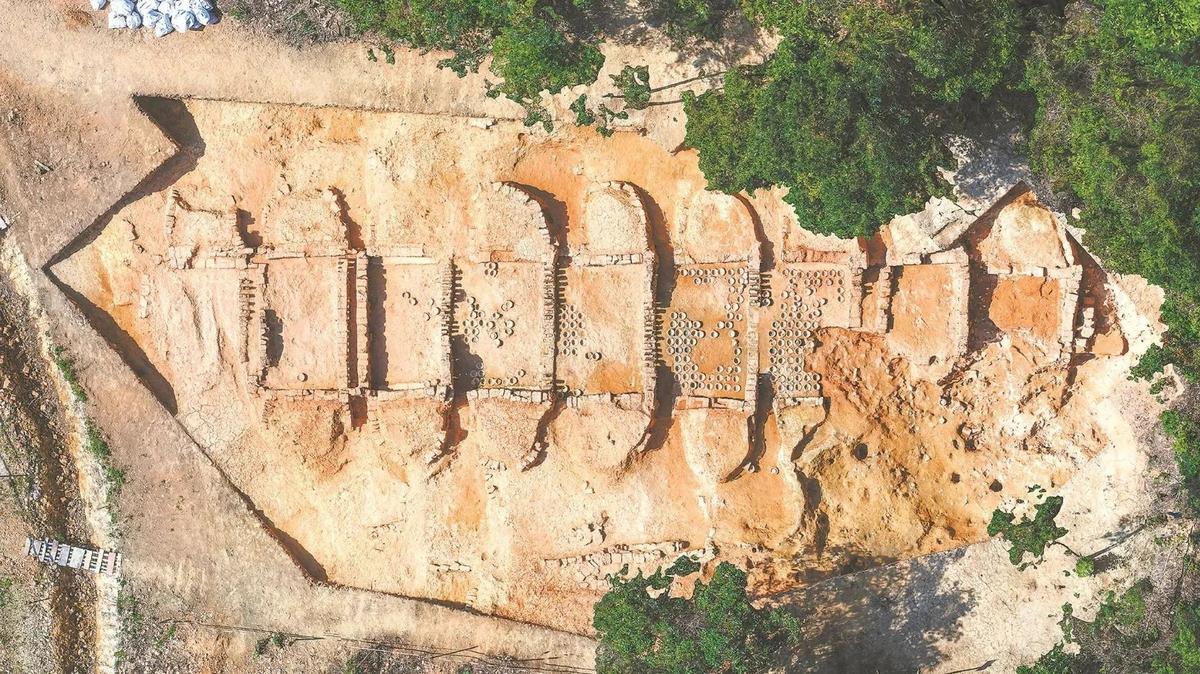
Tucked in the mountains of southeastern China sit the ruins of a large-scale manufacturing site. The centuries-old furnaces that once made iconic pottery now lie crumbling and abandoned.
The ruins of the Baima kiln site were first uncovered in the 1950s, according to a Dec. 4 news release from the Institute of Archaeology at the Chinese Academy of Social Sciences via the China Archaeology Network. Archaeologists occasionally explored the site over the last 70 years and began a systematic excavation in 2020.
The systematic excavation found 21 pottery kilns primarily used for making imitation Longquan celadon, an iconic style of Chinese porcelain, the release said. The kilns, workshops and other production buildings spanned about 10 square miles.
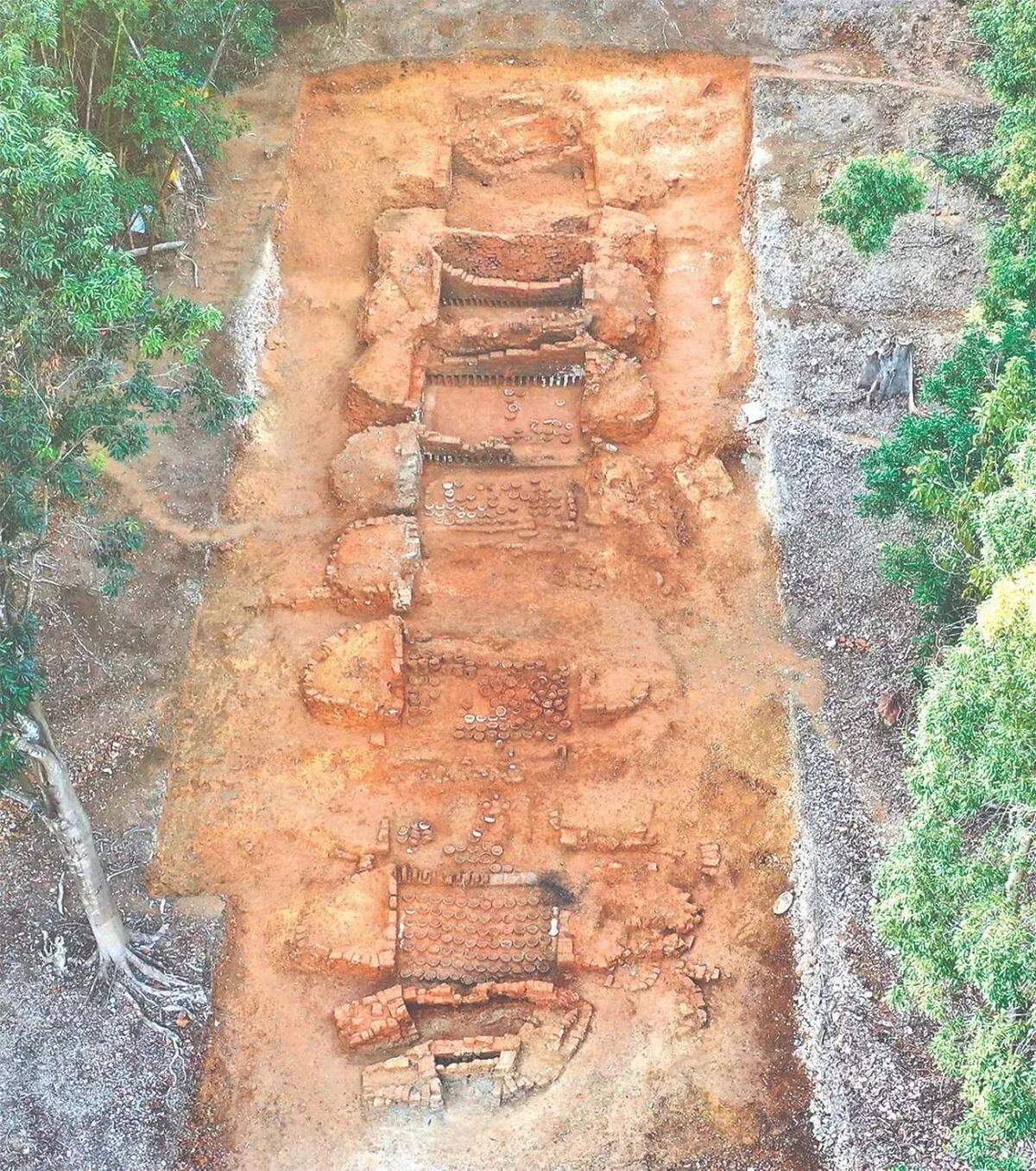
Archaeologists said the Baima kiln site functioned throughout the Ming dynasty, a period from 1368 to 1644, according to Britannica.
Several of the 400-year-old kilns were identified as semi-inverted flame dragon kilns, the release said. This is a unique type of furnace with multiple chambers built in a long, skinny line up a slope. Photos show the ruins of these kilns.
Even ruined, the kilns are massive. Two of these semi-inverted flame dragon kilns measured about 90 feet long, archaeologists said.
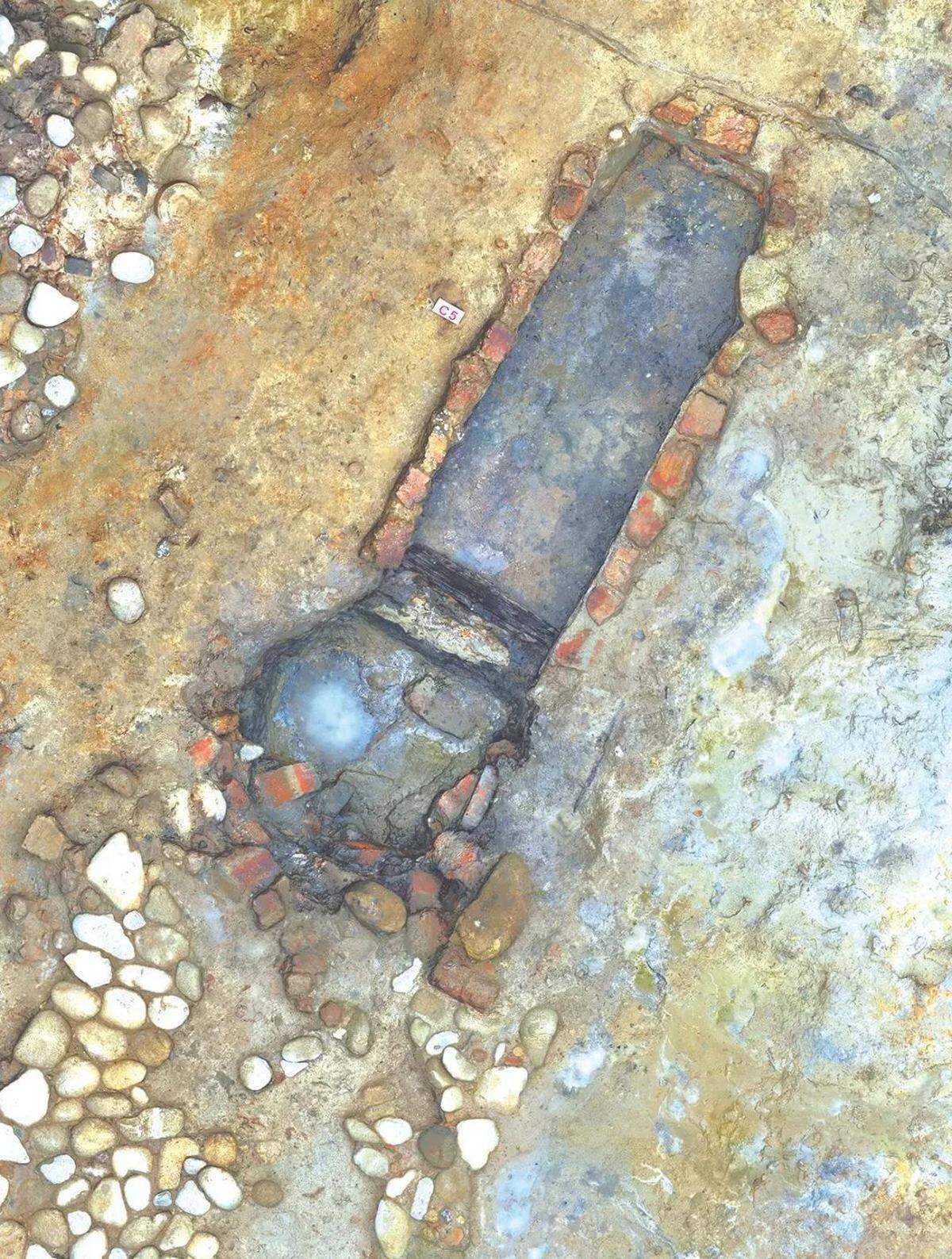
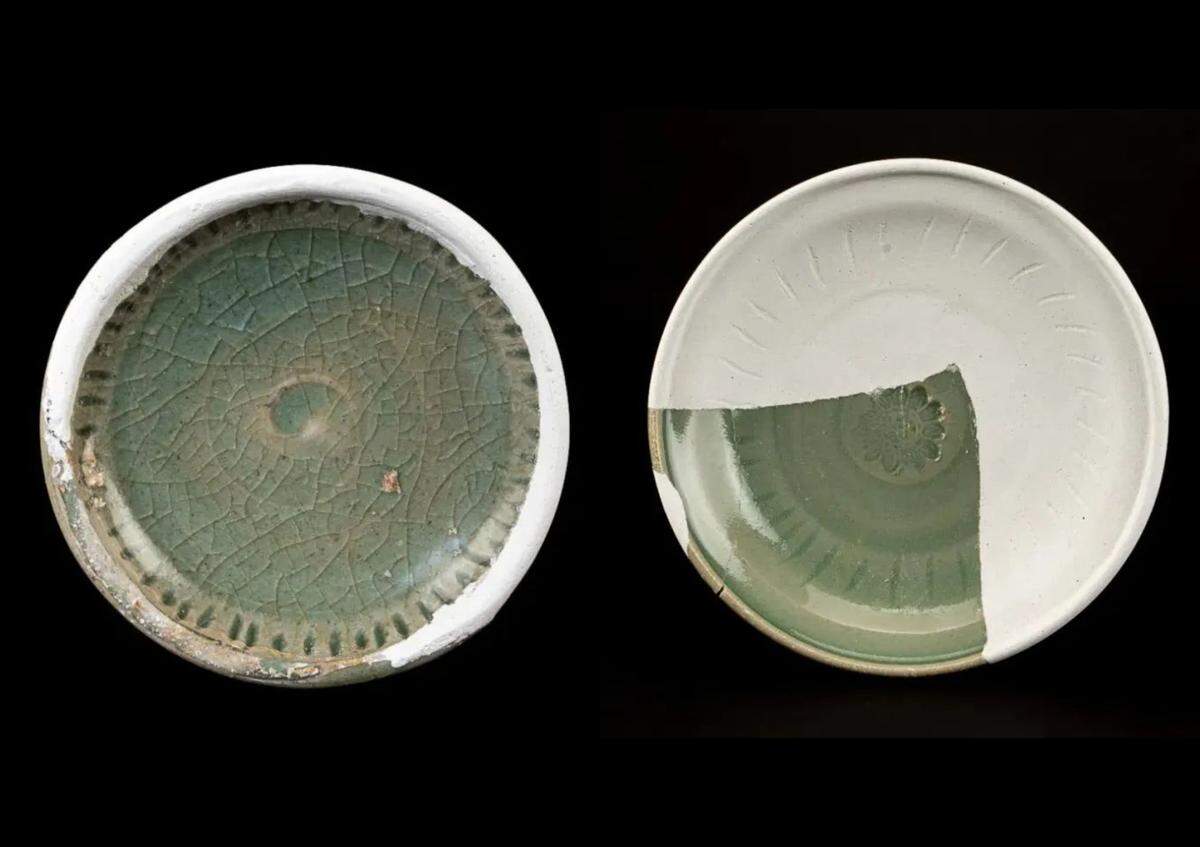
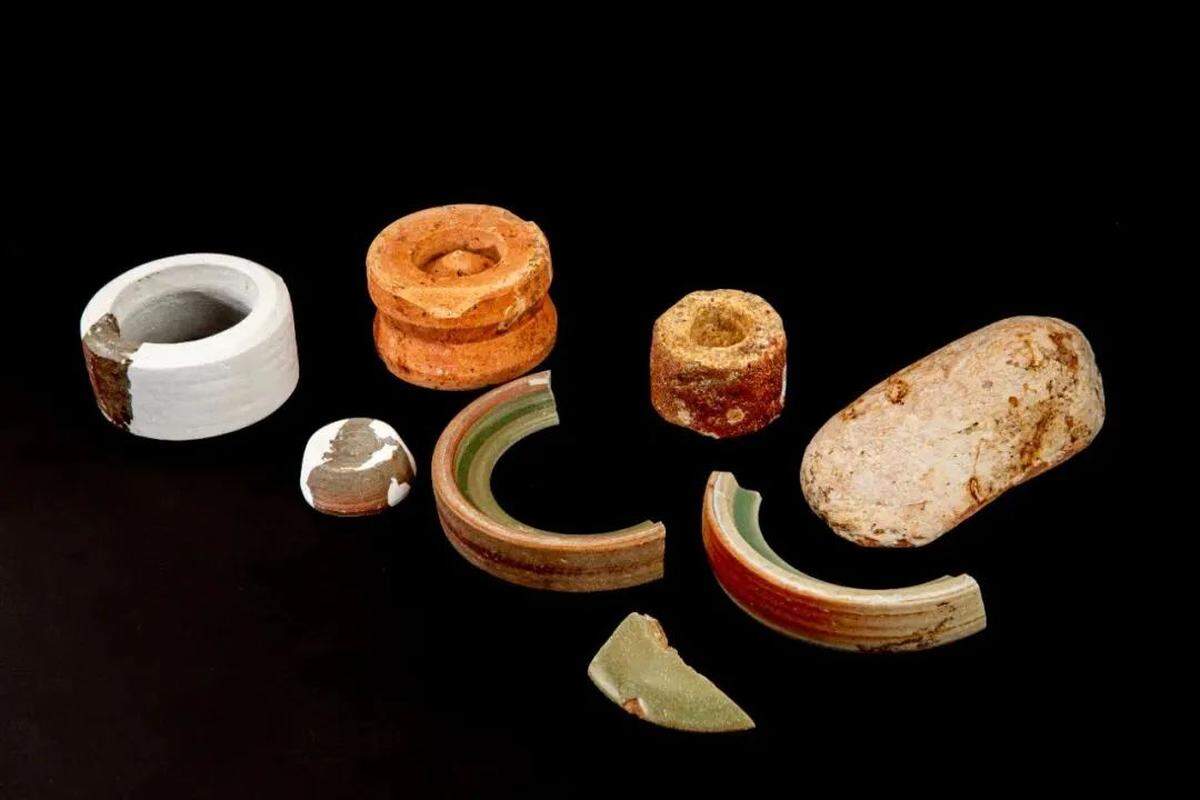
Excavations also uncovered a large number of pottery pieces produced by the workshop. Photos show some of these porcelain artifacts. Most of the artifacts have a jade green glaze with subtle designs. These pieces are imitating Longquan celadon.


Longquan celadon is a distinctive style of porcelain with a glossy jade green glaze. The delicate style originated from the Chinese city of Longquan and is still produced there today, according to UNESCO. Longquan celadon and its traditional production techniques are on the UNESCO List of Intangible Cultural Heritage of Humanity.
Other pottery fragments from the Baima kiln site have designs with Chinese characters or orange and yellow glazes, photos show.

Excavations at the Baima site are ongoing, the release said. The site is in Baipenzhuzhen, Guangdong Province, a town about 80 miles northeast of Hong Kong.
Google Translate and Baidu Translate were used to translate the news release from the Institute of Archaeology at the Chinese Academy of Social Sciences via the China Archaeology Network.
This story was originally published December 7, 2023 at 1:16 PM with the headline "90-foot-long kiln — used to make iconic pottery 400 years ago — found in China. See it."