Ancient graves of possible married couple — one full of treasure — found in castle ruins
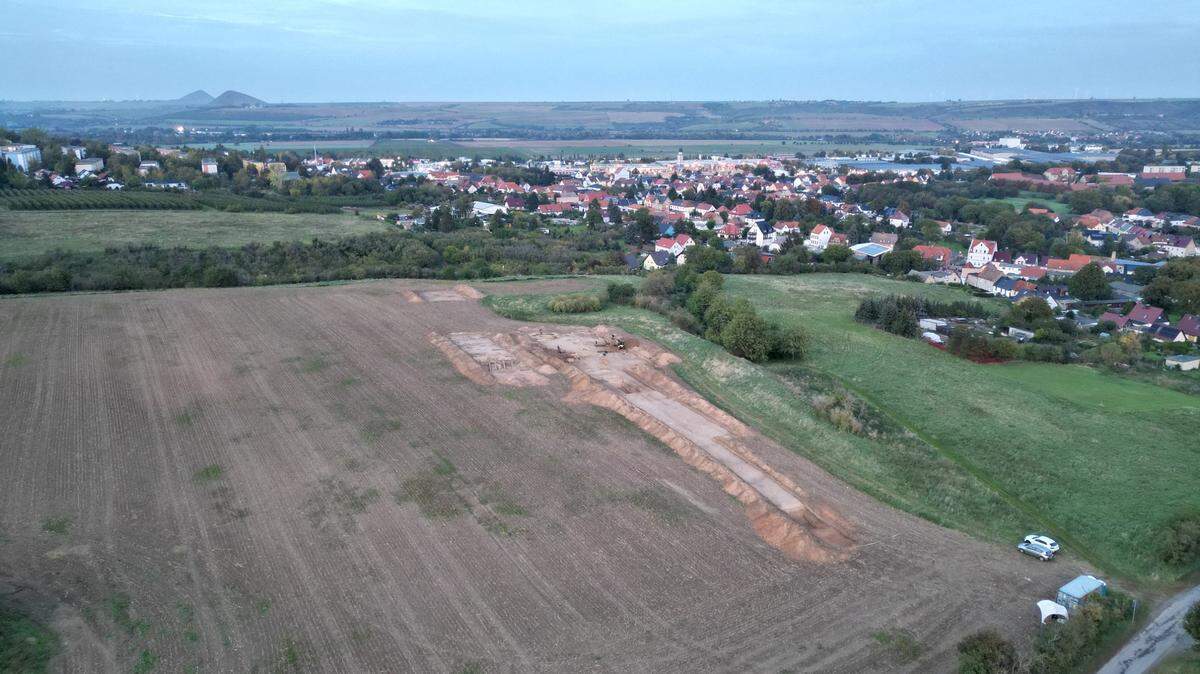
More than 1,000 years ago, a sprawling fort sat atop a hill in Germany, overlooking the village of Helfta.
Known as Helpideburg, the “very large ringfort” was established during the Carolingian period, likely sometime during the late eighth century. Between its inception and the 13th century, “the whole place was a royal and imperial residence, a military and administrative base ... a settlement and also economic centre,” Felix Biermann, an archaeologist with the State Office for Monument Preservation and Archeology of Saxony-Anhalt, told McClatchy News in an email.
Now, archaeologists are learning more about the “normal people” who kept the castle and fort running, Biermann said. And their recent discovery has given them a small glimpse into the life of a palace official.
A team of experts unearthed two graves in one of the palace’s “outer baileys” — an area outside the fortresses inner walls — belonging to a man and woman in October, according to Biermann. The graves date to the ninth century.
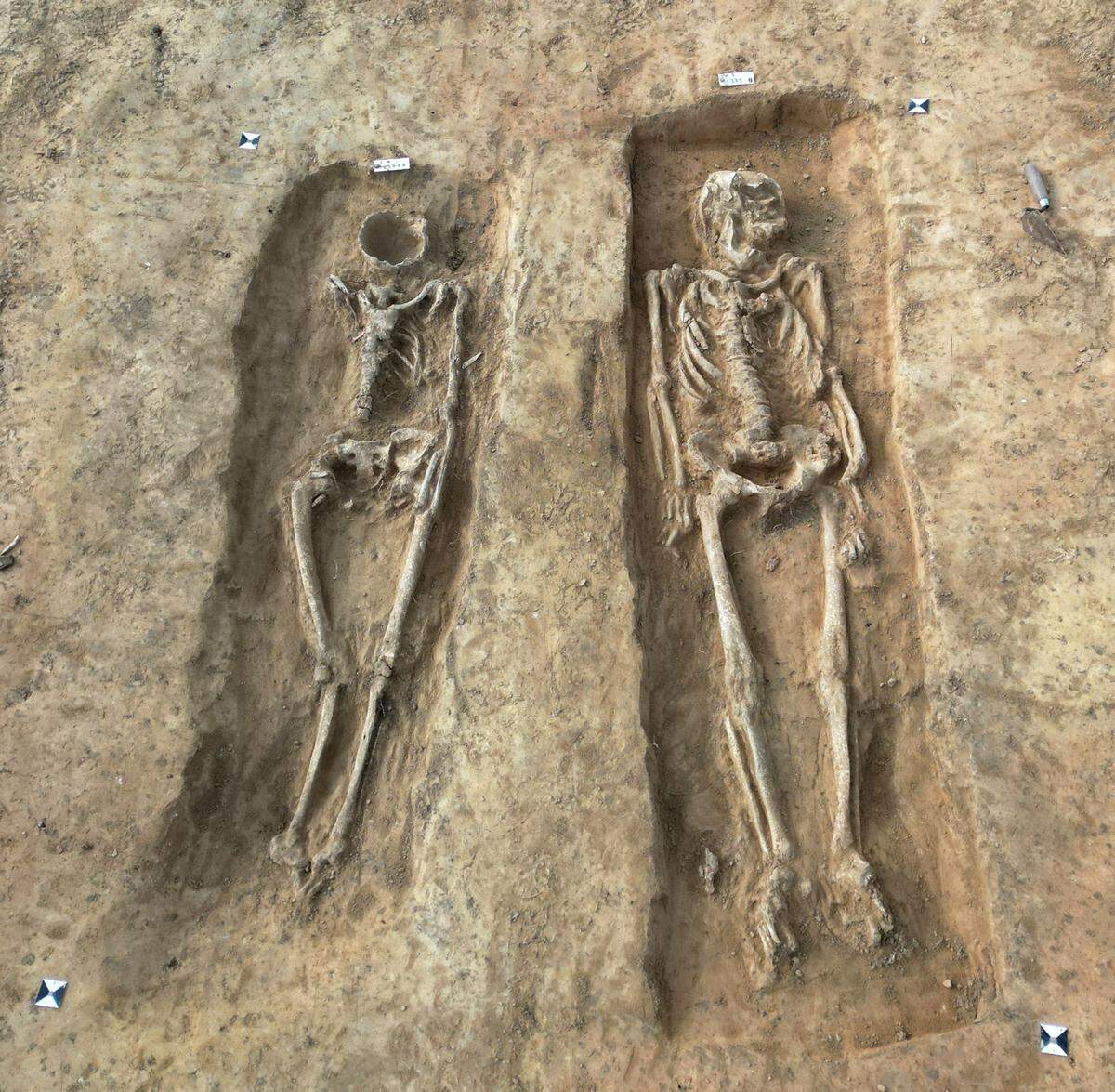
Biermann said the graves held people who “played an important role in the social and administrative organisation of the Carolingian castle.” Archaeologists do not know much about the people yet, but because they are buried “directly next to each other,” they were likely married.
While the woman was found with no grave goods, the man was buried with a trove of treasures, Biermann said. He had a knife, an iron belt set, an unidentified iron object on his upper body and the tip of a staff — including an iron sleeve and approximately 2 inch iron spike that would have been attached to a wooden staff.
Biermann said the iron pieces found in the man’s grave are considered “emblems of social dignity and elite prestige,” indicating that the man was “an official in the Frankish castle or hillfort that existed there at the time.”
The woman’s grave could have been robbed after her burial, but Biermann said she could have been “more Christian than the man.”
“The two of them lived at a time when Christianity was slowly gaining acceptance, and in this case the decision not to provide burial objects could express a turn towards Christianity, while the provision of burial objects could express a more traditional attitude,” he said.
The woman’s skull was hollowed out, but Biermann said this was caused by later damage, potentially by a plow or small animals.
Biermann said there is a larger cemetery extending past the two graves, and the team has plans to excavate the cemetery in coming years.
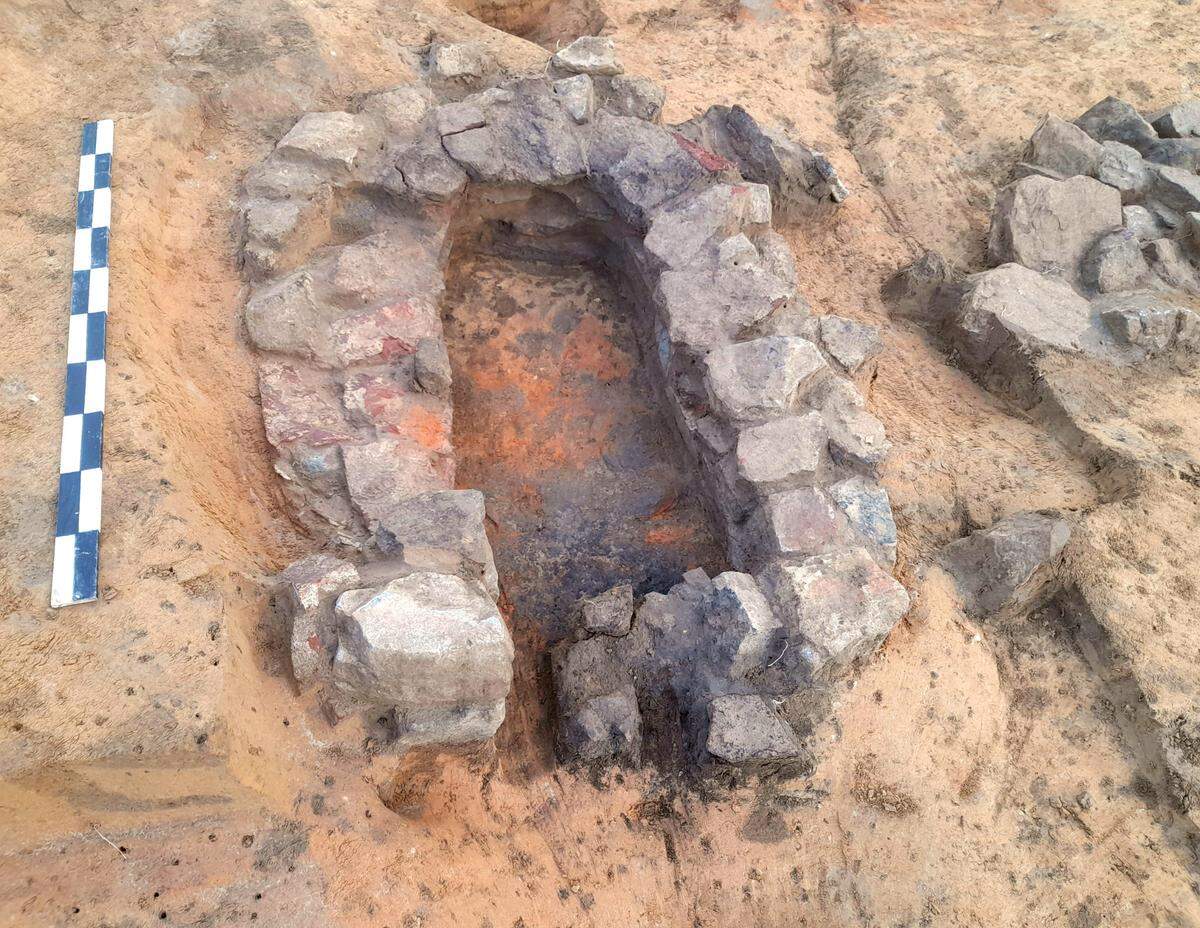
Archaeologists also discovered “numerous small pit houses with stone ovens, which had walls made of wood and clay,” Biermann said. The structures served as homes and workshops.
’A historically important site’
Helpideburg eventually became known as Pfalz Helpide or Helfta, and it served as a palace for traveling rulers — including the Roman-German emperors Otto the Great and Otto II — in the 10th century.
Otto the Great, who served as both German king and Holy Roman emperor, founded a church at the castle before 968 A.D., according to Biermann. Named St. Radegundis, the church included a cemetery with nearly 300 graves buried between the 10th and 13th centuries.
Archaeologists have excavated both the church and palace, which were “well preserved” stone buildings, Biermann said.
Helfta is about 125 miles southwest of Berlin.
This story was originally published December 5, 2023 at 1:53 PM with the headline "Ancient graves of possible married couple — one full of treasure — found in castle ruins."