Winged creature — with ‘spoon-shaped’ genitalia — eluded experts for years. Until now

In 2014, researcher Toni Mayr acquired an extensive collection of moths and butterflies. While inspecting the specimens included in the collection he noticed something peculiar — a geometrid moth from Croatia that was different from any other species.
The following year, another expert identified a specimen in a separate collection that had been discovered in 1982. Experts were unable to identify the “enigmatic” species. That is until now, researchers said in a new study published Nov. 1 in the journal ZooKeys.
Now, the team of scientists has determined that the moths belong to a new genus and species: Mirlatia arcuata, the study said.
.jpeg "oo_92949_fitted (1).jpeg")
Researchers said they examined both male and female specimens of the moth, and they found differences in the species’ genitalia that distinguish it from other moths.
Males have a “broadly dilated” and “spoon shaped” uncus — which is the organ used to hold females during mating, according to Pacific Northwest Moths — that is covered in sparse, long hairs, according to the study. Females have broad and rounded genitals.
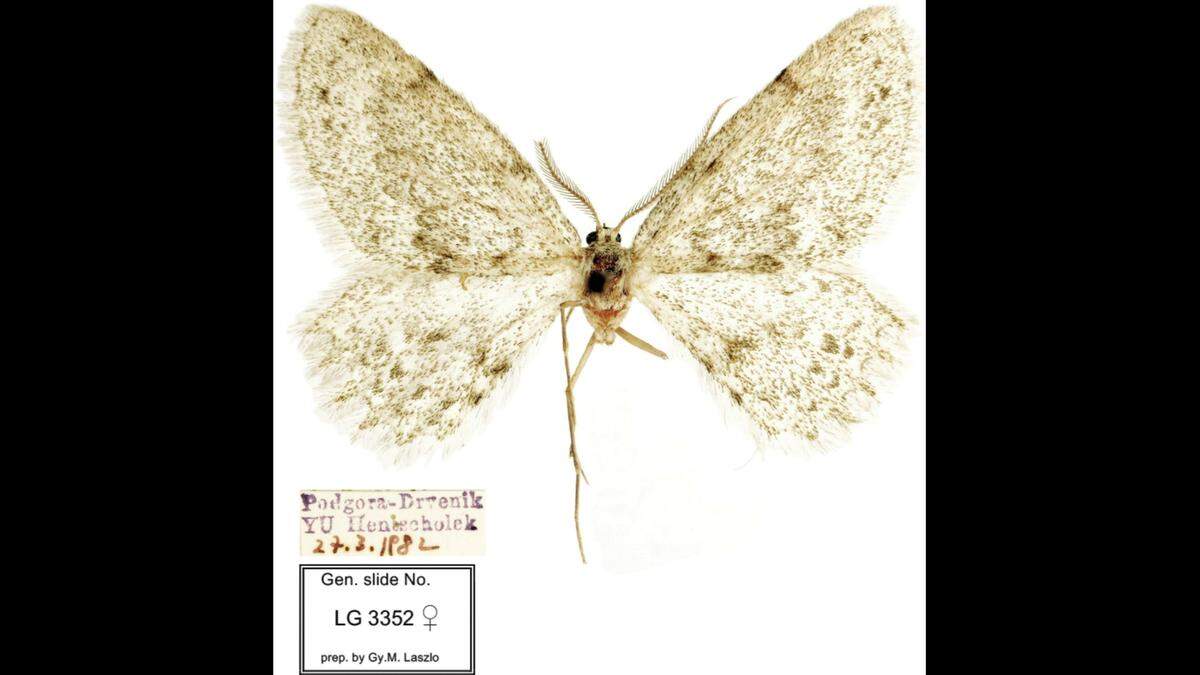
Both males and females are brown and white, and they have long antenna, scientists said. Females have unique antenna that look like the teeth of a comb.
The male specimen had a wingspan of approximately 1 inch while the female’s wingspan was about 1.1 inches, the study said. The species’ name is a combination of the Latin words for surprise and to bring in recognition of the “surprising discovery of this curious new geometrid moth.”
Scientists said the new species was collected from Drvenik, Croatia, near the Mediterranean shore. The moths were found among steep limestone rocks, indicating that they might camouflage with their surroundings.
Drvenik is about 80 miles northwest of Dubrovnik.
This story was originally published November 3, 2023 at 12:20 PM with the headline "Winged creature — with ‘spoon-shaped’ genitalia — eluded experts for years. Until now."